](https://aipadaturnstile.com/wp-content/uploads/2026/03/What-are-the-Best-Turnstile-Types-for-High-security-Construction-Sites.jpg "What are the Best Turnstile Types for High-security Construction Sites")

Construction sites require robust security to prevent unauthorized access and theft. Managing personnel entry and exit efficiently is also critical for daily operations. How can sites best achieve both?
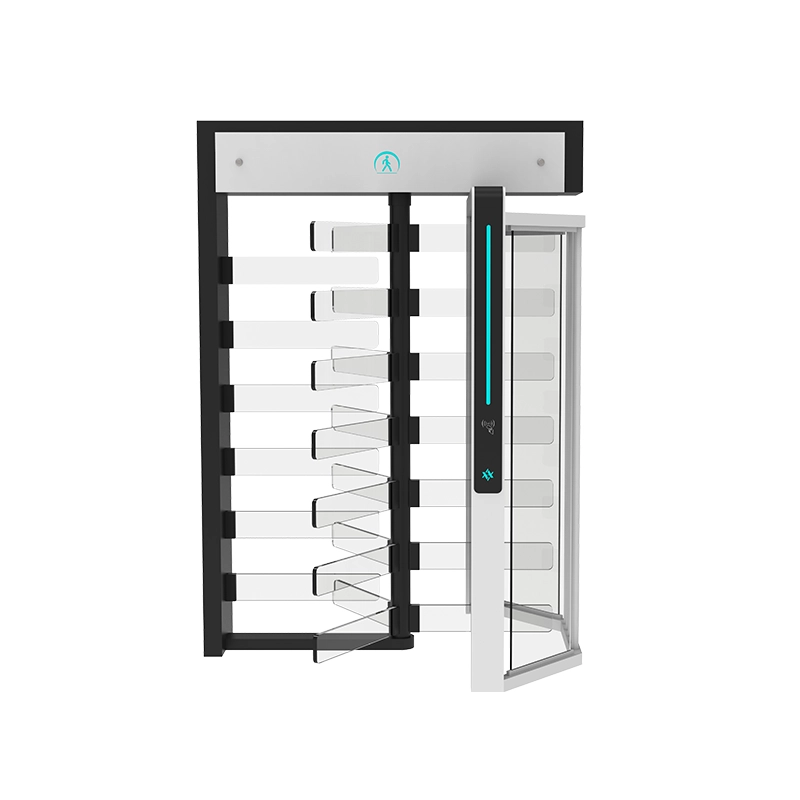
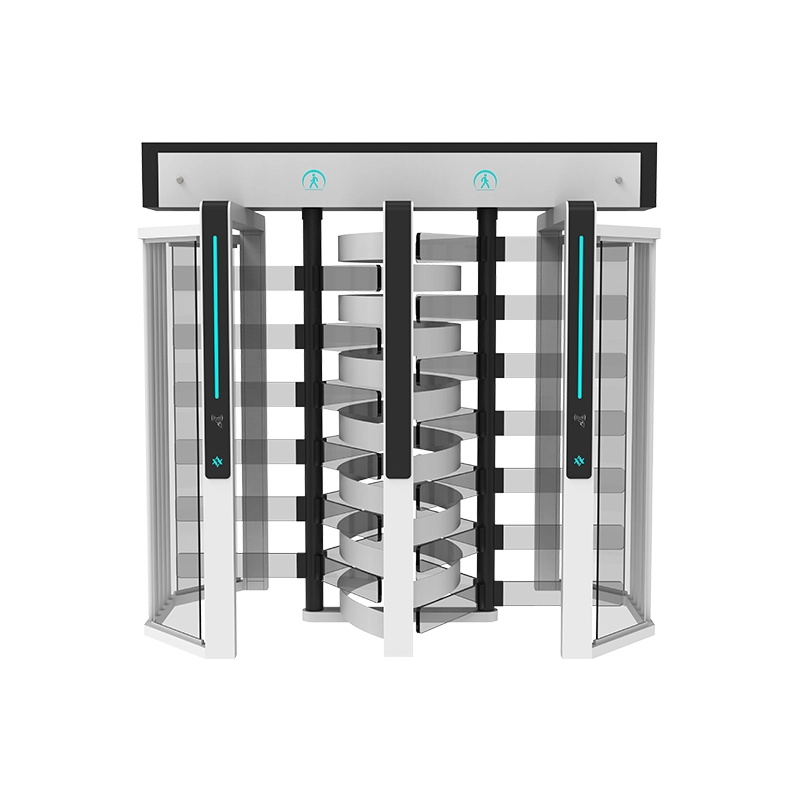
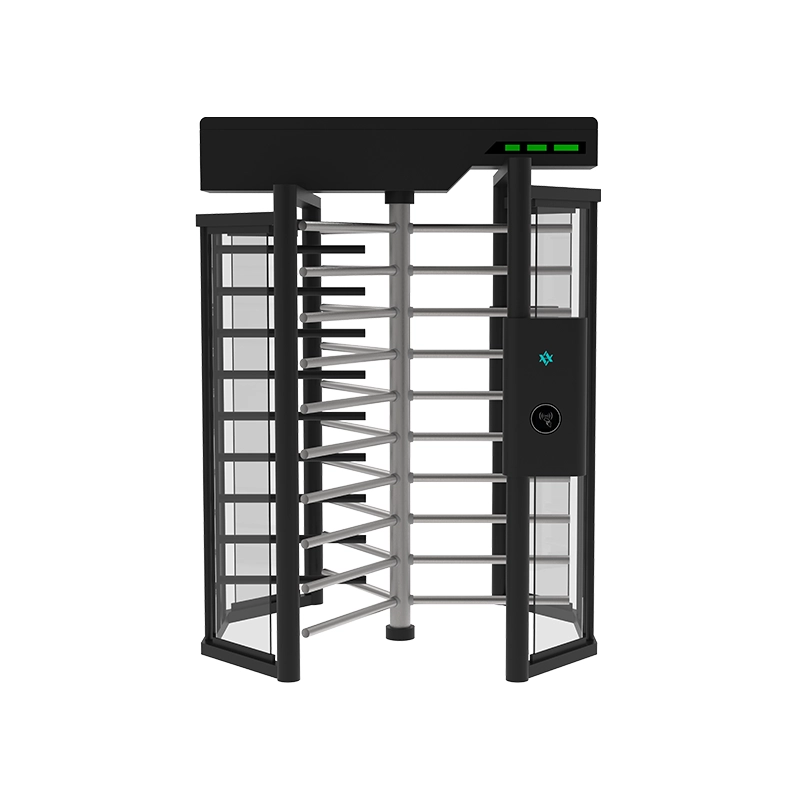
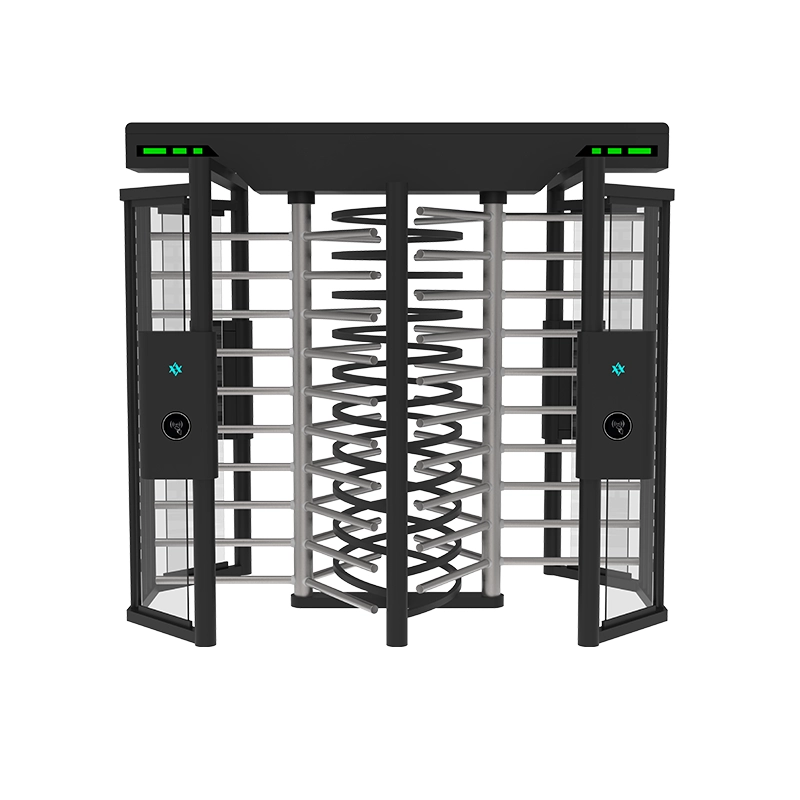
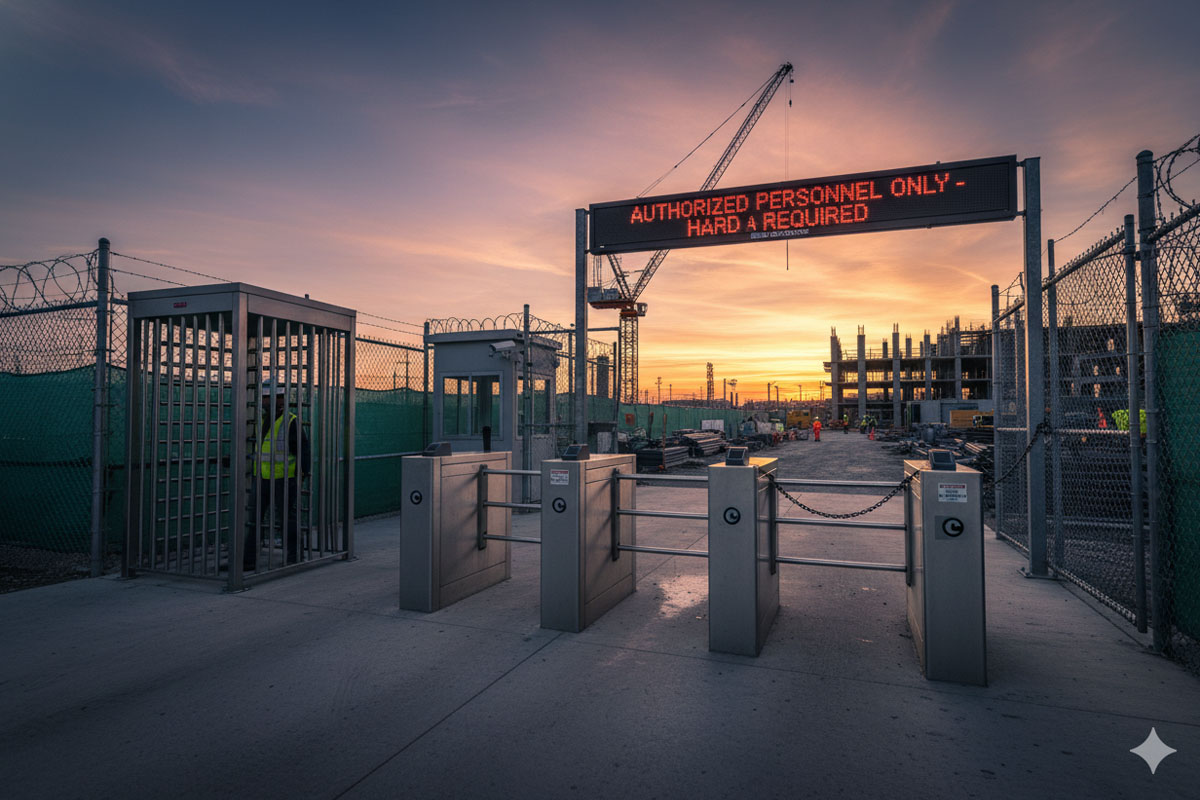
The best turnstile types for high-security construction sites are full-height turnstiles and tripod turnstiles. Full-height models offer the highest physical barrier, while tripod turnstiles provide effective controlled access. Both types help secure perimeters, regulate worker flow, and deter unauthorized individuals from entering construction zones.
Selecting the appropriate turnstile for a construction site involves evaluating specific security needs and operational requirements. This choice directly impacts site safety, asset protection, and personnel management.
What is the best type of gate for security?
Securing a construction site perimeter is a primary concern. Preventing unauthorized entry is essential to protect equipment and ensure worker safety. What gate type offers the highest level of security for such environments?
The most effective gate type for high-security environments, such as construction sites, is the full-height turnstile. Its design creates a complete physical barrier from ground to top, which makes climbing over or crawling under it extremely difficult. This effectively prevents unauthorized individuals from gaining access.
Full-height turnstiles are built for demanding conditions. They integrate robust construction with secure access control. This makes them a strong choice where security cannot be compromised.
Features of High-Security Full-Height Turnstiles
Full-height turnstiles provide comprehensive security. They are designed to operate reliably in challenging outdoor conditions and integrate with advanced security systems.
Physical Deterrence and Barrier Strength
Full-height turnstiles act as a significant deterrent. Their imposing structure signals a high level of security.
- Total Enclosure: These turnstiles cover the full vertical space. This removes common entry points such as climbing over or sliding under.
- Durable Materials: Often constructed from heavy-gauge steel, they resist forced entry and tampering.
Advanced Access Control Integration
These turnstiles can work with various identification systems. This allows for flexible and secure entry management.
| Access System | Security Rating | Application Context |
|---|---|---|
| RFID Card Readers | High | Common for employee badges, fast and reliable. |
| Biometric Scanners | Very High | Fingerprint or facial recognition for verified identity. |
| PIN Keypads | Medium | Simple entry method, often used with time-limited codes. |
| Barcode/QR Scanners | Medium | Ideal for visitor passes or temporary contractor access. |
Resilience in Outdoor Environments
Construction sites often expose equipment to harsh weather. Full-height turnstiles are designed to endure these conditions.
- Weather Protection: They are built to withstand rain, dust, wind, and temperature extremes.
- Vandalism Resistance: Their robust construction helps them resist damage from intentional abuse.
How do I choose a turnstile type?
Selecting the correct turnstile involves more than just looking at basic security. It requires an assessment of operational needs and site-specific factors. What criteria should guide this selection process?
To choose an appropriate turnstile type, consider the required security level, the expected pedestrian traffic volume, the available budget, and specific site environmental conditions. Evaluating these factors ensures the selected turnstile effectively meets both security objectives and operational efficiency needs.
A careful assessment of these elements prevents future issues. It ensures optimal performance and long-term cost-effectiveness.
Key Considerations for Turnstile Selection
Choosing a turnstile requires balancing various practical and security considerations.
Level of Security Required
The primary factor is the degree of security needed for the site.
- Basic Control: Simple gates or turnstiles for low-risk areas.
- Moderate Security: Tripod turnstiles offer controlled single-person access.
- Maximum Security: Full-height turnstiles are necessary for critical security zones.
Pedestrian Traffic Volume
The number of people passing through daily affects the turnstile choice.
- Low Traffic: Most turnstile types can handle minimal flow.
- Medium Traffic: Swing gates or tripod turnstiles are suitable.
- High Traffic: Speed gates or multiple turnstiles may be needed to maintain efficient flow without bottlenecks.
Budgetary Constraints
Cost is always a factor, encompassing both initial purchase and ongoing maintenance.
- Acquisition Cost: The direct price of purchasing and installing the unit.
- Operating Costs: Includes power consumption and potential repair expenses.
- Return on Investment: A durable and effective turnstile can reduce security personnel costs and prevent losses.
Environmental and Site Specifics
The location and physical characteristics of the site influence the best choice.
- Outdoor Installation: Requires weather-resistant materials and robust construction.
- Indoor Installation: Allows for more aesthetic options and features.
- Available Space: Some turnstile models require more physical space for installation and operation than others.
What are the different types of turnstiles?
Various turnstile designs exist, each tailored to different security and traffic management needs. Understanding these distinctions is important for proper application. What are the main types of turnstiles available?
There are several distinct types of turnstiles: full-height turnstile[^1]s, tripod turnstiles[^2], flap barriers[^3], swing turnstiles[^4], and speed gates[^5]. Each type offers different security levels, throughput capabilities, and design features, making them suitable for diverse applications ranging from basic access control to high-security installations.
Each turnstile type has unique characteristics that make it suitable for particular environments and operational demands.
Overview of Common Turnstile Types
Each turnstile category serves a specific purpose, designed to meet varying requirements for access control.
Full-Height Turnstiles
These provide the highest level of physical security.
- Characteristics: Tall, robust barriers that rotate to allow single-person passage.
- Applications: Construction sites, prisons, military bases, stadiums, industrial facilities requiring maximum security.
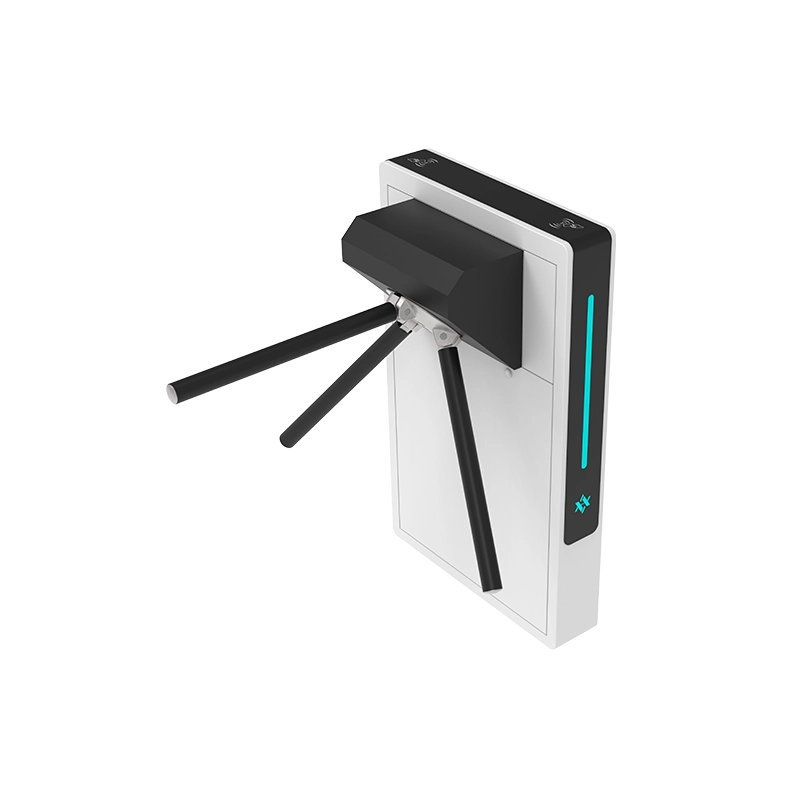
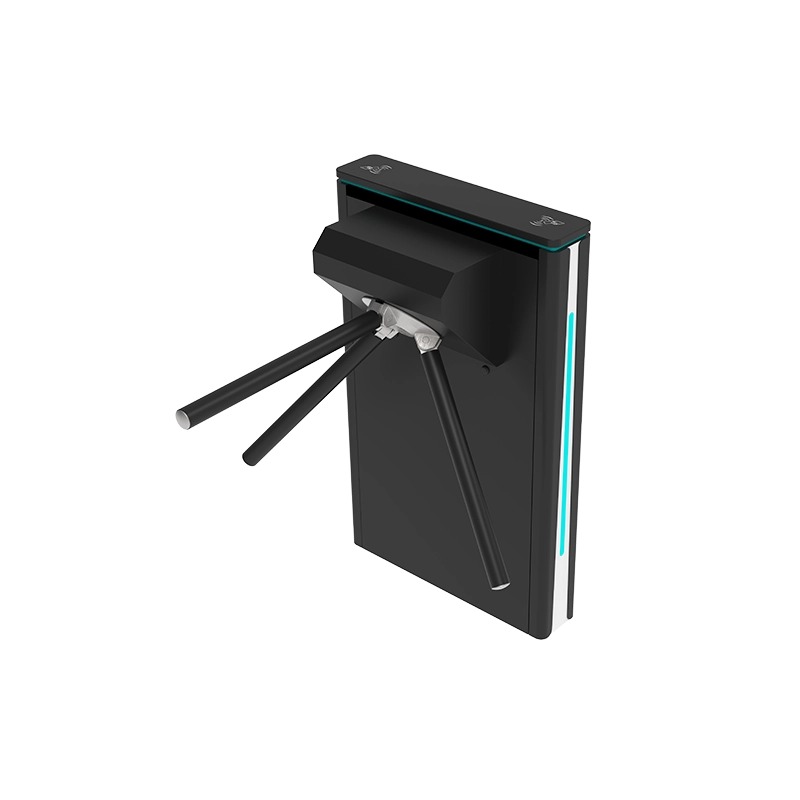
Tripod Turnstiles
These are a common and economical choice for controlled entry.
- Characteristics: Feature three rotating arms that release after valid authentication.
- Applications: Factories, amusement parks, sports venues, schools, and offices for moderate security and high traffic.
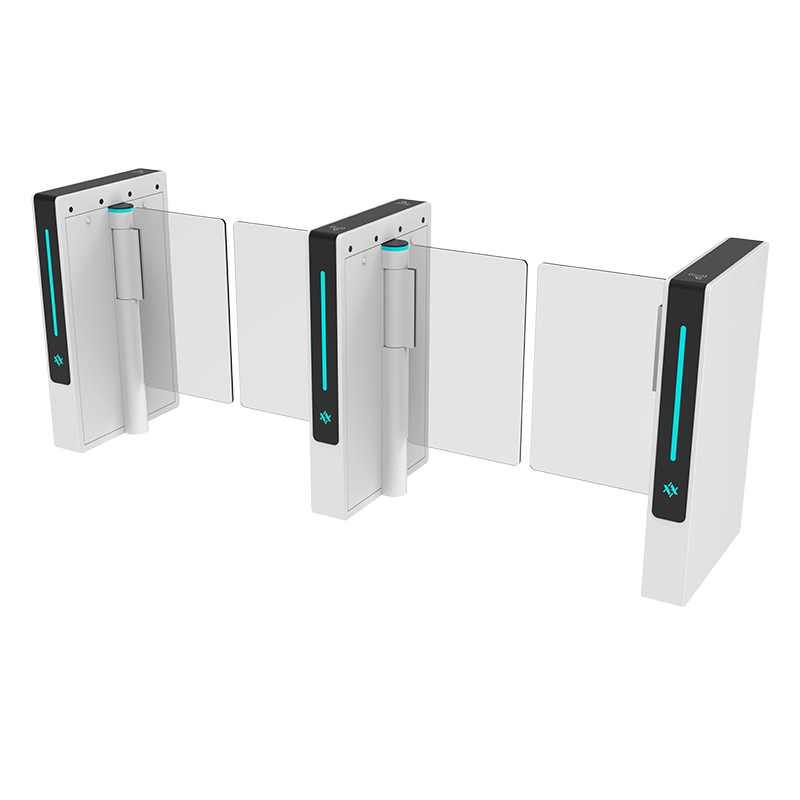
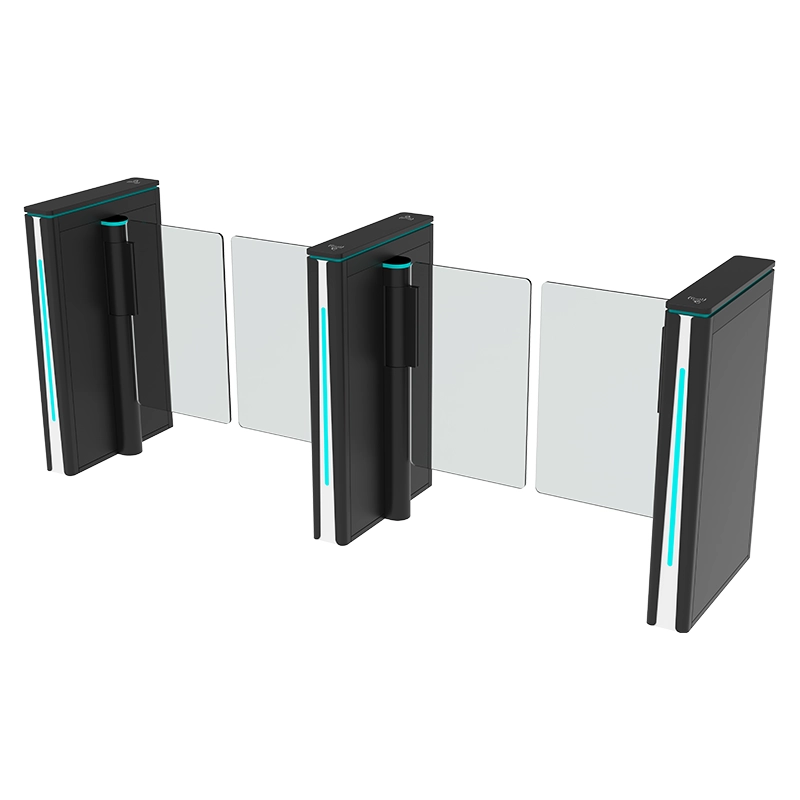
Flap Barriers
These offer fast throughput with a modern design.
- Characteristics: Retractable glass or acrylic panels that quickly open and close.
- Applications: Metro stations, corporate lobbies, airports, and customs checkpoints where speed and aesthetics are important.
Swing Turnstiles
These provide wider lanes for diverse user needs.
- Characteristics: Single or dual swinging barriers that open upon authentication.
- Applications: High-end office buildings, museums, libraries, and areas needing ADA compliance for wheelchair access.
Speed Gates
These are designed for rapid, high-volume pedestrian flow.
- Characteristics: Utilize fast-moving retractable barriers, often with advanced sensor systems.
- Applications: Modern corporate headquarters, government buildings, and data centers where quick, efficient, and discreet access control is paramount.
What are the ADA requirements for turnstiles?
Ensuring accessibility for all individuals, including those with disabilities, is a critical aspect of modern facility design and a legal obligation in many regions. What specific requirements do turnstiles need to meet for ADA compliance?
ADA requirements for turnstiles[^6] mandate accessible passage for individuals with disabilities, primarily by providing a wider access lane. This dedicated lane, typically a swing gate or a specially designed flap barrier, must meet specific minimum width standards and operational ease to allow safe and convenient passage for wheelchairs, strollers, and persons with mobility aids.
Adhering to ADA standards is not only a legal necessity but also demonstrates a commitment to inclusive design and universal access.
Ensuring ADA Compliance in Turnstile Systems
Implementing ADA-compliant turnstiles ensures facilities are accessible to everyone. This requires specific design and installation considerations.
Designated Accessible Lanes
Most turnstile installations need to include at least one wider lane.
- Minimum Width: The clear opening for an accessible turnstile must be a minimum of 32 inches. This width accommodates standard wheelchairs and mobility devices.
- Ease of Operation: The turnstile mechanism should require minimal force to operate, making it easy for individuals with limited strength or dexterity to use.
Suitable Turnstile Types for Accessibility
Certain turnstile designs are inherently more adaptable for ADA compliance.
- Swing Gates: These are frequently used as the accessible option. Their wide opening capacity makes them ideal for wheelchairs, strollers, and larger baggage.
- Wide Flap Barriers: Some flap barrier models are specifically designed with wider lanes to meet ADA requirements while maintaining speed and aesthetics.
Installation and Environmental Considerations
Proper installation is crucial for effective ADA compliance.
- Clear Approach and Exit Space: Adequate clear space before and after the turnstile is necessary. This allows individuals using mobility aids sufficient room to maneuver.
- Visual and Auditory Cues: Incorporating appropriate signage and optional auditory signals can further assist users with disabilities in navigating the accessible lane.
| ADA Compliance Aspect | Key Requirement | Functional Benefit |
|---|---|---|
| Passage Clear Width | At least 32 inches (81 cm) | Accommodates wheelchairs, scooters, and assistive devices. |
| Operating Force | Less than 5 pounds (22.2 N) of force | Ensures usability for individuals with reduced strength. |
| Maneuvering Space | Clear space of 48×60 inches (122×152 cm) | Allows comfortable approach and exit for wheelchair users. |
| Emergency Egress | Must allow immediate, unobstructed exit in emergencies | Provides safety for all users, including those with disabilities. |
My Insights: What are the Best Turnstile Types for High-security Construction Sites?
Concerned about security at your construction site? Discover the top turnstile types that ensure maximum protection against unauthorized entry.
Full-height turnstiles, especially stainless-steel models, offer robust security for construction sites. Their anti-tailgating and anti-climbing features, combined with biometric or card access, create an impenetrable barrier that withstands harsh conditions and prevents unauthorized access.
Selecting the Right Turnstile for Construction Security
Types of Turnstiles
| Type | Features |
|---|---|
| Full-height | Prevents climbing, tailgating; strong physical barrier |
| Outdoor-rated Full-height | Weatherproof design; ideal for exposed outdoor settings |
| Portable Full-height | Flexibility for changing site layouts |
Why Full-height Turnstiles?
- Security Strength: Offers floor-to-ceiling protection, difficult to breach.
- Material Durability: Stainless steel provides corrosion resistance in tough environments.
- Integration Options: Supports biometric, badge, or QR code systems for high-security access.
Practical Considerations
Opt for full-height turnstiles that include features like anti-tailgating and biometric verification. These systems not only enhance physical security but also streamline worker tracking and site management, ensuring efficient control over access points in demanding construction environments.
Conclusion
Selecting the best turnstile for high-security construction sites involves considering security needs, traffic flow, budget, and ADA compliance. Full-height turnstiles offer the highest security. Tripod turnstiles balance security and cost. Proper selection ensures effective access control and site safety.