
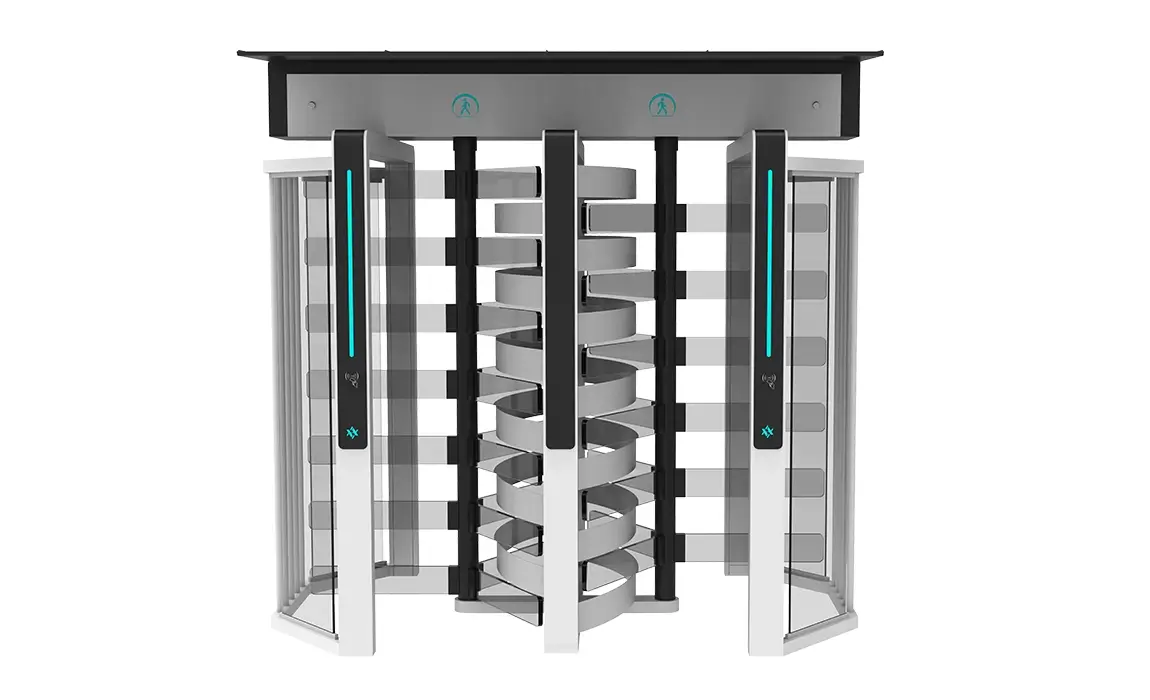
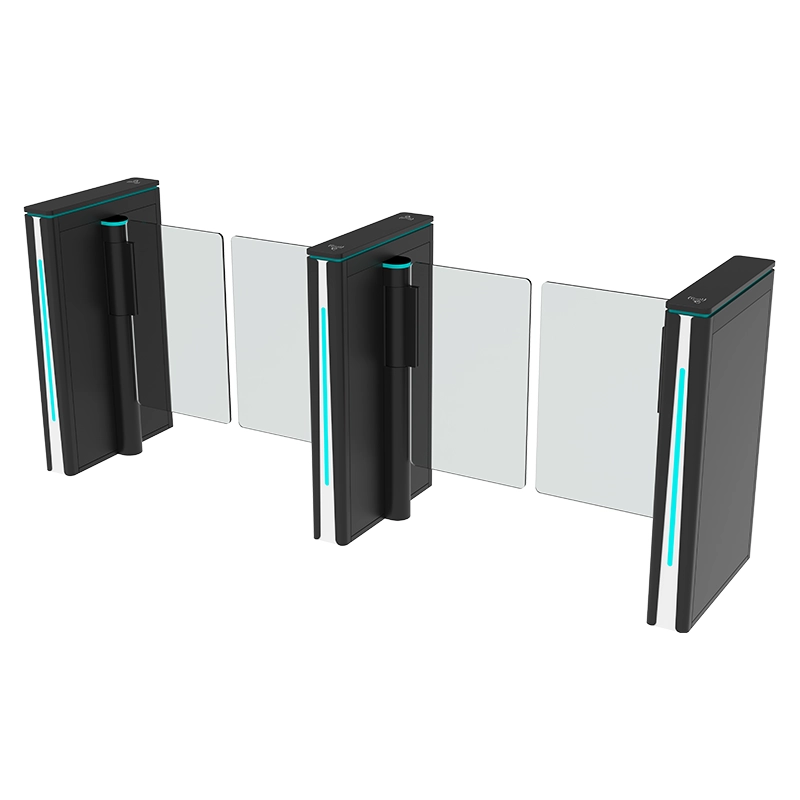
](https://aipadaturnstile.com/wp-content/uploads/2025/12/AT508-LD-02.webp "AT508-LD-02")

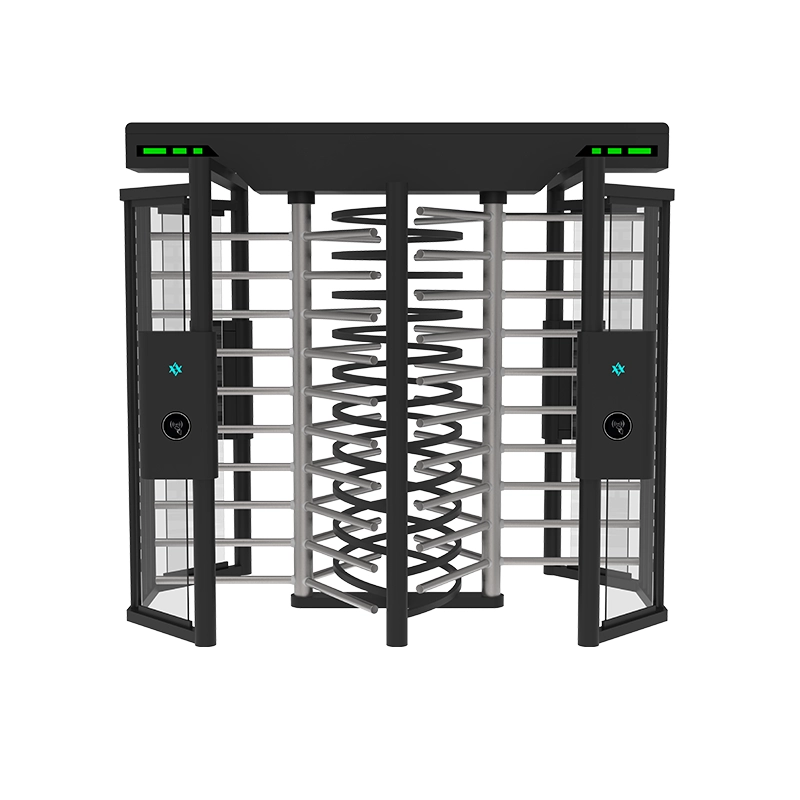
The basic components of a turnstile include the housing, barrier, mechanism, control module, and auxiliary module.
housing
It protects the internal components such as the movement and control module, and also provides support.
The main body is typically made of 304 or 316 stainless steel or iron, while auxiliary materials include acrylic glass, tempered glass, resin, stone, or wood. Material selection generally considers sturdiness, aesthetics, resistance to deformation, scratch and abrasion, rust and corrosion resistance, and ease of processing and fixing.
The chassis can be colored using coating or electroplating processes, allowing the exterior to match its appearance and environment, resulting in a more sophisticated and personalized look.
barrier
It serves as a barrier when pedestrians are not permitted to pass, and opens to allow passage when pedestrians are allowed. It is generally implemented in the form of a gate or barrier.
The materials used should be sturdy, able to withstand a certain amount of impact, but the impact itself should not cause harm to people. It should also be as lightweight as possible, aesthetically pleasing, rust-proof and corrosion-resistant, easy to process and fix, and should not cause injury if damaged.
mechanism
It is composed of various mechanical components (including a drive motor, reducer, etc.) that control the opening and closing of the barrier using mechanical principles.
Key factors affecting the performance and lifespan of the movement include the manufacturing process and materials of the mechanical components, and most importantly, the drive motor and its matching reducer. AIPADA uses high-quality movements available on the market.
control module
Microprocessor technology is used to control various electrical components and drive motors.
Microprocessors typically use single-chip microcomputers. However, if the control system is complex, or needs to be integrated with many other systems (including ticketing systems, access control systems, etc.), and has high response time requirements, higher-performance ARM processors or even Cortex processors are needed.
Simple control circuits can generally be implemented with a main control board, motor control board, and auxiliary control board. Complex control circuits (such as subway ticket gates) require a dedicated industrial control computer.
auxiliary module
It includes LED indicator module, counting module, pedestrian detection module, alarm module, permission input module, voice prompt module, etc.
LED indicator modules: These generally consist of an LED dot matrix or an LED display screen, used to indicate the passage status and direction of the gate. Some also include text or graphic prompts and welcome messages.
Counting module: Used to record the number of people passing through, which can be displayed through LED digital tubes or a display screen. It can be reset and the upper limit of the count can be set.
Pedestrian detection module: Used to identify the pedestrian’s passage status, determine whether the pedestrian is passing legally, and determine whether the pedestrian is within the movement range of the barrier to protect the pedestrian’s personal safety. The performance of the detection module is critical, affecting the effectiveness and security of the turnstile, and is mainly determined by two factors: hardware—sensors—and software—recognition algorithm.
Sensors typically employ infrared photoelectric switches (common) or infrared light curtains. Infrared photoelectric switches are further divided into paired through-beam types (common) and single reflective types. High-end turnstiles use more than 10 pairs of imported infrared photoelectric switches, while high-performance infrared light curtains or other special sensors are used in special cases. Furthermore, the recognition algorithm is also crucial. Pedestrians vary in height, stride length, and speed, and the size and location of their luggage also differ. The spacing between multiple people passing through consecutively (to prevent tailgating) must also be considered, and in some cases, the situation of cyclists must be taken into account. High-end turnstile manufacturers generally establish corresponding mathematical models based on extensive experimental data and develop their own recognition algorithms. These algorithms can effectively identify common traffic targets such as pedestrians, luggage, and bicycles, and the anti-tailgating distance can reach within 20mm. This performance depends on both the sensor’s recognition accuracy and the algorithm; ordinary turnstiles can only achieve an anti-tailgating distance of 100mm.
Alarm module: The turnstile will trigger an alarm under various abnormal usage conditions to alert or warn pedestrians, managers and maintenance personnel. These conditions include unauthorized passage, turnstile malfunction, power-on self-test, etc. Alarm methods include buzzer (common), light, voice, etc. (which can be used in combination).
Permission Input Module: Before passing through, pedestrians need to let the turnstile “know” whether they have the legal permission to pass, that is, “input” their permissions so that the turnstile can determine whether to allow passage. There are many input methods, such as contactless IC card swiping, biometric identification, password input, coin insertion, etc., and a simple method is to directly press a button to pass. This module is generally integrated with access control systems or ticketing systems. This module is not needed in situations where passage is free.
Voice prompt module: The voice prompts here differ from the voice alarms in the previous alarm module. They are primarily used to provide pedestrians with relevant information, such as the type of pass or welcome messages. This module is not frequently used and requires customization from the manufacturer.
The above are the basic components of a turnstile. If you have any questions, please email AIPADA (Email: info@aipadaturnstile), and we will be happy to assist you online.
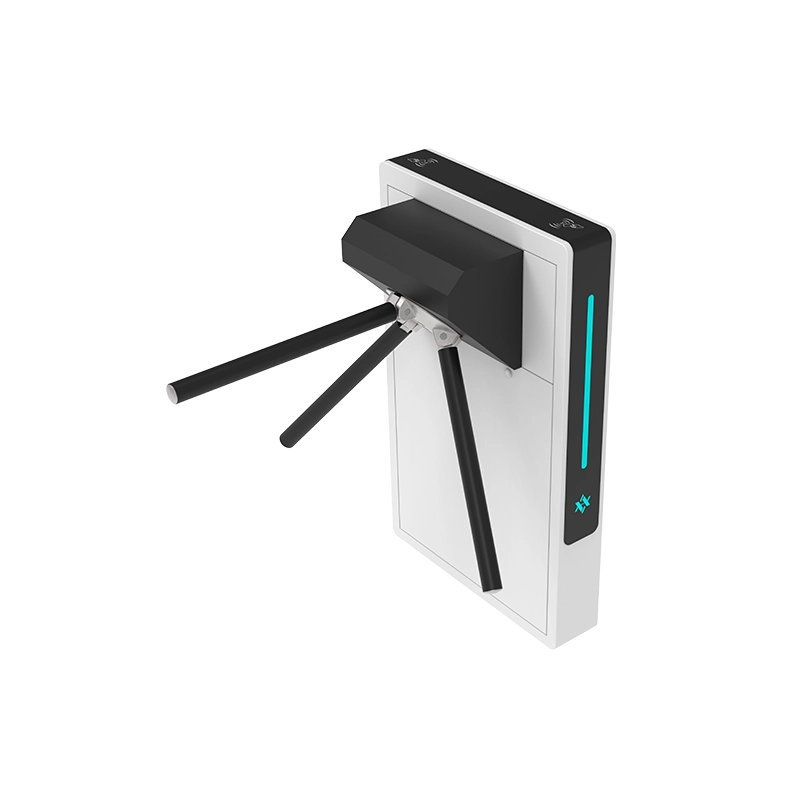
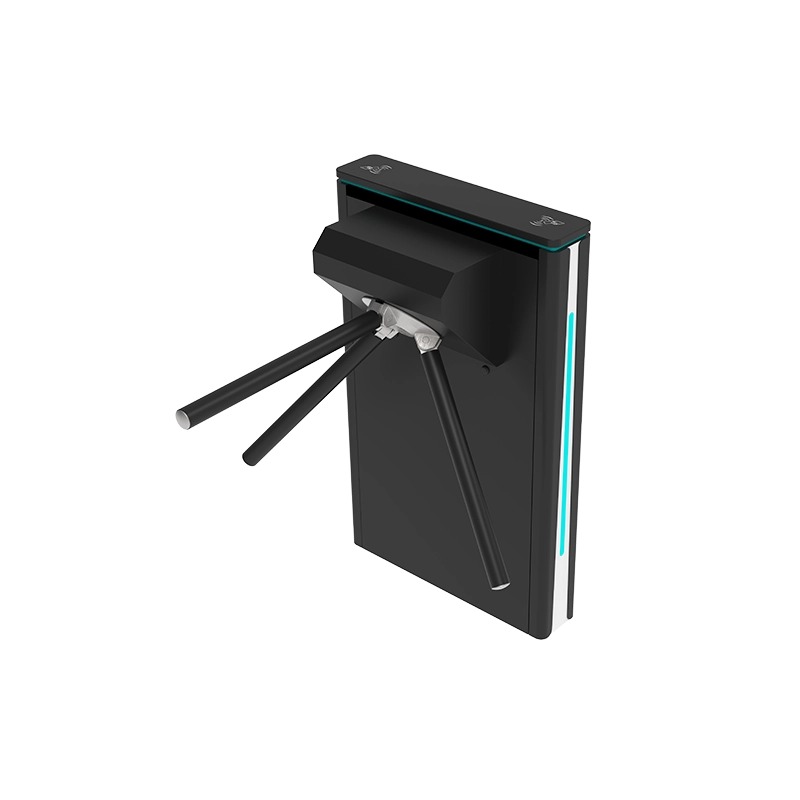
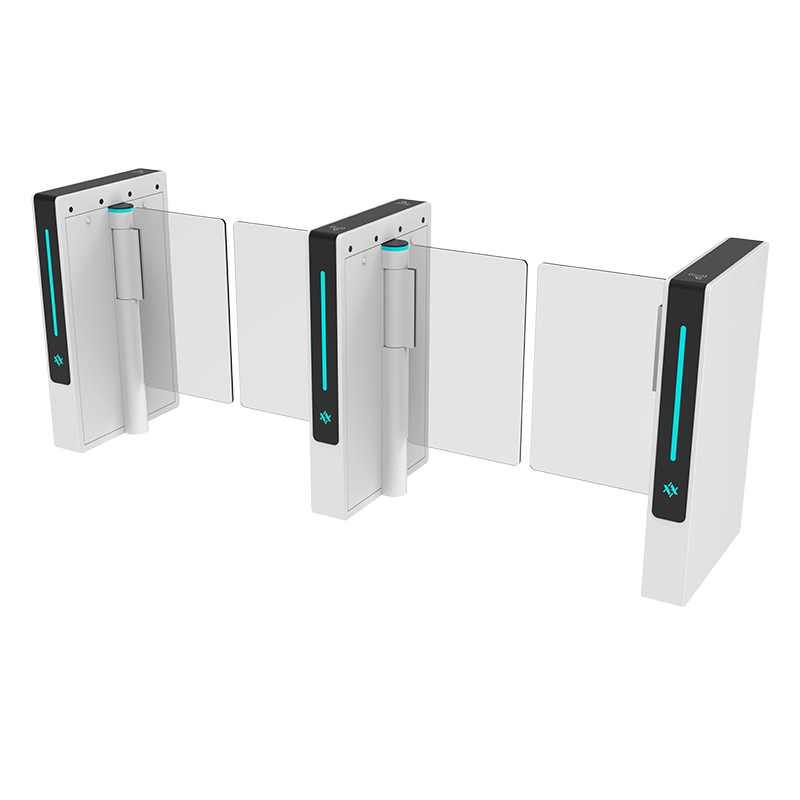
](https://aipadaturnstile.com/wp-content/uploads/2025/12/popup-img.jpg)