

Crowded lobbies create long lines and security risks. Slow gates frustrate your staff and make visitors wait too long. I will compare speed and swing gates to help you choose the best system.
Speed gates offer higher throughput and a sleek look for high-end offices. Swing gates provide wider lanes for wheelchairs and strollers. While speed gates cost more, they save floor space and use better sensors to stop tailgating. Your choice depends on traffic volume and building layout.
You need to know the technical facts before you buy. Choosing the wrong gate leads to high maintenance costs and slow traffic. Let us look at how these systems compare in detail.
What is the difference between a speed gate and a turnstile?
Traditional turnstiles are slow and look outdated in modern buildings. These old mechanical barriers can block the flow of people during busy hours. I suggest looking at the mechanical differences first.
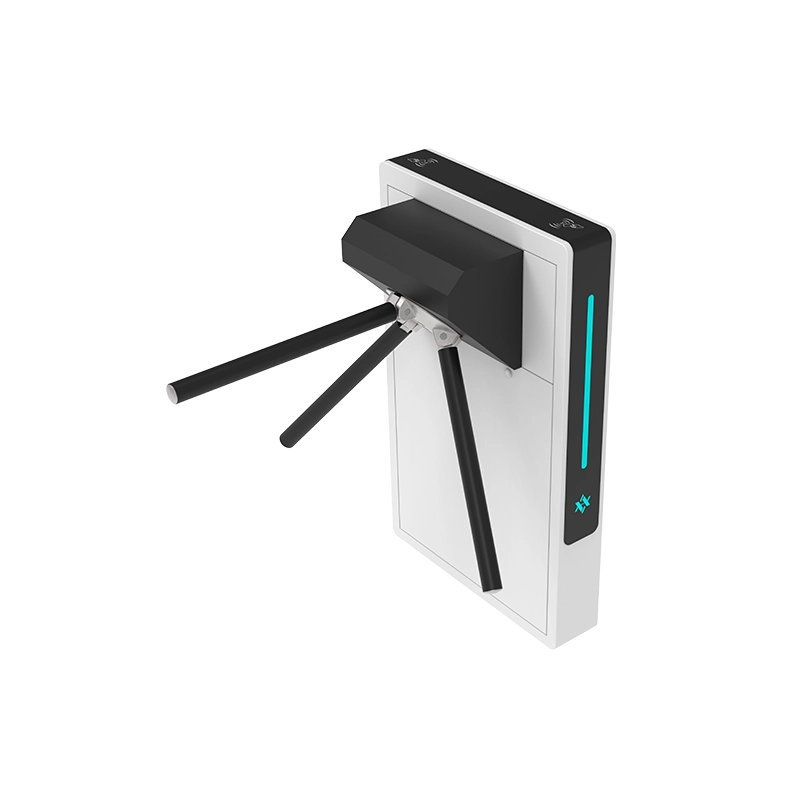
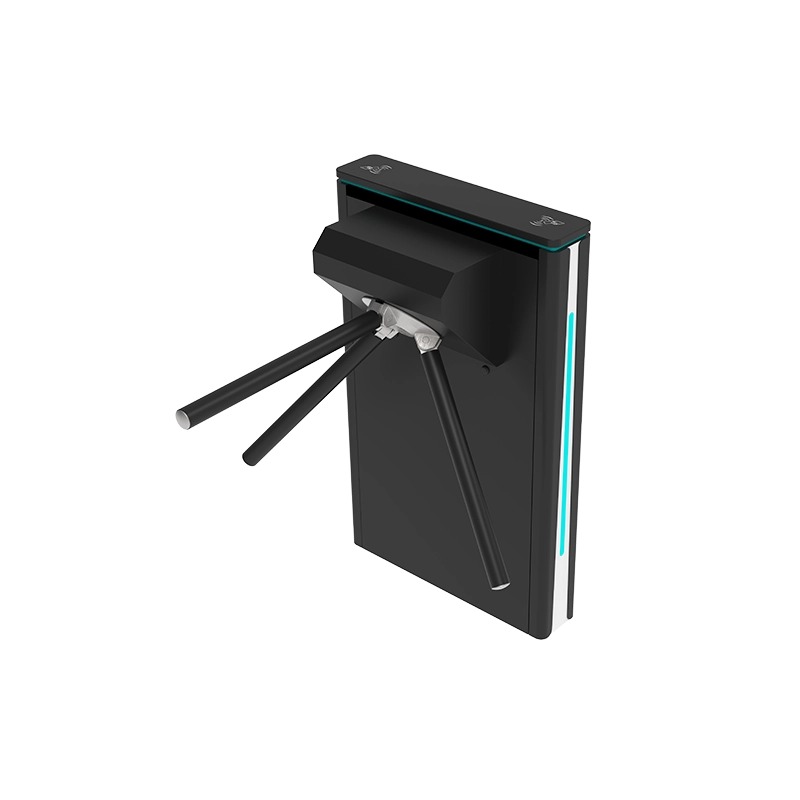
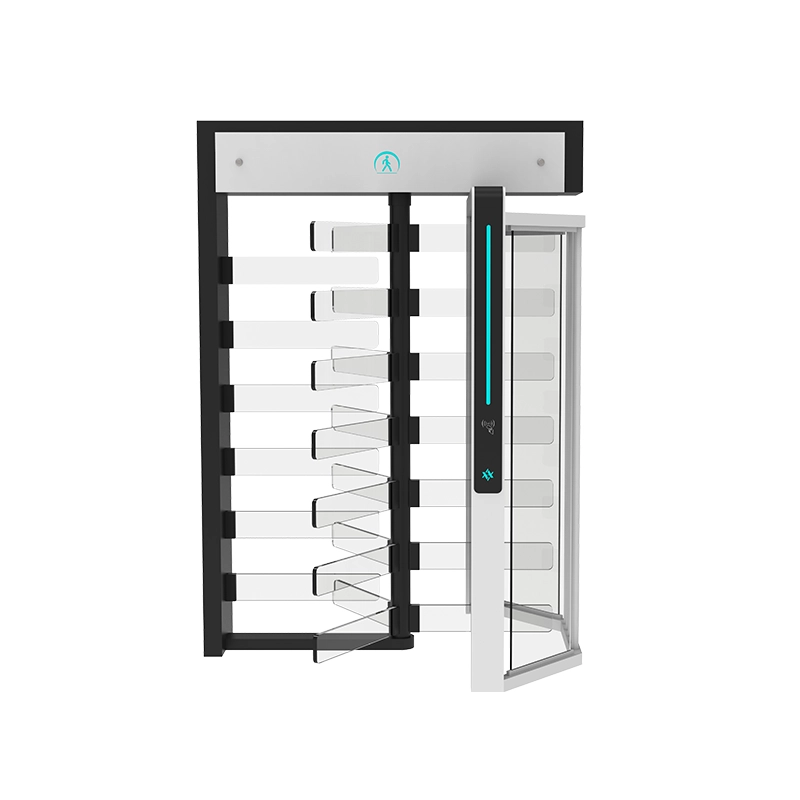
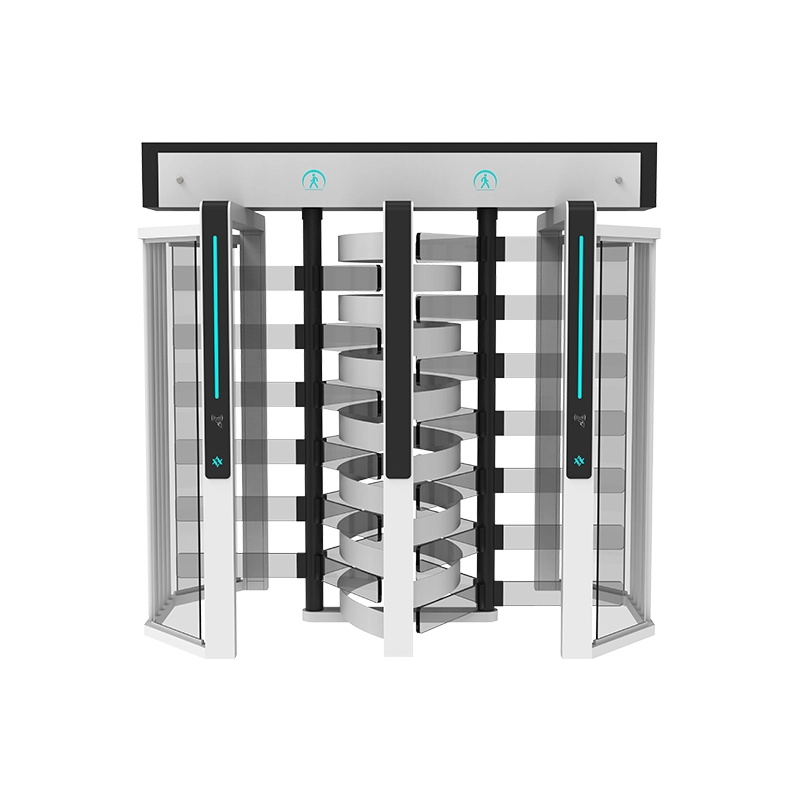
A speed gate uses fast glass panels and advanced infrared sensors to manage traffic. A standard tripod turnstile uses a rotating metal arm. Speed gates handle more people per minute and look more professional in high-end environments like corporate offices.
Mechanical and Operational Differences
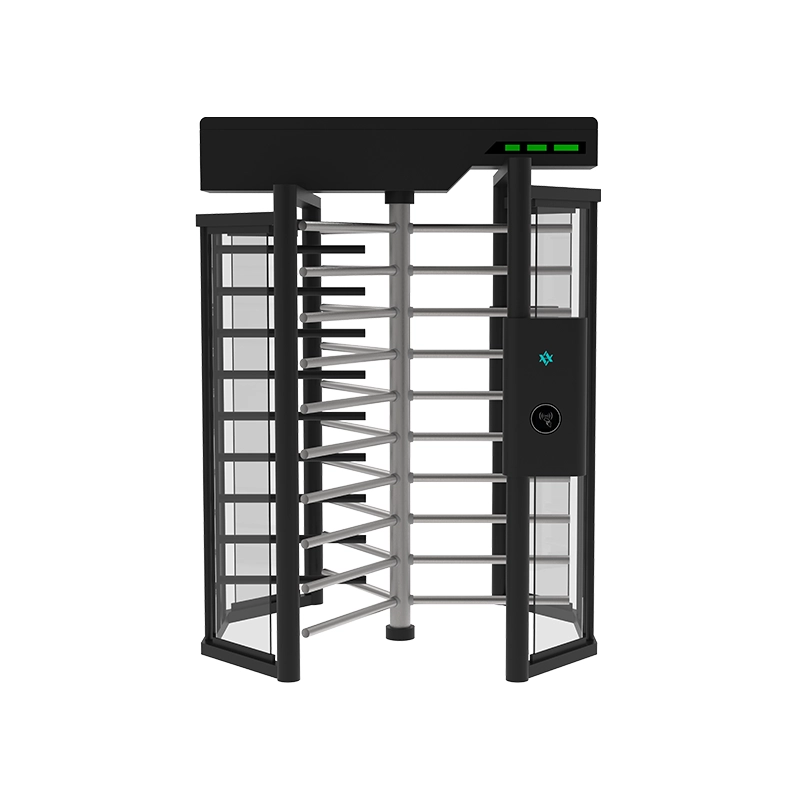
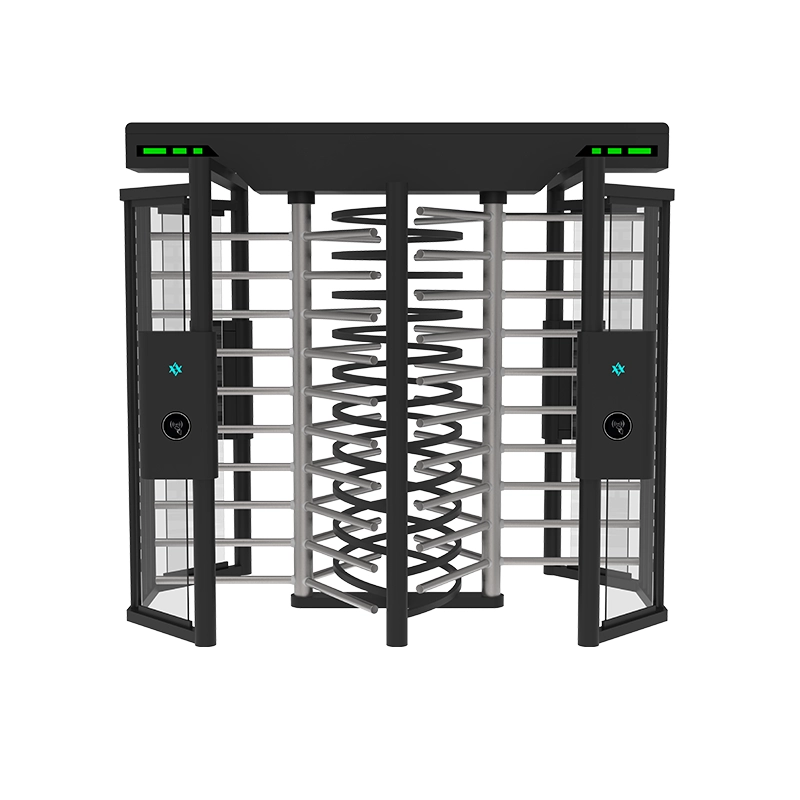
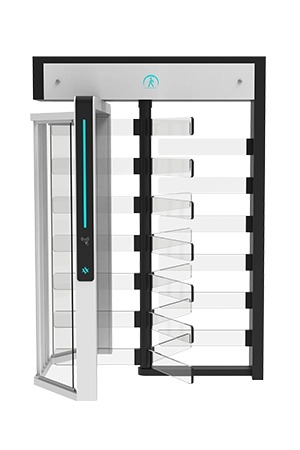
When I look at entrance systems, I focus on the motor and the user experience. A tripod turnstile[^1] is a mechanical barrier. You have to push the arm to pass. This is often loud and slow. Speed gates use brushless DC motors. These motors move the glass panels quickly and quietly.
At my company, aipada, we prioritize these brushless motors. They stay cool even when thousands of people pass through every day. A standard turnstile might only handle 15 to 20 people per minute. A speed gate[^2] can easily handle 35 to 45 people in that same time. This makes a huge difference during the morning rush.
Technical Performance Comparison
| Feature | Speed Gate | Tripod Turnstile |
|---|---|---|
| Throughput | 30 – 45 persons/min | 15 – 25 persons/min |
| Aesthetics | Modern Glass/Steel | Industrial Steel |
| Safety Sensors | High Density (10+ pairs) | Minimal or None |
| Maintenance | Low (Brushless Motor) | Medium (Mechanical parts) |
| Space Needs | Narrow footprint | Large rotating area |
The Role of Logic Boards and Sensors
The "brain" of the gate is the logic board. Speed gates use a grid of infrared sensors to track the user. If someone tries to follow an authorized person without scanning, the gate knows. This is called anti-tailgating. I see many budget turnstiles that lack this feature. A tripod turnstile is easy to crawl under or jump over. A speed gate has taller glass panels. This makes it much harder to bypass security. The sensors also prevent the gates from closing on a person. This makes them safer for busy offices where people might be distracted by their phones.
Which is better, an automatic swing gate or a sliding gate?
Narrow hallways make it hard to fit standard security gates. If the gate is too wide, it blocks the walking path. I will help you decide between swing panels and sliding panels based on your space.
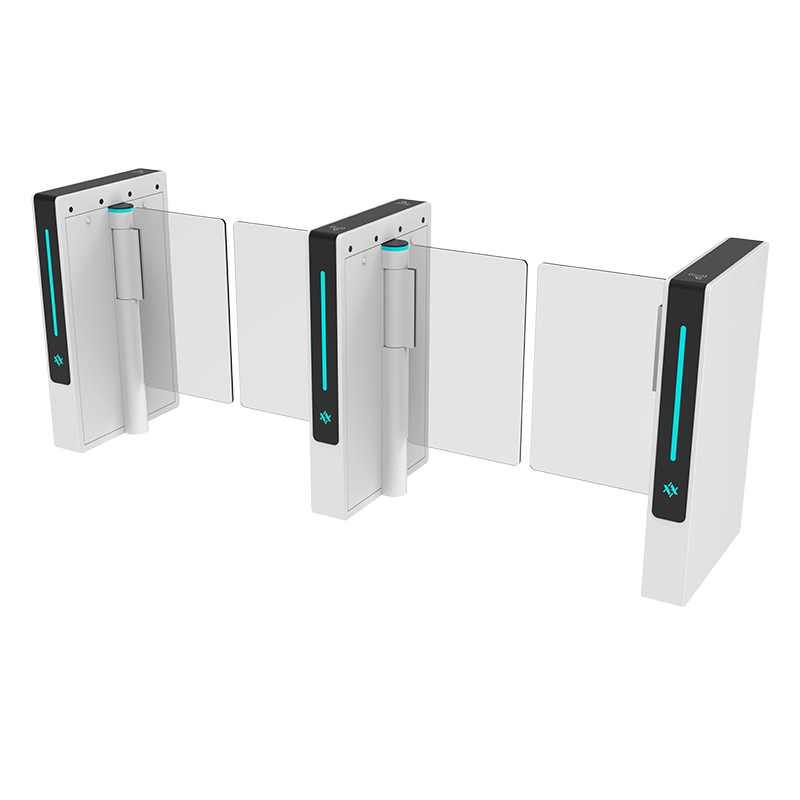
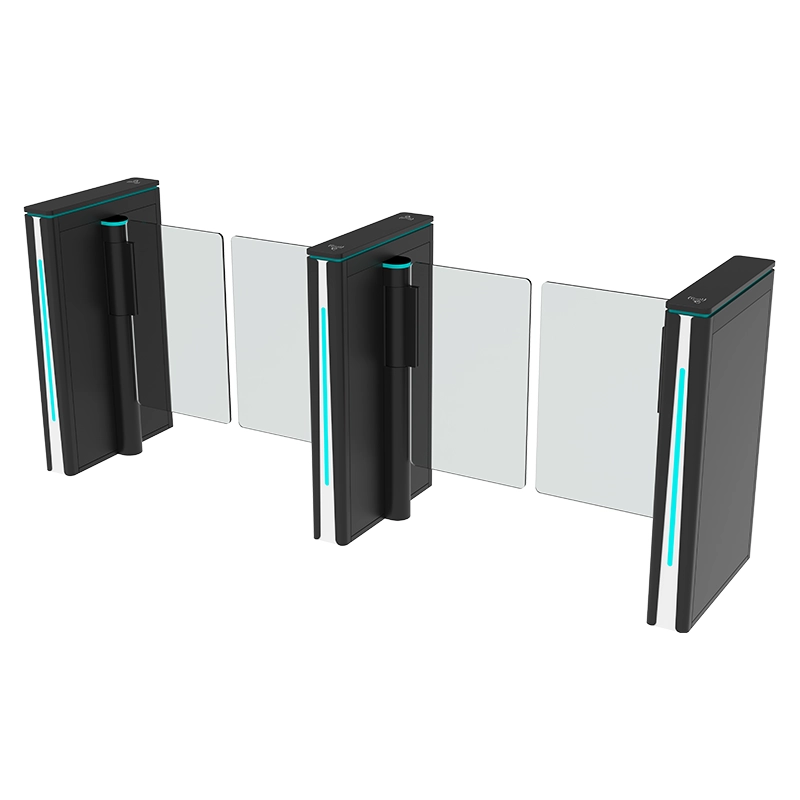
Swing gates are better for wide lanes and wheelchair access. Sliding gates, or flap barriers, are better for very fast traffic in places like subways. Swing gates take up less cabinet space but need a clear radius to open their glass doors.
Space Requirements and Lane Width
I often help customers measure their lobbies. A swing gate is very flexible. It can open to 900mm or even 1200mm. This is the best choice if you need to move large items or help people in wheelchairs. The cabinet of a swing gate is usually very slim. This helps when you have limited floor space.
Sliding gates are different. The panels retract into the cabinet body. This means the cabinet must be wide enough to hold the entire panel. If you have five lanes, sliding gates[^3] will take up much more room than swing gates[^4]. However, sliding gates are the fastest. They open and close in less than 0.5 seconds. This is why you see them in busy transit hubs.
Safety and Impact Logic
- Swing Gates: These gates move in an arc. If they hit someone, the impact is usually low. Most modern swing gates have a "rebound" feature.
- Sliding Gates: These move side-to-side very fast. They need high-quality infrared sensors to make sure the lane is clear.
- Emergency Mode: In a fire, both types should open automatically. I ensure our aipada gates always have a fail-safe mode that connects to the building fire alarm.
Choosing the Right Material
| Gate Type | Best Environment | Material Choice |
|---|---|---|
| Swing Gate | Offices, Hotels, Hospitals | Tempered Glass, Stainless Steel |
| Sliding Gate | Subways, Schools, Gyms | Acrylic, Heavy-duty Plastic |
I think swing gates look more "open" and friendly. They do not feel like a wall. This makes them a popular choice for five-star hotels and luxury apartments. Sliding gates feel more like a high-security barrier. They are built for speed and durability in places where people are in a hurry.
What are common problems with sliding gates?
Cheap sliding gates often break down when you need them most. If the motor fails, your entrance becomes a bottleneck and a security risk. I want to point out the common mechanical issues so you can avoid them.
Common problems include noisy operation, sensor errors from dust, and motor wear in high-traffic areas. Poorly made sliding gates can also have "ghost" triggers where they open for no reason. Using high-quality brushless motors and precise alignment helps solve these issues.
Motor Wear and Heat
In my experience, motor quality is the most important factor. Sliding gates move heavy panels back and forth thousands of times a day. If the gate uses a cheap brushed motor, it will get hot. Heat causes the electronic parts to fail. I always recommend brushless motors because they do not have carbon brushes that wear down. This means the gate can run for millions of cycles without needing a repair. If your current gate sounds like it is grinding, the motor or the gears are likely failing.
Sensor Blockages and Environmental Factors
Sliding gates use infrared beams to "see" the lane. If dust or dirt gets on the sensor lens, the gate might think someone is standing in the way.
- Cleaning: You must wipe the sensor covers every week in dusty environments.
- Sunlight: Bright sun can blind the infrared sensors. This causes the gate to stay open.
- Vibration: If the floor is not solid, the cabinets might shake. This moves the sensors out of alignment.
I tell my clients to install gates on a level concrete base. If the base is not flat, the sliding panels will rub against the cabinet. This creates a loud noise and wears out the motor.
Software Logic and False Alarms
Sometimes a sliding gate will alarm when a person carries a bag. This is a problem with the software logic. Good gates can tell the difference between a person and an object. If the logic is too sensitive, people will get frustrated. If it is not sensitive enough, two people can walk through on one scan. At aipada, we use smart algorithms to filter out these false alarms. This keeps the traffic moving and reduces work for your security guards.
Are speed gates accurate?
If your gate counts people incorrectly, your security data is wrong. Inaccurate gates allow unauthorized people to follow others into your building. I believe accuracy is the most important part of any access control system.
Speed gates are very accurate because they use many pairs of infrared sensors to track movement. These sensors detect tailgating and reverse entry attempts instantly. When paired with face recognition or RFID, the accuracy of identifying individuals is nearly perfect.
How Infrared Sensor Density Works
Accuracy depends on how many sensors are in the gate. A cheap gate might only have 5 pairs of sensors. A professional speed gate from aipada usually has 10 to 15 pairs. This creates a dense grid. This grid can see the gap between two people very clearly. It can also detect a child or a small animal.
When a person scans their card, the sensors track them from the moment they enter the lane until they exit. If the sensors see a second "peak" in the signal, the gate knows a second person is trying to enter. It will then sound an alarm or lock the panels. This is the best way to stop tailgating without needing a guard at every gate.
Integration with Modern Readers
The gate is only one part of the system. For the best accuracy, you must integrate it with a good reader.
- Face Recognition: This is the fastest and most accurate method today. It works well with speed gates because the user does not have to stop to scan a card.
- QR Codes: These are great for visitors. The gate’s logic board can be programmed to allow a visitor in only once.
- RFID and Biometrics: These are standard for employees. Our systems support all these third-party integrations easily.
Comparing Accuracy Levels
| Logic Type | Accuracy Rate | Best For |
|---|---|---|
| Basic IR (5 pairs) | 85% | Low traffic, Budget projects |
| High Density IR (12+ pairs) | 98% | Offices, Data Centers |
| IR + Face Recognition | 99.9% | High Security, Banks |
I have seen that high-density sensors also help with "luggage logic." The gate understands that a suitcase pulled behind a person is not a second person. This prevents the gate from closing on the bag. Accuracy saves time because it prevents the gate from stopping the flow of people for no reason.
My Insights: Speed vs. Swing Gates – Comprehensive Analysis for Efficient Access Control
Choosing the ideal gate system can enhance security and flow in your facility. Explore the differences between speed and swing gates for the best fit.
Speed gates excel in high-traffic environments with faster throughput and compact design, making them ideal for airports and offices. Swing gates, offering affordability and flexible access widths, suit spaces with moderate traffic and varied entry needs.
Evaluating Key Metrics
Comparison of Gate Systems
| Metric | Speed Gate | Swing Gate |
|---|---|---|
| Throughput (people/min) | 30-50+ | 20-25 |
| Operation Speed (sec) | 0.3-0.8 | 2-3 |
| Space Requirement | Compact footprint | Requires 30-40% more clearance (arc) |
| Cost (per unit) | $1,300-$8,000+ | $300-$5,000 |
Throughput and Speed: Ideal for high-traffic areas, speed gates manage up to 50+ people per minute, perfect for efficient processing in busy locations like airports.
Space and Design: With minimal space needs, speed gates are optimal for tight entries. Conversely, swing gates require more clearance but offer adjustable access widths, making them versatile for different environments.
Costs and Investments: While initial investment in speed gates is higher, the advanced technology offers robust features. Swing gates, cost-effective and simple, are ideal for budget-conscious projects and areas with lower traffic.
By weighing these factors, facilities can choose gates that best match their specific traffic, space, and budgetary requirements, ensuring seamless and secure access control.
Conclusion
Speed gates offer high throughput and better security through advanced sensors. Swing gates provide more space and accessibility for diverse users. Choosing high-quality brushless motors ensures long-term reliability.
](https://aipadaturnstile.com/wp-content/uploads/2025/11/AT107-TC-01.webp)
](https://aipadaturnstile.com/wp-content/uploads/2025/12/vertical-tripod-turnstile.jpg)
](https://aipadaturnstile.com/wp-content/uploads/2025/12/popup-img.jpg)