
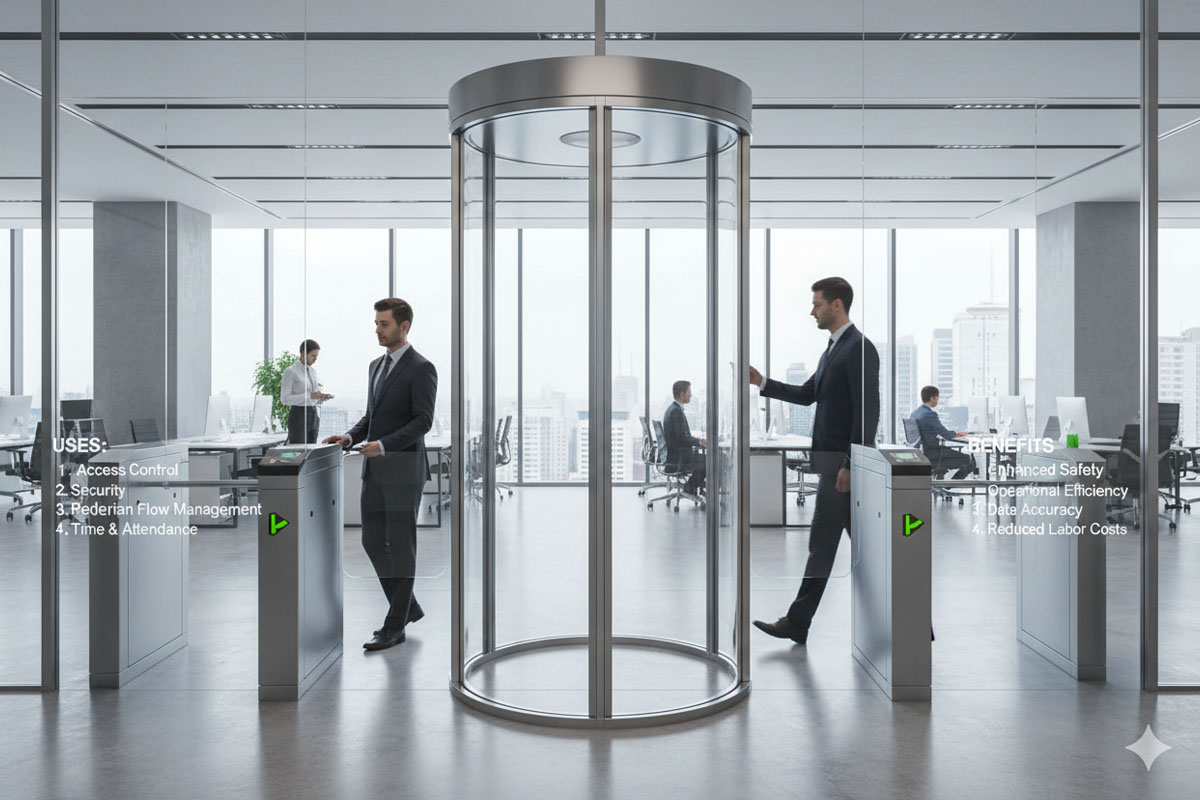
](https://aipadaturnstile.com/wp-content/uploads/2026/04/What-are-the-Uses-and-Benefits-of-a-Full-Height-Turnstile.jpg "What are the Uses and Benefits of a Full Height Turnstile")

Are you looking for enhanced security and efficient access control for your facility? Do you need a reliable solution to manage pedestrian traffic and prevent unauthorized entry? A full-height turnstile offers a robust answer to these security challenges.
A full-height turnstile provides a complete physical barrier from floor to ceiling, making it a highly secure option for access control. It ensures only authorized individuals can pass, which enhances site security and streamlines the flow of people. This makes it suitable for various high-security applications.
Full-height turnstiles are often used in environments where security is a top priority, such as industrial sites, correctional facilities, and large public venues. They offer a strong physical deterrent and integrate with various access control systems for comprehensive security management.
What is a full-height turnstile?
Do you understand the specific characteristics that define a full-height turnstile[^1] compared to other access gates? It is important to distinguish it from smaller turnstiles. This clarifies its primary security function.
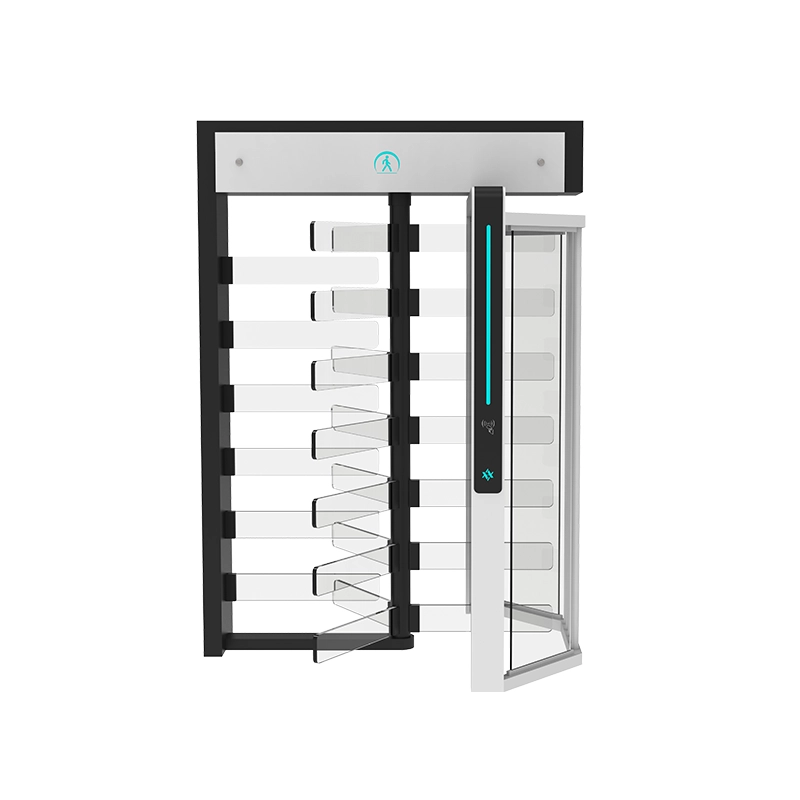
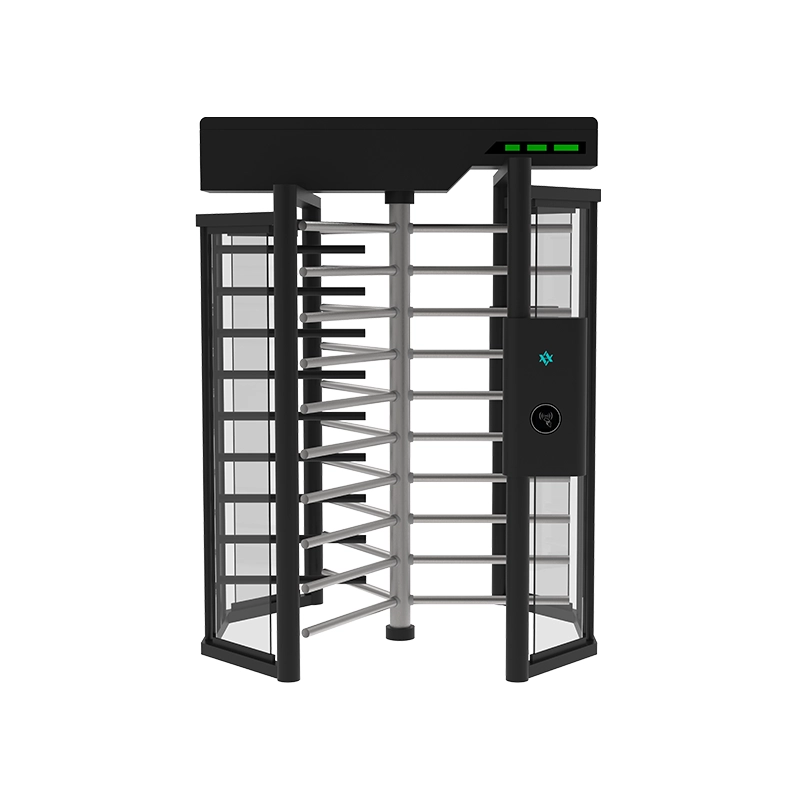
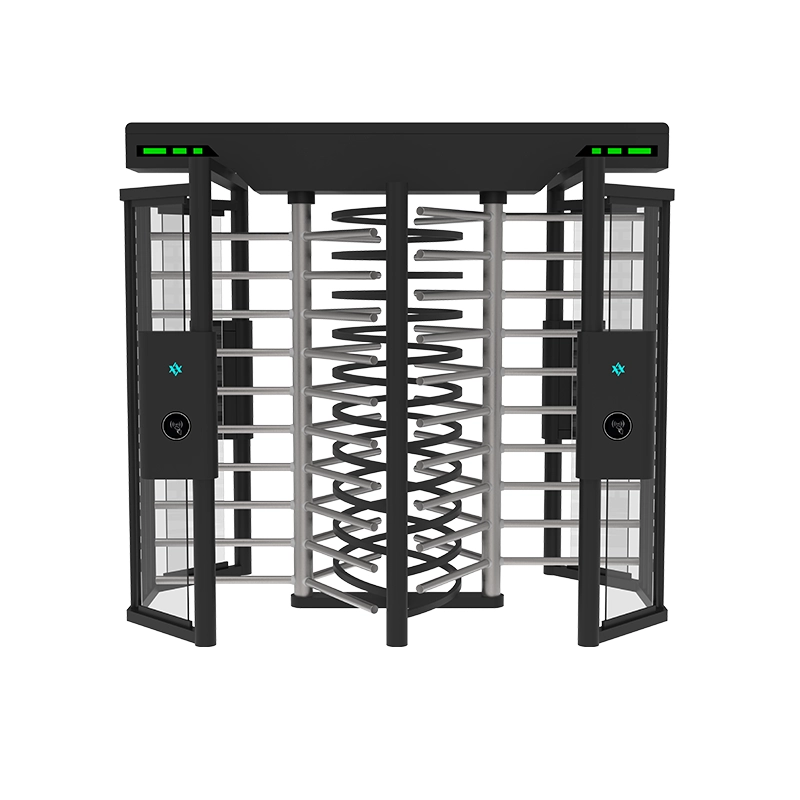
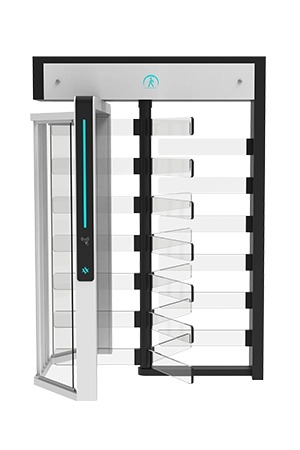
A full-height turnstile is an access control device that extends from the floor to the ceiling, creating a complete enclosure. It is designed to allow one person to pass at a time, effectively preventing unauthorized entry like jumping over, crawling under, or squeezing past the barrier.
These turnstiles are commonly found in locations requiring high levels of security. They offer a significant physical deterrent and work with electronic access systems. This creates a secure entry point.
Types of Full-Height Turnstiles
Full-height turnstiles come in various configurations. Each type is suited for specific operational needs and traffic volumes. Choosing the right type depends on the application.
| Type | Description | Ideal Use Case |
|---|---|---|
| Single Rotor | Features one rotating section, allowing single-file passage. | Entrances with moderate traffic, controlled access points. |
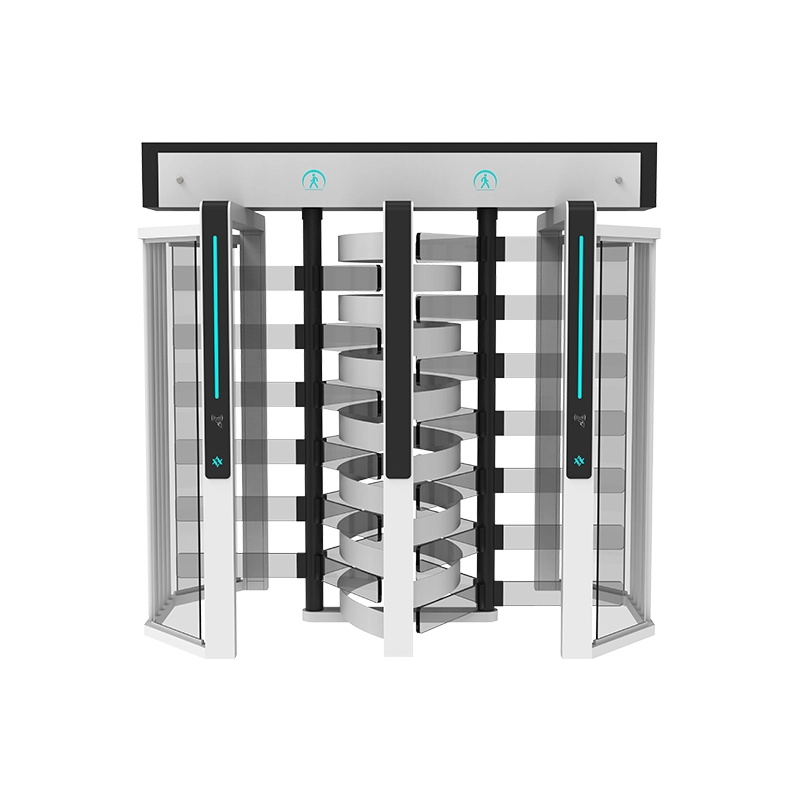
| Dual Rotor | Contains two independent rotating sections, creating two separate lanes. | High-traffic areas, requiring simultaneous entry and exit. |
| ADA Compliant | Includes wider gates to accommodate wheelchairs, strollers, and large deliveries. | Public and commercial buildings, ensuring universal accessibility. |
How Full-Height Turnstiles Operate
The operation of a full-height turnstile involves several automated steps. These steps ensure secure and controlled passage for each individual. The process is straightforward and efficient.
- Credential Presentation: Users present their authorized credentials. These can include access cards, biometric data, or mobile passes.
- System Verification: The integrated access control system validates the presented credential. It checks for authorization and entry permissions.
- Barrier Release: Upon successful verification, the turnstile’s rotor unlocks and rotates. This allows one person to pass through the barrier.
- Automatic Re-locking: After passage, the turnstile automatically re-locks. This prevents multiple entries on a single authorization.
Advanced turnstiles often incorporate brushless motor technology. This ensures smooth, quiet operation and extended product lifespan. These features contribute to reliable and long-lasting performance.
Key Functional Features
Full-height turnstiles incorporate essential features. These features enhance both security effectiveness and user experience. They are critical for robust access control.
- Anti-Tailgating Sensors: These sensors detect if more than one person attempts to pass. They prevent unauthorized follow-through, ensuring one-person-at-a-time access.
- Anti-Passback Logic: This function prevents a user from passing their credential back to another person for re-entry. It enforces strict entry and exit policies.
- Emergency Egress Mechanism: In case of power failure or emergency, the turnstile automatically unlocks. This allows for free and unimpeded exit, complying with fire safety regulations.
- Durable Construction Materials: They are typically constructed from heavy-duty materials. Examples include galvanized or stainless steel. This provides resistance to vandalism and harsh environmental conditions.
- Integration with Access Systems: These turnstiles are designed to integrate seamlessly. They connect with various third-party access control systems. Examples include face recognition, QR code readers, RFID, and biometric scanners.
These functional features make full-height turnstiles a comprehensive solution. They offer high levels of physical security and intelligent access management.
What are the disadvantages of turnstiles?
Have you considered the potential drawbacks associated with implementing turnstiles in your facility? It is important to evaluate both the positive and negative aspects. Understanding these helps in making an informed decision.
While turnstiles offer significant security and efficiency advantages, they also present certain disadvantages. These can include higher initial investment costs, potential for bottlenecks during peak traffic times, and challenges regarding accessibility for individuals with specific needs if not properly addressed during planning and installation.
For example, a facility with high foot traffic at shift changes might experience congestion if an insufficient number of turnstiles are installed. This emphasizes the need for careful planning to balance security with user convenience.
Initial Investment and Setup Costs
Implementing turnstiles involves a financial commitment. This includes more than just the purchase price of the units. Careful budgeting is essential.
- Acquisition Cost: Full-height turnstiles are generally more expensive than lower-height barriers. This is due to their robust construction and comprehensive security features.
- Installation Expenses: Professional installation is often required. This can involve significant labor costs and specialized equipment.
- Site Preparation: Modifications to existing infrastructure may be necessary. This includes electrical wiring, data cabling, and potentially concrete work. These additions can increase the overall project cost.
Organizations should view these costs as an investment in long-term security. However, the initial outlay can be a considerable factor for some budgets.
Potential for Congestion and Slowdowns
Turnstiles are designed for controlled, single-person passage. This design can lead to slower throughput in certain situations. It is especially true in busy environments.
- Peak Hour Bottlenecks: During periods of high foot traffic, such as shift changes or event entry, queues can form. This happens because each person must pass individually.
- Credential Verification Delays: Issues with access cards, biometric scans, or user errors can momentarily halt the flow. This impacts the entire queue.
- User Unfamiliarity: New users or visitors might take more time to understand the operation. This can cause minor delays during their first uses.
To minimize these issues, careful analysis of traffic patterns is important. Deploying multiple turnstile lanes or utilizing high-speed models can help mitigate congestion.
Accessibility Limitations
The design of standard turnstiles can pose challenges for certain users. This requires consideration for inclusivity and compliance. It is a key aspect of facility planning.
- Wheelchair Access: Standard turnstile widths are insufficient for wheelchairs. This necessitates separate, wider gates that are ADA (Americans with Disabilities Act) compliant.
- Strollers and Large Items: Individuals with baby strollers, luggage, or large equipment may find standard turnstiles difficult to navigate.
- Emergency Access: First responders with equipment may require unimpeded access. Standard turnstiles can hinder rapid entry during emergencies without proper override mechanisms.
Integrating ADA-compliant swing gates or wider passages alongside full-height turnstiles ensures accessibility for all individuals. This creates a more inclusive and compliant access control system.
What are the benefits of using turnstiles?
Are you considering the comprehensive advantages that turnstiles can bring to your facility? It is clear that their benefits extend beyond simple access control. They offer multiple operational improvements.
The benefits of using turnstiles are extensive, including significantly enhanced security through strict access control, improved efficiency in managing pedestrian traffic, and reduced operational costs by automating entry processes. They also provide reliable data for attendance tracking and effectively deter unauthorized entry.
For instance, a company implemented turnstiles at its factory entrance. This resulted in a noticeable reduction in unauthorized personnel on the premises. It also improved the accuracy of timekeeping for employees, leading to more efficient payroll management.
Enhanced Security and Access Control
Security is a primary driver for turnstile implementation. They establish a formidable physical barrier and integrate with advanced security systems. This ensures controlled access.
- Physical Deterrence: The imposing structure of full-height turnstiles acts as a strong visual deterrent. It discourages unauthorized entry attempts.
- Prevention of Tailgating: Advanced sensors and design prevent multiple individuals from gaining access on a single authorized credential.
- Integration with Security Infrastructure: Turnstiles seamlessly connect with surveillance cameras, alarm systems, and other security layers. This creates a multi-faceted security approach.
- Comprehensive Audit Trails: Every entry and exit is logged electronically. This provides valuable data for security investigations, compliance audits, and attendance tracking.
These features contribute to a secure environment. They protect property, assets, and personnel by maintaining strict control over entry points.
Improved Pedestrian Flow and Operational Efficiency
Turnstiles are effective in managing large volumes of people. They ensure an organized and efficient flow. This contributes to better overall facility operations.
- Automated Entry Process: They automate the verification of credentials. This eliminates the need for manual checks by staff, speeding up entry.
- Reduced Waiting Times: When strategically placed and sufficient in number, turnstiles can efficiently process high volumes of traffic. This minimizes queues during peak periods.
- Orderly Traffic Management: They guide individuals through designated pathways. This prevents chaotic crowds and maintains a structured flow of people.
- Scalability: Facilities can install multiple turnstile lanes. This allows for scalability to handle varying levels of pedestrian traffic as needed.
These operational benefits lead to smoother daily operations. They improve the experience for authorized users and staff.
Cost Savings and Return on Investment (ROI)
Despite the initial investment, turnstiles can lead to significant long-term cost reductions. They offer a favorable return on investment.
- Reduced Labor Expenses: Automating access control minimizes the need for security personnel at entry points. This lowers staffing costs.
- Minimized Losses: Enhanced security helps prevent theft, vandalism, and unauthorized use of facilities. This protects valuable assets and reduces financial losses.
- Accurate Attendance Tracking: When integrated with time and attendance systems, turnstiles provide precise records of employee work hours. This reduces payroll errors and administrative overhead.
- Potential Insurance Benefits: Improved security measures can sometimes lead to lower insurance premiums for facilities.
By optimizing security operations and improving efficiency, turnstiles offer a clear path to cost savings and a strong return on the initial investment over time.
Why are turnstiles a good choice for the main lobby of a building?
Are you considering how turnstiles can enhance the main lobby of your building? It is an area that balances security needs with public perception. Turnstiles offer benefits in both aspects.
Turnstiles are a strong choice for a building’s main lobby because they provide an effective blend of robust security, efficient visitor management, and a professional aesthetic. They actively deter unauthorized entry, streamline the check-in process for guests, and can be customized to complement the architectural design, thereby improving both safety and the building’s overall image.
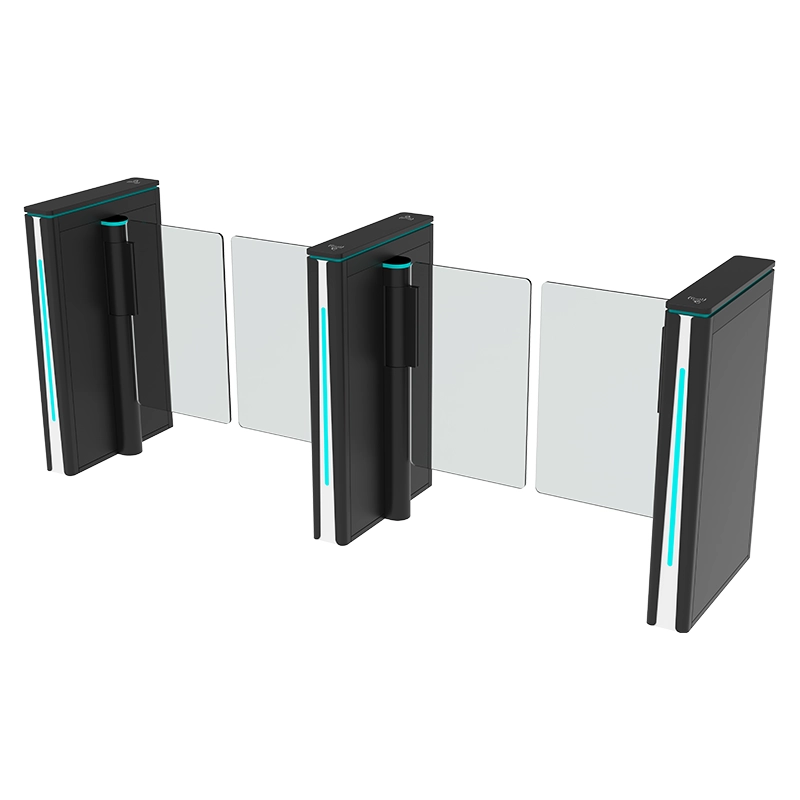
In a commercial building lobby, for example, sleek speed gates can convey a modern and secure image. They manage employee access and visitor flow without creating a harsh or unwelcoming environment.
Enhancing Professional Image and Aesthetics
The main lobby serves as the building’s first impression. Turnstiles can significantly contribute to a professional and modern image. They combine security with sophisticated design.
- Sleek and Modern Designs: Contemporary turnstiles, especially speed gates, feature elegant finishes. They use materials like tempered glass and polished stainless steel.
- Customization for Architectural Harmony: Many turnstiles offer customization options. These include different materials, colors, and design elements. This allows them to blend seamlessly with the building’s interior architecture.
- Technological Sophistication: The integration of advanced access technologies, such as facial recognition or QR code scanners, projects a high-tech and forward-thinking image.
- Orderly Entrance Presentation: Turnstiles create a structured and organized entry point. This immediately conveys a sense of professionalism and efficiency to visitors and occupants.
These aesthetic and technological considerations help maintain a welcoming yet secure atmosphere in high-profile building lobbies.
Streamlining Visitor Management Processes
Managing visitors in a busy lobby can be challenging. Turnstiles simplify and automate much of this process. This makes it more efficient and secure for everyone.
- Automated Visitor Check-in: Visitors can use pre-registered QR codes, mobile passes, or temporary access cards for rapid entry. This reduces manual processing time.
- Integration with Visitor Management Systems: Turnstiles connect with specialized software. This software manages visitor registrations, issues temporary credentials, and tracks their presence within the building.
- Reduced Front Desk Workload: Automating visitor verification frees up reception staff. They can focus on providing customer service rather than manual access control.
- Clear Entry Procedures: Turnstiles establish a consistent and clear procedure for all entries. This minimizes confusion and ensures a smooth flow for both regular occupants and guests.
Efficient visitor management through turnstiles enhances the experience for guests. It also improves the security posture of the building.
Robust Security at the First Point of Entry
The lobby is a critical security zone. Turnstiles provide a primary layer of defense against unauthorized access. This protects the entire building.
- Primary Security Barrier: They act as the initial physical barrier. This restricts access to only authorized individuals immediately upon entering the building.
- Controlled Access Enforcement: Turnstiles ensure that only those with valid credentials can proceed beyond the lobby. This prevents unauthorized personnel from reaching internal areas.
- Deterrence of Intruders: The visible presence of turnstiles serves as a strong deterrent. It signals a secure environment to potential unauthorized individuals.
- Detailed Entry Logs: All passages through the lobby turnstiles are recorded. This creates a precise audit trail for security purposes, aiding in incident investigation if needed.
By securing the main lobby effectively, turnstiles play a vital role in the overall security strategy of any building. They provide peace of mind to occupants and management.
My Insights: Exploring the Uses and Benefits of Full Height Turnstiles
Need robust security solutions for controlling entry points? Discover how full height turnstiles enhance security and manage pedestrian flow.
Full height turnstiles provide high security by allowing only one person at a time, minimizing unauthorized entry and tailgating. They integrate with access control systems, proving durable for both indoor and outdoor installations.
Enhancing Security with Full Height Turnstiles
Key Uses and Benefits
| Aspect | Details |
|---|---|
| Security Enhancement | Prevents unauthorized entry and tailgating with floor-to-ceiling barriers |
| Integration and Monitoring | Seamlessly integrates with access systems for efficient tracking |
| Durability | Built to withstand harsh conditions, ensuring long-term reliability |
Applications Across Different Environments
Full height turnstiles are ideal for high-security facilities, including prisons, data centers, and military sites. They provide strong visual deterrents and control pedestrian flow in industrial areas, stadiums, and secure facilities, enhancing overall site safety.
Balancing Security and Convenience
While they offer unmatched security, full height turnstiles may not suit areas requiring high-speed public access. For lower-security environments, alternative turnstile options can offer more convenience. Understanding specific site needs helps in selecting the most appropriate security solution.
Conclusion
Full-height turnstiles offer a powerful combination of enhanced security and efficient access control. They deter unauthorized entry, manage pedestrian flow, and reduce operational costs. This makes them a valuable investment.
](https://aipadaturnstile.com/wp-content/uploads/2025/11/AT107-TC-01.webp)
](https://aipadaturnstile.com/wp-content/uploads/2025/12/vertical-tripod-turnstile.jpg)
](https://aipadaturnstile.com/wp-content/uploads/2025/12/popup-img.jpg)