
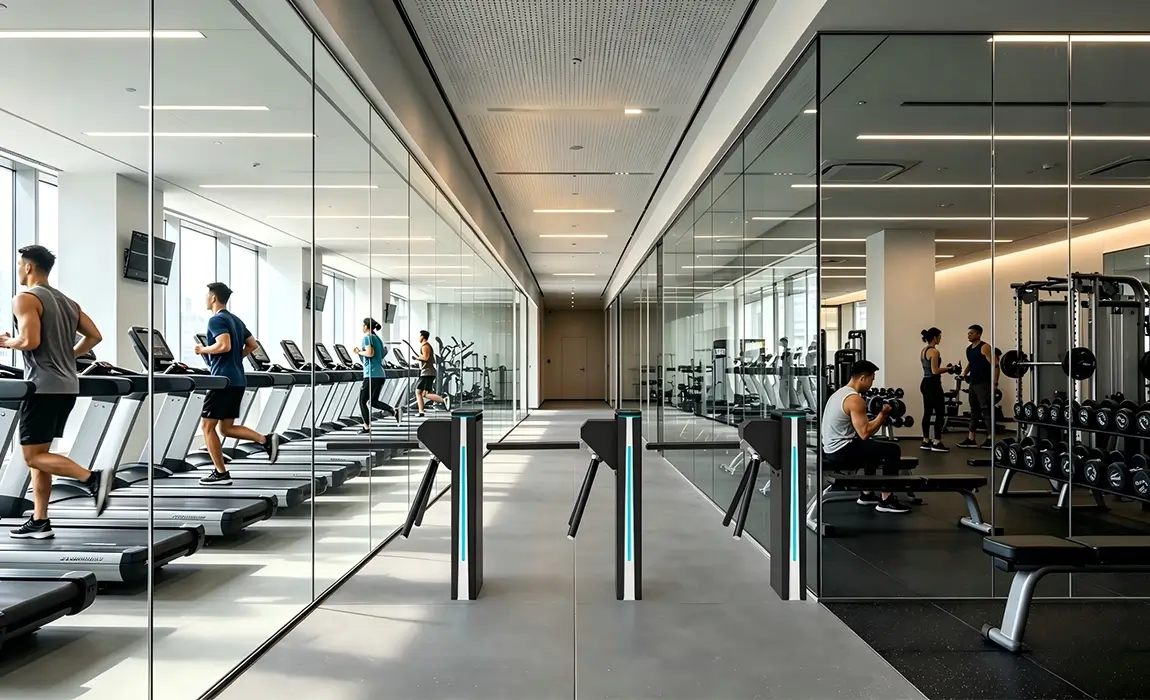

When planning a pedestrian access control project, one of the most common questions buyers ask is: Tripod Turnstile vs Speed Gate: which access control gate should you choose? Both solutions are widely used in office buildings, factories, commercial centers, schools, gyms, construction sites, transportation hubs, and public facilities. However, they are designed for different levels of security, traffic flow, budget, entrance image, and user experience.
A Tripod Turnstile is usually the more cost-effective, durable, and compact option for basic pedestrian access control. It uses a three-arm rotating mechanism to allow one authorized person to pass at a time. A Speed Gate, on the other hand, is a more premium and modern entrance solution. It usually uses swing or sliding glass panels, infrared sensors, and automatic opening systems to provide faster, smoother, and more elegant passage.
For many projects, choosing between a tripod turnstile and a speed gate is not simply about which product is “better.” The right choice depends on your installation environment, daily traffic volume, security requirements, available space, access control method, design expectations, and total project budget.
As a professional Tripod Turnstile Factory and turnstile gate manufacturer, AIPADA Turnstile provides a full range of pedestrian access control solutions, including tripod turnstiles, swing turnstiles, flap barrier turnstiles, speed gates, sliding turnstiles, drop arm turnstiles, and full-height turnstiles. With a design team with over 20 years of industry experience and technical engineers with more than 16 years of experience, AIPADA supports standard products, OEM/ODM customization, software docking, access control integration, installation drawings, and global delivery.
In this complete guide, we will compare tripod turnstiles and speed gates from every important angle, including structure, cost, security, appearance, traffic flow, integration, applications, maintenance, and product recommendations.
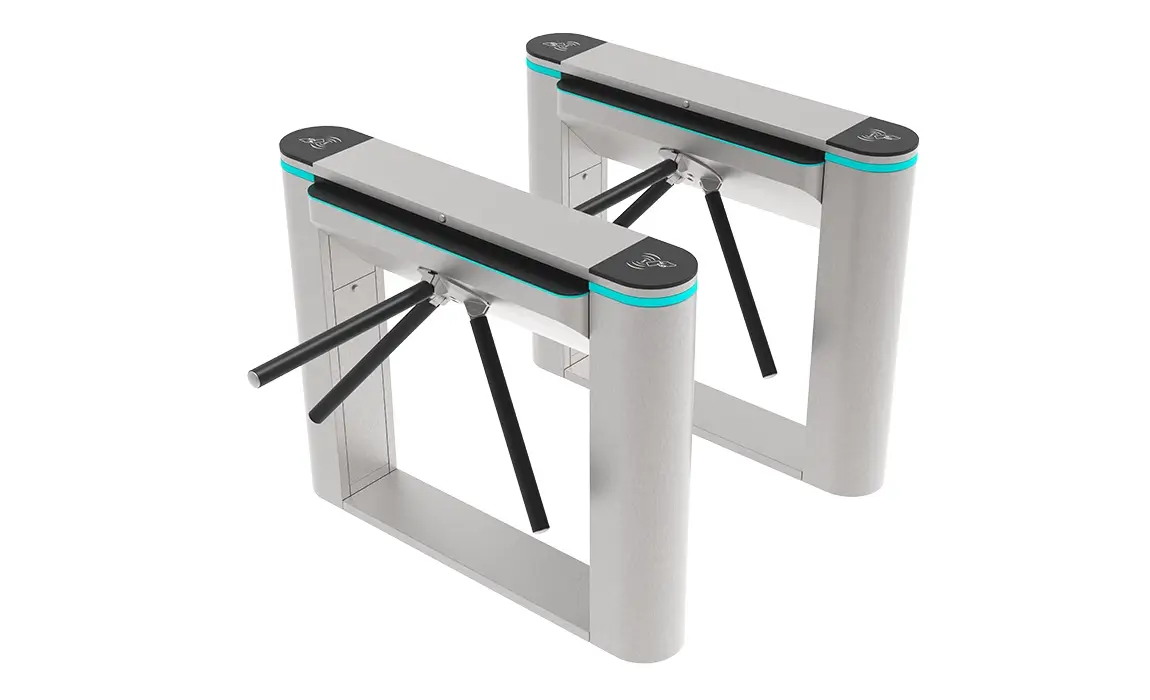
What Is a Tripod Turnstile?
A Tripod Turnstile is a pedestrian access control gate with three rotating arms. After a valid authorization signal is received, the mechanism unlocks and allows one person to pass through by pushing the arm forward. Once the person passes, the arm rotates back into position and the system locks again.
Tripod turnstiles are widely used because they are practical, reliable, compact, and affordable. They are especially suitable for locations that require controlled entry and exit, employee attendance management, ticket checking, visitor control, and basic anti-tailgating access management.
A standard tripod turnstile usually includes:
- Stainless steel or painted steel cabinet
- Three-arm rotating mechanism
- Control board
- Semi-automatic or fully automatic mechanism
- Access control interface
- LED indicator or direction indicator
- Optional card reader, QR code scanner, fingerprint reader, or face recognition terminal
- Emergency drop-arm function
- Power-off auto-drop function
- Optional remote control function
For example, AIPADA’s tripod turnstile models can support RFID card readers, QR code scanners, face recognition terminals, fingerprint scanners, visitor management systems, and existing third-party access control systems. This makes them suitable for many industries, from factories and schools to gyms and commercial buildings.
A tripod turnstile is often selected when the project requires a good balance between access control security and cost efficiency. Compared with speed gates, tripod turnstiles usually have simpler structures, lower maintenance requirements, and better adaptability for semi-outdoor or industrial environments.
What Is a Speed Gate?
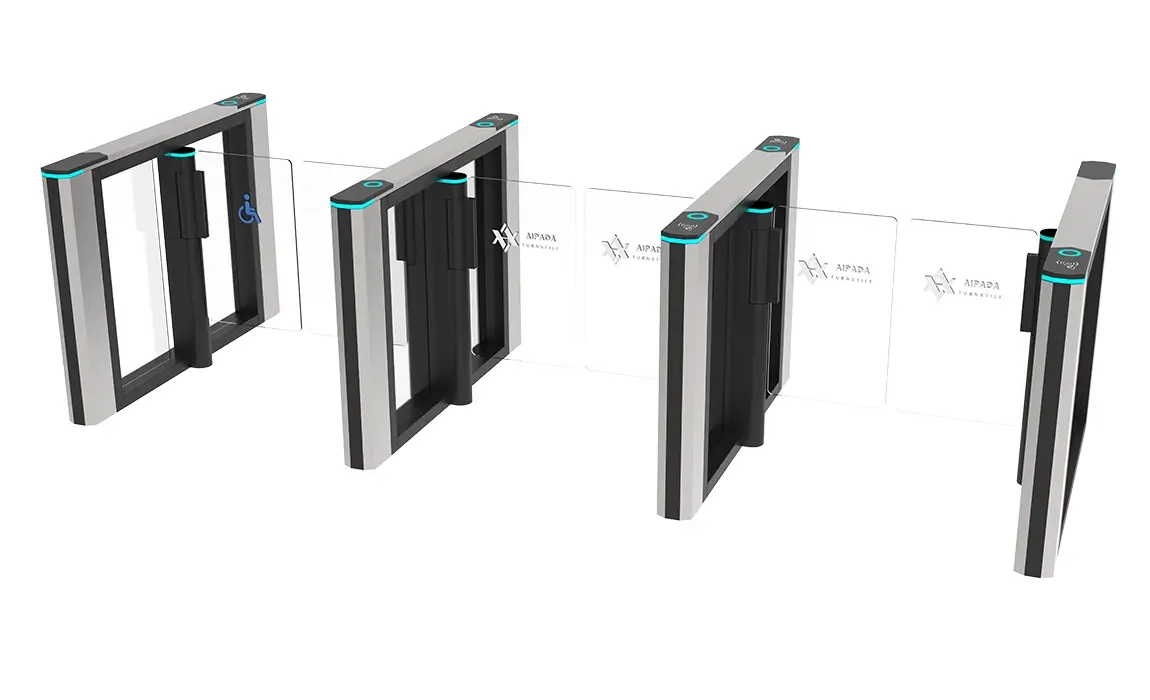
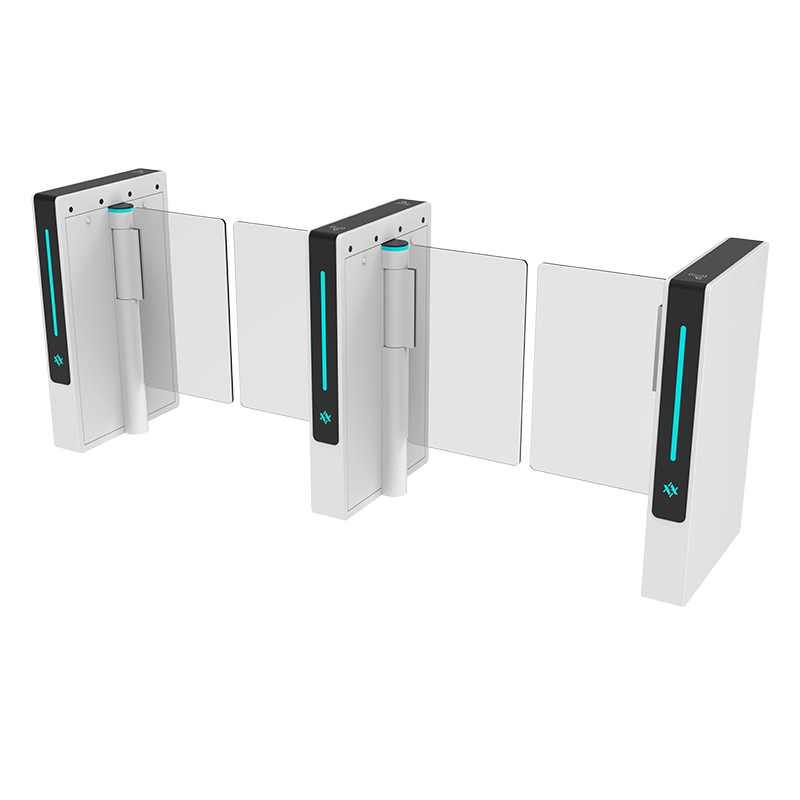
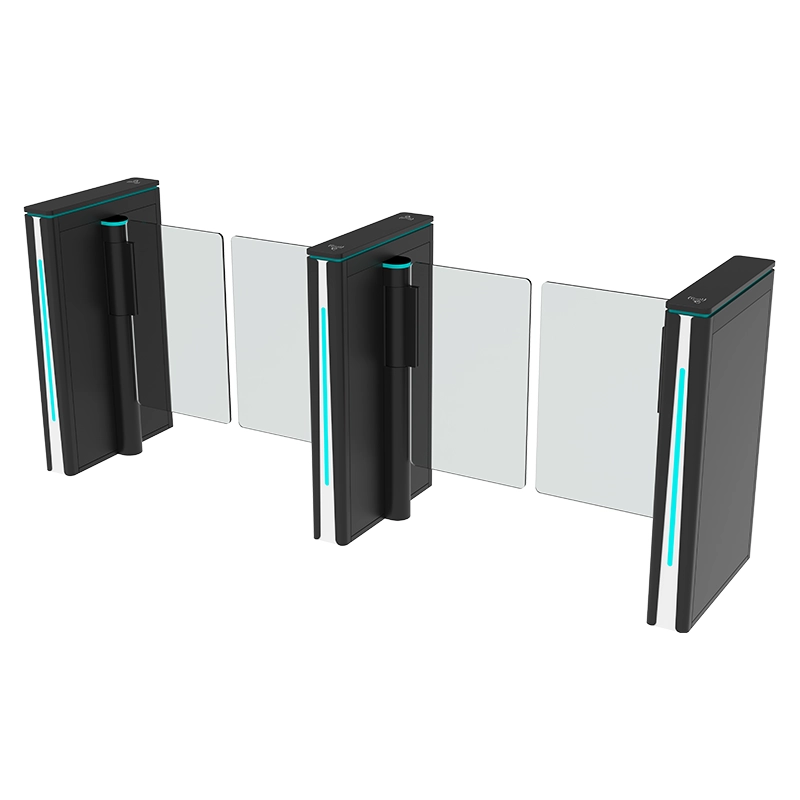
A Speed Gate is a modern automatic pedestrian access control gate designed for fast and smooth passage. Unlike tripod turnstiles, which use rotating metal arms, speed gates usually use swing panels, sliding panels, or glass barriers that open automatically after successful authentication.
Speed gates are commonly installed in high-end office buildings, corporate headquarters, banks, hotels, government buildings, airports, metro stations, premium commercial centers, and smart buildings. They are popular in locations where entrance appearance, passage speed, and user experience are very important.
A speed gate usually includes:
- Stainless steel cabinet
- Tempered glass or acrylic barrier panels
- Automatic motor drive system
- Infrared sensors
- Anti-tailgating detection
- Anti-pinch protection
- Direction indicators
- Alarm system
- Access control interface
- Face recognition, RFID, QR code, or visitor system integration
The biggest advantage of a speed gate is its user experience. When a user completes authentication, the panels open automatically and quickly, allowing the person to walk through without pushing a mechanical arm. This creates a more premium, contactless, and efficient entrance experience.
However, speed gates normally cost more than tripod turnstiles. They also require more accurate installation, more professional debugging, and more careful maintenance because they include more electronic components, sensors, and motor systems.
Tripod Turnstile vs Speed Gate: Quick Comparison Table
The table below gives a quick overview of the main differences between a tripod turnstile and a speed gate.
| Comparison Factor | Tripod Turnstile | Speed Gate |
|---|---|---|
| Working Principle | Three rotating arms control passage | Automatic swing or sliding panels open and close |
| Appearance | Practical, compact, industrial or commercial style | Modern, premium, elegant, suitable for high-end lobbies |
| Cost | Lower purchase and installation cost | Higher product and installation cost |
| Passage Speed | Medium, usually suitable for controlled flow | Fast, suitable for high-traffic entrances |
| Security Level | Basic to medium access control | Medium to high intelligent access control |
| Anti-Tailgating | Mechanical one-person-one-pass control | Better detection with infrared sensors |
| User Experience | User pushes arm to pass | Automatic and contactless passage |
| Installation Space | Compact footprint | Requires more accurate lane planning |
| Maintenance | Simple and low-cost | More sensors and motors require professional maintenance |
| Access Control Integration | RFID, QR code, fingerprint, face recognition, remote control | RFID, QR code, fingerprint, face recognition, visitor system, elevator control |
| Best Applications | Factories, construction sites, schools, gyms, stadiums, ticketing entrances | Office buildings, hotels, banks, corporate headquarters, smart buildings |
| Budget Suitability | Best for cost-sensitive projects | Best for premium projects with higher budget |
In general, a Tripod Turnstile is the better option for projects that need durable, economical, and practical access control. A Speed Gate is better for projects that require high-end appearance, faster passage, and a more advanced user experience.
Key Differences Between Tripod Turnstile and Speed Gate
Understanding the core differences between a tripod turnstile and a speed gate will help you choose the right product for your project.
Structure and Working Principle
A Tripod Turnstile uses a three-arm rotating structure. When a user presents a valid card, QR code, fingerprint, or face recognition verification, the control system sends an opening signal. The mechanism unlocks, and the user pushes the arm to pass through. After the passage is completed, the turnstile automatically resets and locks.
This mechanical structure is simple, reliable, and durable. It is especially suitable for environments where long-term stability and low maintenance are more important than luxury appearance.
A Speed Gate uses automatic doors, swing panels, or sliding panels. After successful authentication, the panels open automatically and close after the user passes through. Infrared sensors detect pedestrian movement, tailgating, reverse passage, and abnormal entry.
The speed gate is more intelligent and automatic, but it also has more electronic components. This means installation and maintenance usually require more professional technical support.
Appearance and Building Image
Appearance is one of the most important differences between tripod turnstiles and speed gates.
A tripod turnstile has a practical and compact design. It is often used in factories, schools, gyms, construction sites, parks, scenic areas, and stadiums. Modern tripod turnstiles can also be designed with stainless steel, iron baking paint, brushed finish, polished finish, electroplating finish, or custom colors to match different environments.
A speed gate usually has a more premium appearance. With glass panels, LED indicators, streamlined stainless steel cabinets, and modern design language, speed gates are better suited for office lobbies, banks, hotels, business centers, and corporate headquarters.
If your entrance is part of your corporate image, a speed gate may create a more professional first impression. However, if your project focuses on practicality, durability, and budget control, a tripod turnstile may be more suitable.
Passage Speed and User Experience
Passage speed is another key factor.
A Tripod Turnstile generally supports a pass rate of around 30–40 people per minute, depending on the model, access control method, user behavior, and site layout. For most factories, gyms, schools, and ordinary commercial facilities, this is sufficient.
A Speed Gate is usually faster because it opens automatically and users do not need to push any arm. It is ideal for office rush hours, metro stations, exhibition centers, and large commercial buildings where many people enter and exit within a short time.
From the user experience perspective, speed gates feel smoother and more contactless. Tripod turnstiles feel more controlled and mechanical. Therefore, the choice depends on whether your project prioritizes efficiency and comfort or cost and physical control.
Security and Anti-Tailgating Performance
Both tripod turnstiles and speed gates can improve entrance security, but they do so in different ways.
A Tripod Turnstile physically limits passage with three rotating arms. This structure naturally supports one-person-one-pass access. It helps prevent unauthorized people from walking freely through an entrance. However, because the arm height is limited, people may still attempt to climb over or bypass the turnstile if the surrounding environment is not properly protected.
A Speed Gate relies more on infrared sensors and intelligent detection. It can identify tailgating, reverse passage, unauthorized entry, forced entry, and abnormal behavior. When abnormal access is detected, the system can trigger sound and light alarms.
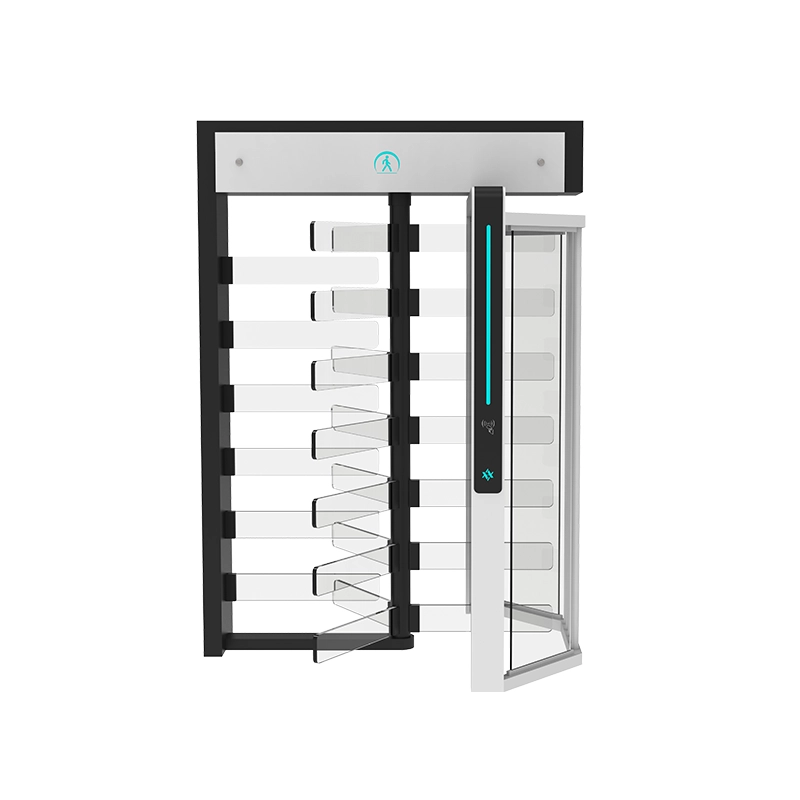
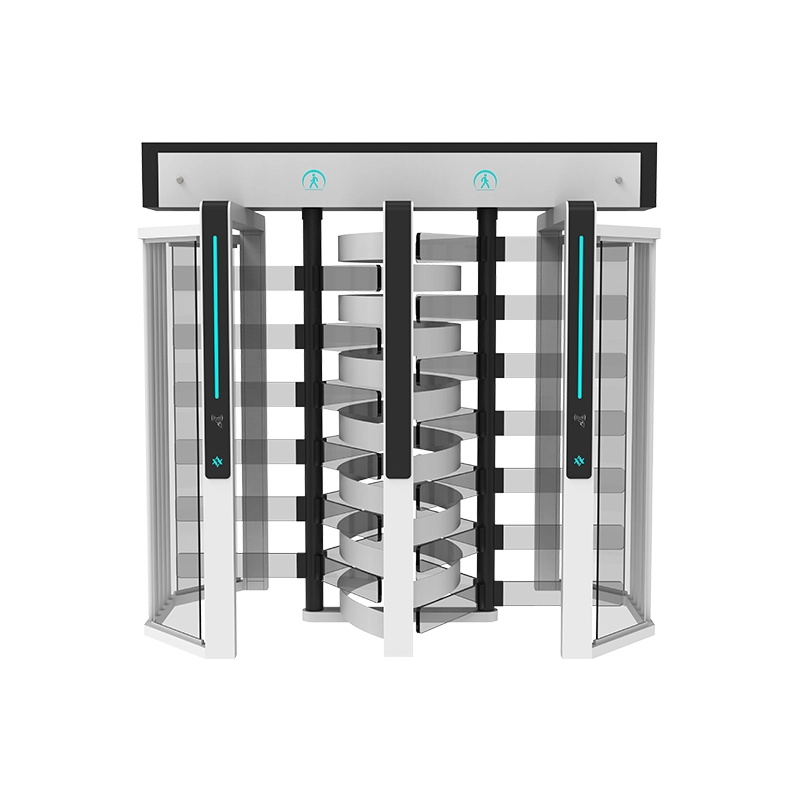
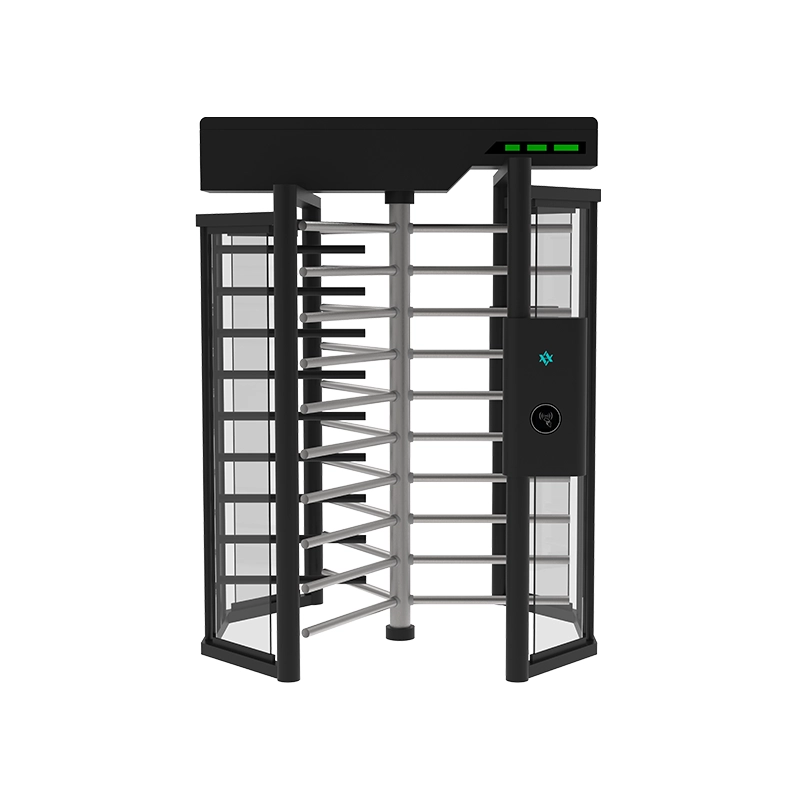
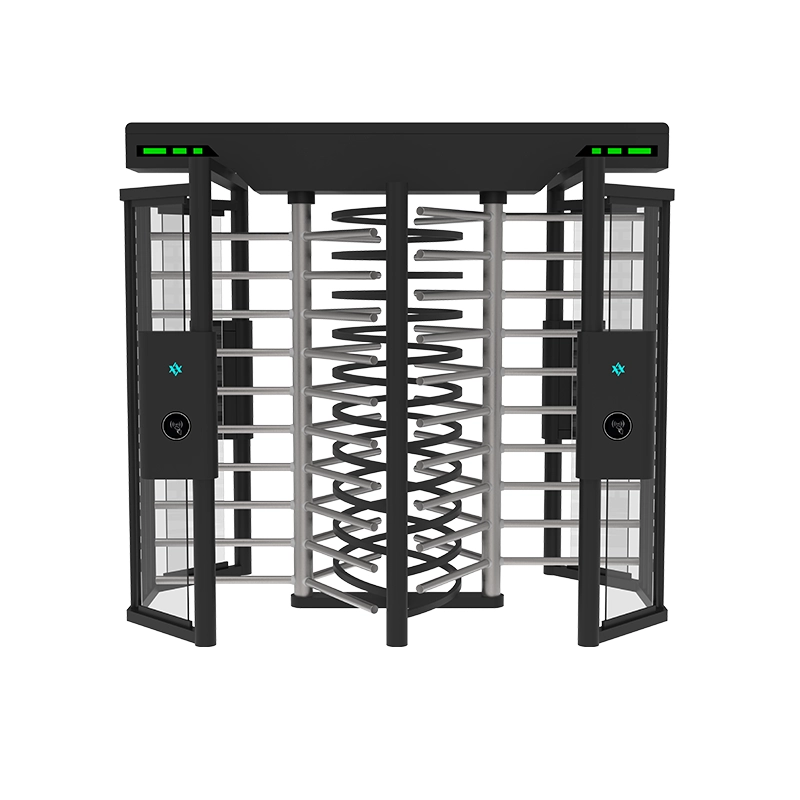
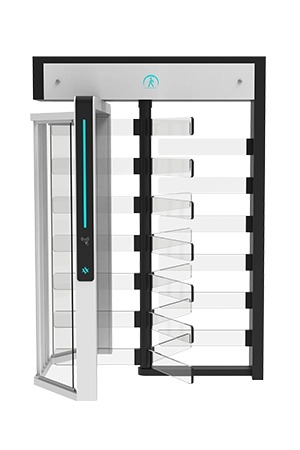
However, if your project requires very high physical security, such as prisons, military facilities, power plants, or high-risk restricted areas, neither a standard tripod turnstile nor a normal speed gate may be enough. In that case, a full-height turnstile may be more suitable.
For general commercial and industrial access control, tripod turnstiles and speed gates are both effective, but the choice depends on whether you need mechanical blocking or intelligent detection.
Cost and Budget
Cost is often the most decisive factor in access control projects.
A Tripod Turnstile is usually more affordable than a speed gate because its structure is simpler. It uses fewer sensors, fewer motorized components, and a more compact cabinet. This makes it a strong choice for projects that need multiple lanes or large-scale deployment.
Typical cost advantages of tripod turnstiles include:
- Lower unit price
- Lower installation cost
- Lower maintenance cost
- Easier replacement of parts
- More suitable for bulk purchasing
- Better for factories, schools, gyms, and construction sites
A Speed Gate has a higher cost because it requires more advanced motor systems, sensors, control logic, glass panels, and precise manufacturing. It also requires more careful installation and calibration.
When comparing cost, buyers should not only compare the product price. The total project cost may include:
- Turnstile gate quantity
- Access control devices
- Card readers or face recognition terminals
- Visitor management software
- Wiring and installation
- Shipping
- Taxes
- Custom design
- Maintenance and after-sales support
If the budget is limited, tripod turnstiles are usually the more cost-effective solution. If the project requires a high-end entrance image and premium user experience, speed gates may be worth the higher investment.
Installation Space and Lane Design
Tripod turnstiles are generally compact. They can be installed in narrow spaces, factory entrances, gym reception areas, school gates, and temporary event entrances. Some tripod turnstiles can also be equipped with guardrails, bases, and optional casters for flexible installation.
Speed gates require more space and more accurate lane planning. Since they use sensors and automatic panels, the installation area must be carefully measured. The entrance layout should consider pedestrian flow, wiring, lane width, emergency evacuation, and disabled access.
Before choosing a product, you should confirm:
- What is the entrance width?
- How many lanes are required?
- Is one-way or two-way traffic needed?
- Is wheelchair access required?
- Is the gate installed indoors, outdoors, or semi-outdoors?
- Is there enough space for wiring and maintenance?
- Do you need guardrails or movable bases?
- How many people pass during peak hours?
A professional turnstile manufacturer can provide layout drawings, installation drawings, and project recommendations based on your actual site.
Access Control Integration
Both tripod turnstiles and speed gates can integrate with modern access control systems.
Common integration options include:
- RFID card readers
- IC/ID card readers
- Employee access badges
- QR code scanners
- Barcode scanners
- Fingerprint scanners
- Face recognition terminals
- Visitor management systems
- Attendance systems
- Ticketing systems
- Remote control systems
- Fire alarm systems
- Third-party access control controllers
AIPADA turnstiles use standard access control interfaces and can connect with many third-party systems. If you already have an access control system, you can provide your equipment dimensions and technical requirements, and AIPADA can help make the turnstile compatible with your devices.
Tripod turnstiles are often used for employee attendance and basic access control. Speed gates are often used for high-end visitor management, smart building systems, and face recognition access control.
Pros and Cons of Tripod Turnstiles
Advantages of Tripod Turnstiles
A Tripod Turnstile offers many practical benefits for access control projects.
The main advantages include:
- Cost-effective solution for pedestrian access control
- Durable mechanical structure
- Compact size and space-saving design
- Easy installation and maintenance
- Suitable for one-person-one-pass control
- Can integrate with RFID, QR code, fingerprint, and face recognition
- Suitable for indoor, semi-outdoor, and some outdoor applications
- Good for employee attendance and visitor management
- Lower operating and maintenance costs
- Suitable for bulk purchasing and large projects
- Can support emergency drop-arm function
- Can support unidirectional or bidirectional traffic
- Customizable materials, colors, surface finishes, and branding
A tripod turnstile is especially valuable when the project needs a reliable and economical entrance control system without overcomplicating the installation.
Disadvantages of Tripod Turnstiles
Tripod turnstiles also have some limitations.
Common disadvantages include:
- Appearance is usually less premium than speed gates
- Users need to push the arm manually in semi-automatic models
- Passage speed is lower than speed gates
- Not ideal for luxury lobbies or high-end hotels
- Not convenient for wheelchairs, luggage, or strollers
- Anti-tailgating detection is more basic than sensor-based speed gates
- May require additional guardrails for better lane control
- May require a separate swing gate for disabled access
For many projects, these limitations can be solved by proper planning. For example, a tripod turnstile can be installed together with a swing gate to provide disabled access, luggage passage, or emergency passage.
Pros and Cons of Speed Gates
Advantages of Speed Gates
Speed gates are widely chosen for premium access control projects.
Their main advantages include:
- Modern and high-end appearance
- Fast automatic opening and closing
- Smooth and contactless user experience
- Better for office rush hours and high traffic
- Better sensor-based anti-tailgating detection
- Good integration with face recognition and visitor systems
- Suitable for corporate headquarters and smart buildings
- More elegant for front desk and lobby environments
- Can support wider lanes for luggage and wheelchair access
- Enhances brand image and entrance professionalism
Speed gates are ideal when the entrance is not only a security checkpoint but also part of the building’s image.
Disadvantages of Speed Gates
Speed gates also have disadvantages.
The main limitations include:
- Higher purchase cost
- Higher installation cost
- More complex wiring and debugging
- More sensors and electronic components
- Higher maintenance requirements
- Usually more suitable for indoor environments
- Requires accurate lane planning
- May be unnecessary for basic access control projects
- Not always the best choice for industrial or harsh environments
If your project is highly budget-sensitive or requires simple, rugged access control, a tripod turnstile may be a better choice.
Which One Is Better for Different Applications?
Different scenarios require different access control solutions. Below are common application recommendations.
Office Buildings
For modern office buildings, speed gates are usually the preferred option because they provide a premium appearance, fast passage, and better integration with visitor management systems.
However, a modern tripod turnstile can also be used in office buildings when the budget is limited or when the entrance is not the main lobby. For example, tripod turnstiles can be installed at staff entrances, parking building entrances, service corridors, or internal access points.
Recommended choice:
- Premium office lobby: Speed Gate
- Staff entrance or budget office project: Tripod Turnstile
Factories
For factories and industrial parks, a Tripod Turnstile is usually the better choice. Factories often need reliable attendance management, employee access control, and visitor registration at workshop entrances.
Tripod turnstiles are suitable for factories because they are:
- Durable
- Cost-effective
- Easy to maintain
- Suitable for employee attendance
- Compatible with face recognition and card systems
- Good for multi-lane deployment
- Suitable for semi-outdoor entrances
Recommended choice: Tripod Turnstile
Construction Sites
Construction sites often require real-name attendance tracking, labor management, and controlled site access. A tripod turnstile is a practical option because it is affordable, easy to install, and can be integrated with face recognition or ID card systems.
For higher security construction sites, a full-height turnstile may also be considered.
Recommended choice:
- Standard construction site: Tripod Turnstile
- Higher security construction site: Full-Height Turnstile
Gyms and Fitness Centers
Gyms and fitness clubs often use tripod turnstiles to manage member access. Members can enter by swiping a card, scanning a QR code, using a fingerprint scanner, or using face recognition.
For premium gyms, speed gates can create a more high-end entrance experience. For ordinary gyms, tripod turnstiles are usually more cost-effective.
Recommended choice:
- Budget or standard gym: Tripod Turnstile
- Premium fitness club: Speed Gate
Schools and Universities
Schools and universities need to control access to dormitories, libraries, teaching buildings, dining halls, and campus entrances.
Tripod turnstiles are suitable for most campus areas because they are economical and easy to manage. Speed gates can be used in main entrances, libraries, or administrative buildings where appearance and traffic speed are more important.
Recommended choice:
- Dormitory and teaching buildings: Tripod Turnstile
- Library and main entrance: Speed Gate
Hotels, Banks and Corporate Headquarters
Hotels, banks, and corporate headquarters usually require a higher-end entrance design. Speed gates are often the better choice because they look more modern and provide a smoother user experience.
However, tripod turnstiles can still be used for staff-only entrances, back-office access points, or service areas.
Recommended choice:
- Main lobby: Speed Gate
- Staff entrance: Tripod Turnstile
Stadiums, Scenic Spots and Ticketing Entrances
Stadiums, scenic spots, amusement parks, and exhibition halls often need ticket checking and crowd control. Both tripod turnstiles and speed gates can be used depending on traffic volume and budget.
Tripod turnstiles are often selected for ticketing because they support one-person-one-ticket control and can integrate with QR code scanners or barcode scanners.
Recommended choice:
- Cost-effective ticketing entrance: Tripod Turnstile
- High-volume premium entrance: Speed Gate
Cost Comparison: Tripod Turnstile vs Speed Gate
Initial Purchase Cost
A tripod turnstile usually has a lower initial purchase cost. This makes it a better option for projects that require multiple entrance lanes or large-scale installation.
A speed gate has a higher purchase cost because of its automatic panels, motor system, sensors, and premium appearance.
Installation Cost
Tripod turnstiles are generally easier to install. Some models can be installed with fixed bases, guardrails, or movable bases with casters. This makes them practical for temporary projects, events, and construction sites.
Speed gates require more precise installation. The floor condition, wiring, sensor alignment, and lane distance must be carefully controlled.
Maintenance Cost
Tripod turnstiles usually have lower maintenance costs because the mechanical structure is simpler. Many models are designed for long-term stable operation and easy maintenance.
Speed gates require more professional maintenance because of their sensors, motors, and automatic panels.
Total Project Cost
When calculating the total project cost, you should consider:
| Cost Item | Tripod Turnstile | Speed Gate |
|---|---|---|
| Product Cost | Lower | Higher |
| Installation Cost | Lower | Higher |
| Maintenance Cost | Lower | Higher |
| Customization Cost | Moderate | Moderate to High |
| Access Control Integration | Flexible | Flexible |
| Best Budget Fit | Low to medium budget | Medium to high budget |
| Long-Term Value | Strong durability and low cost | Better image and user experience |
If budget control is your top priority, a tripod turnstile is usually the smarter choice. If entrance image and user experience are more important, a speed gate can provide better long-term value.
Security Comparison: Which Gate Is More Secure?
Security depends on the type of risk you want to control.
A tripod turnstile provides physical one-person-one-pass control. It helps prevent unauthorized entry by forcing each person to pass through the rotating arm structure. It is very useful for basic access control, attendance management, and ticket checking.
A speed gate provides intelligent detection. It can use infrared sensors to identify tailgating, reverse entry, unauthorized passage, and abnormal movement. It is better for environments where smart alarm detection is required.
For most commercial and industrial applications:
- Choose a tripod turnstile for cost-effective physical access control.
- Choose a speed gate for smarter detection and premium access control.
- Choose a full-height turnstile for high physical security.
AIPADA tripod turnstiles can also support security functions such as anti-reverse passage, intrusion prevention, automatic reset, emergency drop-arm, lightning protection, leakage protection, and optional voice prompt functions.
Access Control Integration: RFID, QR Code and Face Recognition
Modern access control is not only about the gate itself. The gate must work smoothly with identification systems.
AIPADA tripod turnstiles can support multiple authentication methods, including:
- RFID card access
- IC/ID card access
- QR code scanning
- Temporary visitor QR codes
- Face recognition
- Fingerprint recognition
- Touch button
- Remote control
- Third-party access control systems
This flexibility allows a tripod turnstile to be used in many different projects.
Which Gate Is Better for RFID Access Control?
Both tripod turnstiles and speed gates can support RFID card readers. If you need a cost-effective employee access system, a tripod turnstile is usually the better option.
Which Gate Is Better for Face Recognition?
Both products can support face recognition. Speed gates offer a more contactless and premium experience, while tripod turnstiles provide a more economical solution for factories, schools, gyms, and construction sites.
Which Gate Is Better for QR Code Ticketing?
Tripod turnstiles are very suitable for QR code ticketing in scenic areas, stadiums, gyms, and event venues. Speed gates are better for high-flow entrances that require faster movement.
Recommended Tripod Turnstile Products from AIPADA
As a professional Tripod Turnstile Factory, AIPADA offers different tripod turnstile models for different project requirements. Below are two recommended products for buyers who need reliable, customizable, and cost-effective pedestrian access control.
Recommended Product 1: AT116 Modern Commercial Tripod Turnstile for Secure Pedestrian Access
The AT116 Modern Commercial Tripod Turnstile is designed for secure pedestrian access in modern commercial environments. It combines a sleek appearance, durable materials, smart access control compatibility, and reliable performance.
Key specifications include:
| Specification | AT116 Tripod Turnstile |
|---|---|
| Product Dimensions | 1470 × 150 × 970 mm |
| Standard Channel Width | 550 mm |
| Arm Length | 510 mm |
| Material | Iron powder coating + 304 stainless steel; 316 stainless steel customizable |
| Surface Treatment | Brushed, polished, electroplating, baking paint customizable |
| Turnstile Type | Semi-automatic standard; fully automatic customizable |
| Pass Rate | 30–40 people per minute |
| Power Supply | AC100V–240V input; DC24V/DC12V output |
The AT116 is especially suitable for office lobbies, corporate campuses, premium business centers, gyms, factories, schools, and commercial entrances. It supports fire linkage integration, anti-pinch and buffer protection, power-off auto-drop, intrusion and tailgating alarms, blacklist interception, adjustable reset delay, remote management, and compatibility with RFID, QR code, fingerprint, face recognition, and visitor management systems.
This model is a good choice if you need a modern tripod turnstile with a longer body design, strong commercial appearance, and flexible customization options.
Recommended Product 2: AT101 Entrance Control Tripod Turnstile Factory Model
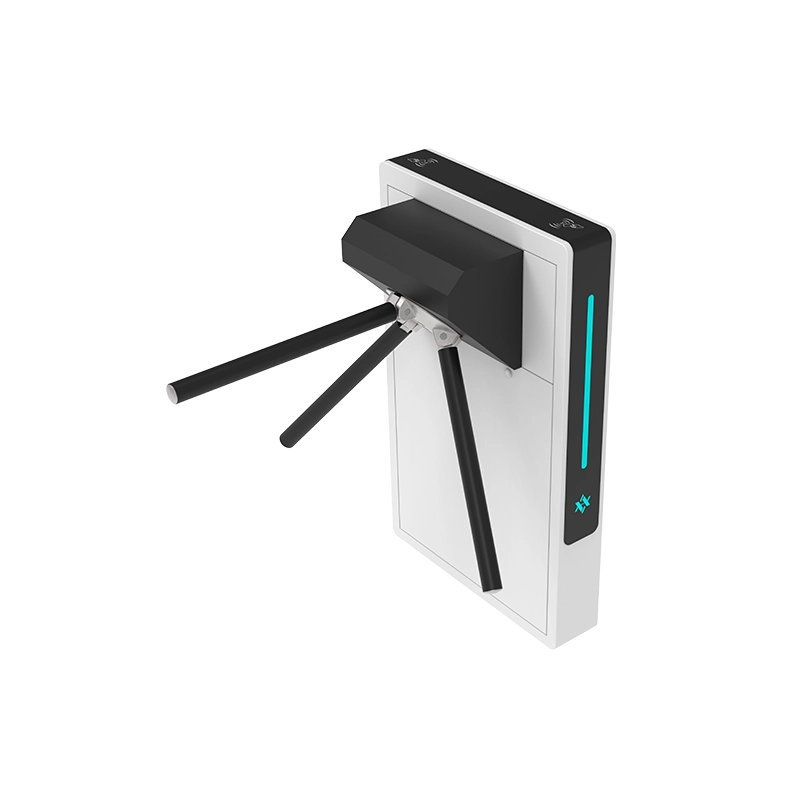
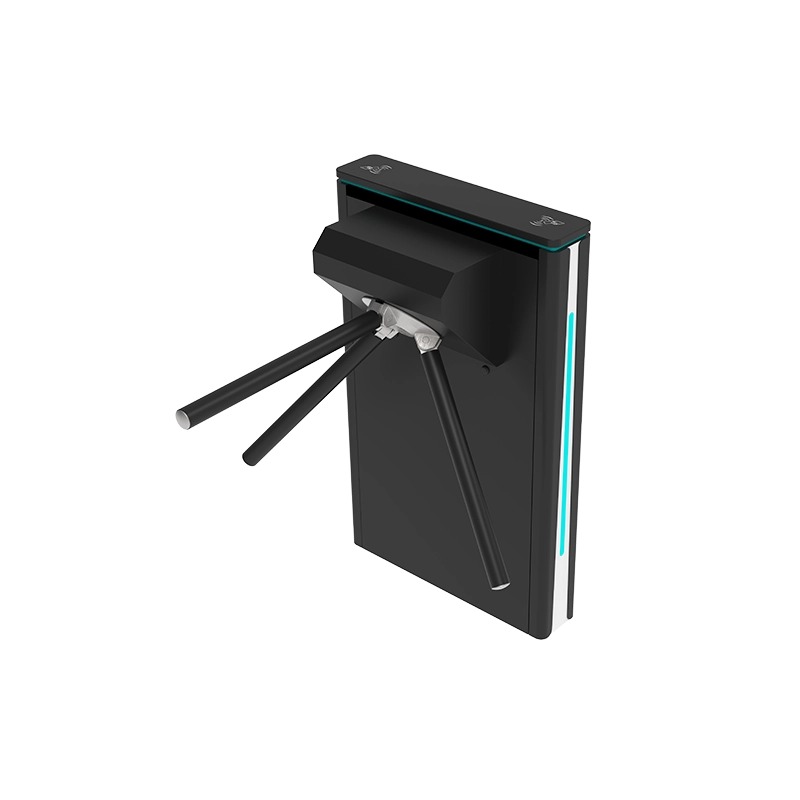
The AT101 Entrance Control Tripod Turnstile is a compact vertical tripod turnstile designed for entrance control projects that require reliable security, flexible integration, and space-saving installation.
Key specifications include:
| Specification | AT101 Tripod Turnstile |
|---|---|
| Product Dimensions | 420 × 280 × 980 mm |
| Standard Channel Width | 550 mm |
| Net Weight | 25 kg |
| Arm Length | 510 mm |
| Material | 304 stainless steel + iron paint; 316 stainless steel customizable |
| Surface Treatment | Brushed, polished, electroplating, baking paint customizable |
| Turnstile Type | Semi-automatic standard; fully automatic customizable |
| Pass Rate | 30–40 people per minute |
| Power Supply | AC100V–240V input; DC24V/DC12V output |
The AT101 is ideal for factories, offices, gyms, stadiums, schools, public transit hubs, and public venues. It supports emergency exit function, automatic arm drop during power failure, unidirectional or bidirectional traffic, automatic reset, anti-reverse passage, intrusion prevention, quick unlock, hydraulic damper, passage request memory, lightning protection, leakage protection, voice prompt customization, and development kit protocol support.
One important design advantage of the AT101 is its angled top control panel, which helps reduce glare and improve QR code scanning performance under bright lighting conditions. It can also support branding customization, including integrated readers and company logo placement.
This model is a strong choice if you need a compact, practical, and customizable tripod turnstile from a professional tripod turnstile manufacturer.
How to Choose Between a Tripod Turnstile and a Speed Gate
Choosing the right access control gate requires a clear understanding of your site and project goals.
Choose a Tripod Turnstile If You Need
You should choose a Tripod Turnstile if your project requires:
- Lower budget
- Durable structure
- Basic access control
- Employee attendance management
- Ticket checking
- Compact installation space
- Indoor or semi-outdoor installation
- Factory, construction site, school, gym, or stadium entrance
- Multiple lanes at a lower cost
- Easy maintenance
- Integration with card, QR code, fingerprint, or face recognition systems
A tripod turnstile is ideal when practicality and cost performance are more important than luxury appearance.
Choose a Speed Gate If You Need
You should choose a Speed Gate if your project requires:
- Premium entrance design
- Fast pedestrian flow
- High-end user experience
- Contactless passage
- Smart building integration
- Better sensor-based anti-tailgating detection
- Office lobby, hotel, bank, or headquarters entrance
- Visitor management system integration
- A more modern architectural appearance
A speed gate is ideal when the entrance is part of your brand image and user experience.
Ask These Questions Before Buying
Before buying a tripod turnstile or speed gate, ask these questions:
- What is the installation location?
- Is it indoor, outdoor, or semi-outdoor?
- What is the entrance width?
- How many lanes do you need?
- How many people pass per minute during peak hours?
- What is your project budget?
- Do you need RFID, QR code, fingerprint, or face recognition?
- Do you need visitor management software?
- Do you need attendance management?
- Do you need wheelchair or luggage access?
- Do you need fire alarm linkage?
- Do you need custom color, logo, or surface finish?
- Do you need installation drawings or layout design?
- Do you need OEM or ODM customization?
Answering these questions will make product selection much easier.
Final Recommendation: Tripod Turnstile or Speed Gate?
If your project needs a cost-effective, durable, and easy-to-maintain access control solution, a Tripod Turnstile is usually the better choice. It is ideal for factories, construction sites, schools, gyms, stadiums, scenic spots, public venues, and basic employee attendance management.
If your project needs a modern appearance, fast pedestrian flow, premium user experience, and intelligent sensor-based anti-tailgating detection, a Speed Gate is usually the better option. It is especially suitable for office buildings, hotels, banks, commercial buildings, government offices, and corporate headquarters.
For many projects, the best solution may also be a combination of different gates. For example, a building may use speed gates in the main lobby and tripod turnstiles at staff entrances. A factory may use tripod turnstiles at employee entrances and swing gates for wheelchair or goods passage.
The most important thing is to choose based on your real scenario, not just the product category.
Why Choose AIPADA as Your Tripod Turnstile Factory?
AIPADA is a professional turnstile manufacturer focused on R&D, production, and customization of pedestrian access control solutions. The company provides tripod turnstiles, speed gates, swing gates, flap barriers, sliding turnstiles, drop arm turnstiles, full-height turnstiles, and customized project turnstiles.
AIPADA’s key strengths include:
- Professional design team with 20+ years of experience
- Technical engineers with 16+ years of industry experience
- Product and project managers with 10+ years of experience
- Factory direct sales
- Strong custom development capabilities
- OEM and ODM services
- Software docking and integration support
- Access control system compatibility
- Renderings, layout drawings, and installation drawings
- Global shipping by sea or air
- Standard production cycle for hot-selling models
- Transparent pricing
- 24/7 response service
- Two-year warranty and maintenance support for turnstile products
Whether you need a standard tripod turnstile for a factory or a custom access control solution for a commercial building, AIPADA can provide design, production, integration, and technical support from one source.
FAQ: Tripod Turnstile vs Speed Gate
What is the main difference between a tripod turnstile and a speed gate?
The main difference is the structure and user experience. A tripod turnstile uses three rotating arms to control one-person-one-pass access. A speed gate uses automatic swing or sliding panels to provide faster and smoother passage. Tripod turnstiles are more economical and durable, while speed gates are more modern and premium.
Is a Tripod Turnstile cheaper than a speed gate?
Yes. A tripod turnstile is generally cheaper than a speed gate because it has a simpler mechanical structure, fewer sensors, and lower installation requirements. It is a good option for projects with limited budgets or multiple lanes.
Which is better for office buildings?
For premium office lobbies, speed gates are usually better because they offer a high-end appearance and faster user experience. For staff entrances, back doors, or budget office projects, tripod turnstiles can also be a practical choice.
Which is better for factories and construction sites?
A tripod turnstile is usually better for factories and construction sites because it is durable, cost-effective, easy to maintain, and suitable for employee attendance systems. It can integrate with RFID cards, QR codes, fingerprint scanners, and face recognition terminals.
Can a Tripod Turnstile work with face recognition?
Yes. A tripod turnstile can integrate with face recognition terminals. It can also support RFID card readers, IC/ID cards, QR code scanners, fingerprint readers, touch buttons, remote control systems, and visitor management systems.
Which gate is better for high traffic areas?
A speed gate is usually better for very high-traffic areas because it opens automatically and allows faster passage. However, tripod turnstiles with a pass rate of 30–40 people per minute can still meet the needs of many factories, gyms, schools, and ticketing entrances.
Can tripod turnstiles be used outdoors?
Many tripod turnstiles can be used in semi-outdoor or outdoor environments if the correct material, surface treatment, and protection level are selected. Stainless steel models with proper waterproof design are more suitable for outdoor use. A canopy is recommended for long-term outdoor installation.
Do speed gates require more maintenance than tripod turnstiles?
Usually yes. Speed gates include more sensors, motors, and automatic panels, so they require more professional installation and regular maintenance. Tripod turnstiles have simpler mechanical structures and are generally easier to maintain.
Which access control gate should I choose for a gym?
For most gyms, a tripod turnstile is a cost-effective choice. It can work with membership cards, QR codes, fingerprints, or face recognition. For premium fitness clubs that want a more modern entrance, a speed gate may be more suitable.
Why should I buy from a professional Tripod Turnstile Factory?
Buying from a professional Tripod Turnstile Factory gives you better quality control, customization support, technical guidance, integration assistance, installation drawings, and after-sales service. A factory like AIPADA can also support OEM/ODM projects, custom appearance, access control compatibility, and global delivery.
Conclusion: Build a Smarter Entrance with the Right Access Control Gate
Choosing between a Tripod Turnstile and a Speed Gate depends on your budget, security requirements, traffic volume, installation environment, and entrance image. If you need a durable, affordable, and practical solution, a tripod turnstile is usually the best choice. If you need a premium, fast, and contactless entrance experience, a speed gate may be more suitable.
As a professional Tripod Turnstile Factory and turnstile gate manufacturer, AIPADA Turnstile can help you choose the right solution for your project. Whether you need a compact entrance control tripod turnstile, a modern commercial tripod turnstile, or a complete customized access control system, our team can provide product recommendations, renderings, layout drawings, installation drawings, system integration support, OEM/ODM customization, and global delivery.
Need help choosing the right tripod turnstile or speed gate for your project? Contact AIPADA today with your entrance width, installation environment, daily traffic volume, access control method, and customization requirements. Our team will recommend a professional, cost-effective, and reliable pedestrian access control solution for your building, factory, school, gym, or commercial project.
](https://aipadaturnstile.com/wp-content/uploads/2025/11/AT107-TC-01.webp)
](https://aipadaturnstile.com/wp-content/uploads/2025/12/vertical-tripod-turnstile.jpg)
](https://aipadaturnstile.com/wp-content/uploads/2025/12/popup-img.jpg)