

Are current entry systems adequately protecting your premises from unauthorized access? Many organizations find that traditional swing gates present vulnerabilities, making it difficult to maintain robust security.
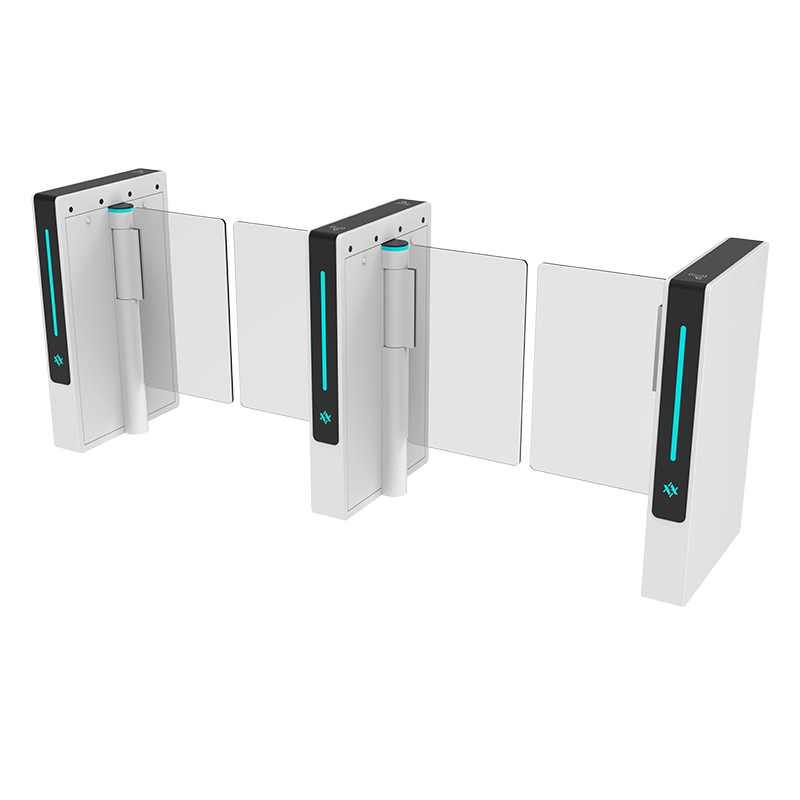
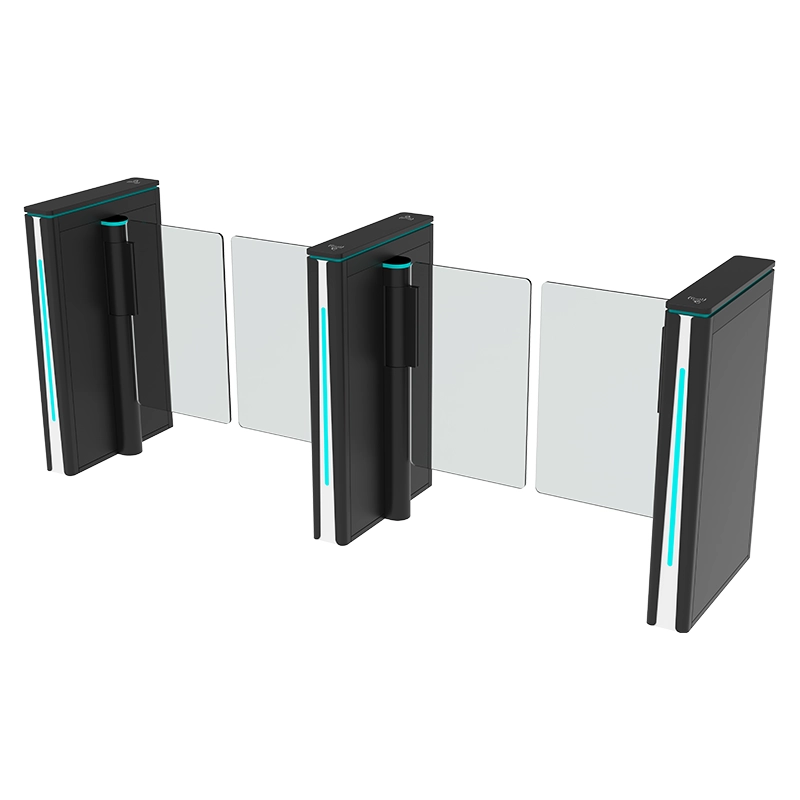
Speed gates enhance security over swing gates through advanced sensor technology, rapid barrier closure, and sophisticated anti-tailgating features. These elements work together to ensure precise single-person passage and deter unauthorized entry, providing a more controlled and secure access point.
Choosing the right entry system significantly impacts security. The decision between speed gates and swing gates affects not only access control but also overall operational safety and efficiency. This analysis explores why speed gates often provide a superior security solution.
How Secure Are Speed Gates?
Are you evaluating the security effectiveness of your current access points? Security breaches can stem from vulnerabilities in entry systems, posing risks to assets and personnel. It is essential to understand how different gate types perform under various security demands.
Speed gates provide high security through their advanced design, including multiple infrared sensors, quick barrier retraction, and robust physical construction. These features collectively prevent tailgating and unauthorized access, making them suitable for environments requiring stringent security.
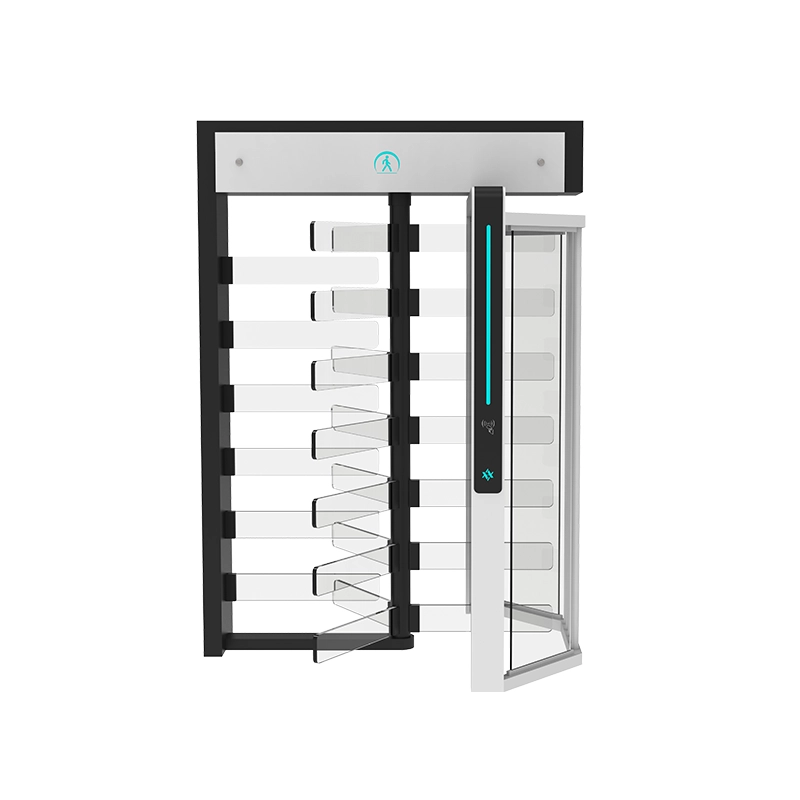
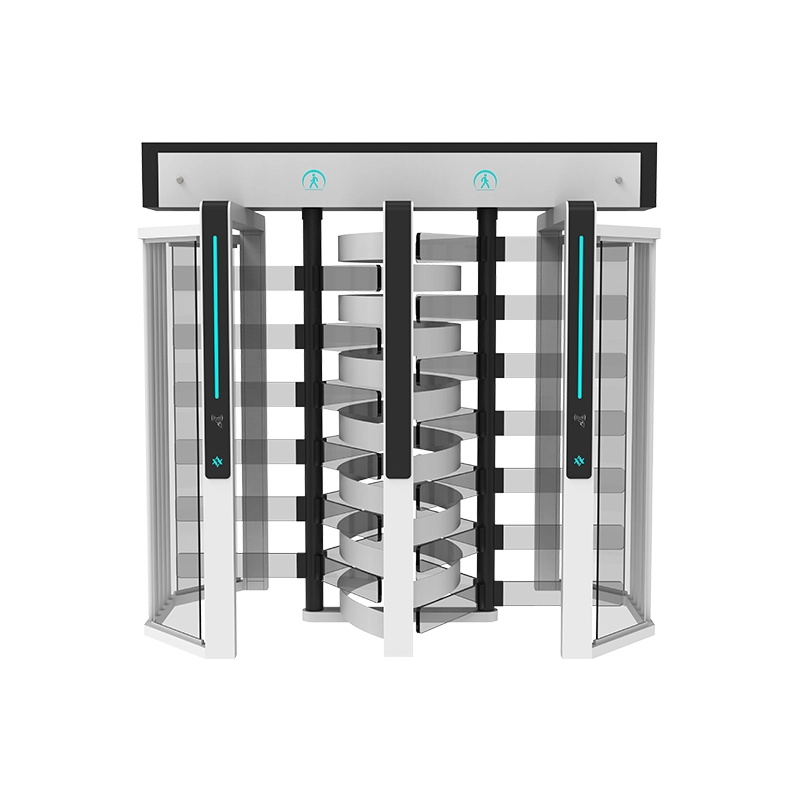
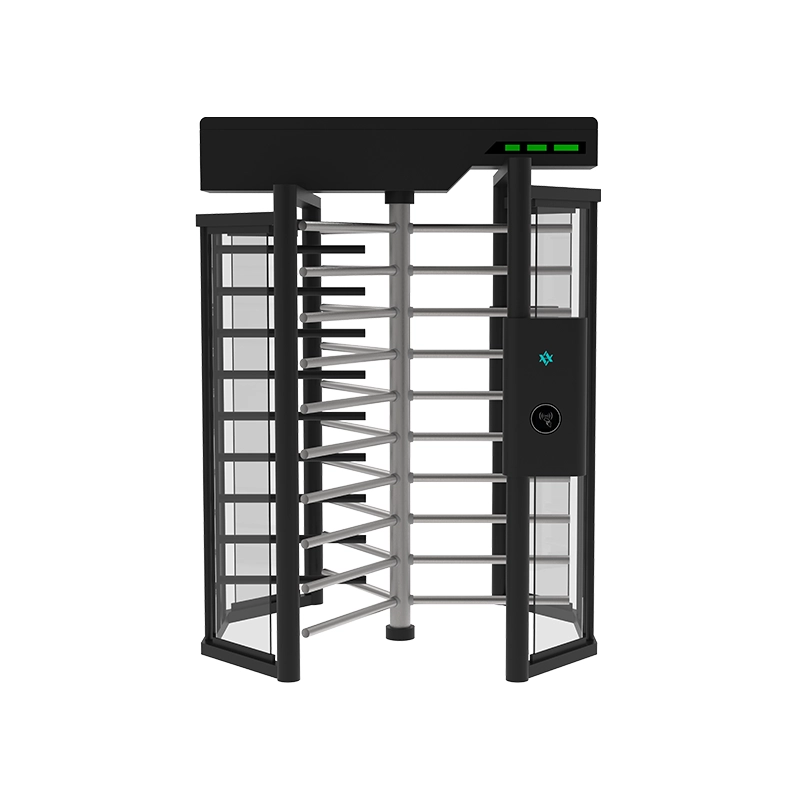
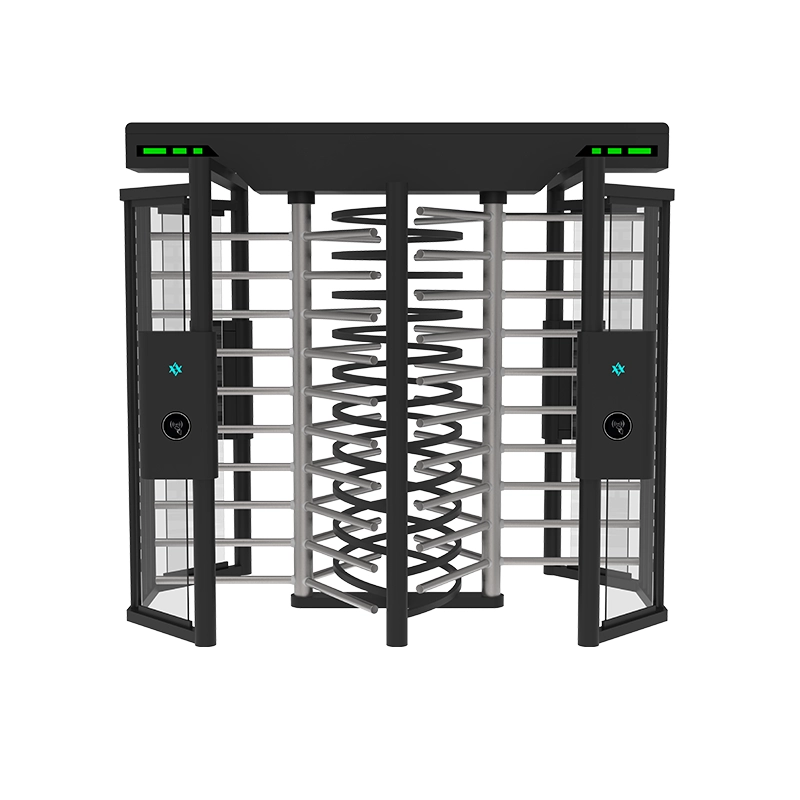
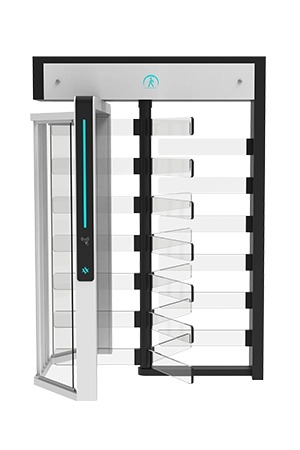
Speed gates[^1] offer a level of security that often surpasses that of traditional swing gates. They incorporate intelligent technology to regulate entry, making them appropriate for locations with strict access protocols.
Understanding Speed Gate Security Features
Speed gates combine hardware and software to establish a secure barrier. Key features include:
- Infrared Sensor Grids: Speed gates utilize multiple arrays of infrared beams. These beams form an invisible grid within the passage. The sensors detect movement, accurately counting individuals passing through. This helps in preventing multiple people from attempting entry with a single authorized credential.
- Rapid Barrier Response: The physical barriers of speed gates operate quickly. Upon presentation of an authorized credential, barriers retract swiftly. They close almost immediately after the authorized individual passes. This rapid operation minimizes opportunities for a second person to follow.
- Anti-Tailgating Algorithms: Integrated software analyzes sensor data. This software differentiates between an authorized individual and someone attempting to follow closely. If tailgating is detected, the gate activates an alarm. It can also remain closed or re-close rapidly.
Below is a comparison of security features:
| Feature | Speed Gates | Swing Gates |
|---|---|---|
| Tailgating Prevention | High (multi-sensor, rapid closure) | Low to Moderate (basic detection, slower) |
| Forced Entry Resistance | Good (sturdy barriers, quick locking) | Moderate (dependent on locking mechanism) |
| Detection Accuracy | High (precise sensor arrays) | Moderate (simpler sensor configurations) |
| Alarm Integration | Seamless (connects to security systems) | Basic (often independent alarm units) |
| Throughput Control | Very High (manages high traffic efficiently) | Moderate (potential for bottlenecks) |
Practical Security Benefits
The enhanced security provided by speed gates translates into tangible advantages:
- Reduced Unauthorized Entry: The implementation of speed gates demonstrably decreases instances of unauthorized access. Anti-tailgating features are highly effective in this regard.
- Improved Compliance: For industries with rigorous security regulations, speed gates facilitate compliance. They offer a clear audit trail for entry and exit activities.
- Enhanced Deterrence: The modern aesthetic and robust appearance of speed gates act as a deterrent. Potential intruders are less likely to attempt breaching a high-tech barrier.
- Integration with Access Control Systems: Speed gates seamlessly integrate with various access control technologies, including facial recognition and RFID. This creates a unified and powerful security solution.
How Do Speed Gates Work?
Have you considered the operational principles that enable modern entry systems to manage pedestrian flow so effectively? Understanding the mechanics is key to appreciating their security and efficiency benefits.
Speed gates function using a sophisticated array of infrared sensors to monitor pedestrian presence and movement. This system integrates with high-speed, motor-driven barriers that activate only for validated credentials, closing swiftly to prevent tailgating and enforce single-person passage.
The efficacy of speed gates derives from their intelligent design and precise engineering. They are not merely physical barriers but smart systems optimized for accuracy and rapid response.
The Operational Mechanics of Speed Gates
The fundamental operational sequence of speed gates involves several steps:
- Credential Presentation: An individual approaches the gate and presents an access credential. This can include a card, a mobile device, or biometric data for recognition. The gate’s reader processes this credential.
- Authorization Verification: The gate’s internal system verifies the individual’s authorization status. This check occurs almost instantaneously.
- Sensor Activation: As the individual approaches, a series of infrared sensors activates. These sensors establish detection zones, monitoring the space within the gate for accurate movement tracking.
- Barrier Opening: If authorization is confirmed, the barriers rapidly retract into the gate housing, creating an open pathway. The speed of this opening is a critical distinction from swing gates.
- Passage and Detection: The authorized individual passes through. The sensors continuously track movement to confirm single-person passage.
- Barrier Closing: Once the authorized individual has fully cleared the passage, the barriers close automatically and rapidly. This closing action is essential for tailgating prevention.
Key Technological Components
Speed gates rely on several advanced components for their operation:
- Brushless DC Motors: These motors are highly efficient and operate quietly. They enable the barriers to open and close smoothly and quickly. This also contributes to a longer operational lifespan and reduced maintenance requirements.
- Infrared Sensor Arrays: Multiple arrays of these sensors are positioned at various heights and locations. This creates a dense detection field, facilitating accurate pedestrian counting and detection of unauthorized entries.
- Microprocessor Control Unit: This unit serves as the gate’s central processing system. It processes sensor data, manages motor movements, and communicates with the broader access control infrastructure.
- Integrated Access Readers: Many speed gates include built-in readers that support diverse access technologies. This ensures clean and efficient system integration.
The operational flow can be summarized as:
[User Presents Credential] --> [Access System Validates] --> [Sensors Detect User]
                                    |
                                    V
                           [Barriers Open Rapidly] --> [User Passes]
                                    |
                                    V
                            [Barriers Close Instantly]
This precise sequence prevents common security breaches while providing a smooth experience for authorized users, maintaining strict control over the entry point.
How Fast Do Speed Gates Operate?
Have you observed the impact of slow entry systems on pedestrian flow and overall efficiency in busy environments? The operational speed of gates directly influences throughput and contributes to security effectiveness.
Speed gates operate significantly faster than swing gates, with opening and closing times typically ranging from 0.3 to 1 second per individual. This enables high throughput rates, often accommodating 30 to 60 people per minute. This rapid action is essential for efficient pedestrian management and effective tailgating prevention in high-traffic areas.
The "speed" in speed gate is a defining characteristic, offering several crucial advantages beyond mere convenience.
Understanding Throughput and Efficiency
The operational speed of a gate is quantified by its "throughput," representing the number of individuals processed within a specific timeframe.
- Rapid Barrier Movement: Speed gates can open and close their barriers in as little as 0.3 seconds. This quick movement is facilitated by high-performance brushless motors and advanced control algorithms.
- High Throughput Capacities: Due to their rapid operation, speed gates effectively manage high volumes of pedestrian traffic. Throughput rates commonly range from 30 to 60 people per minute per lane, significantly exceeding the capacity of most swing gates.
- Smooth Pedestrian Flow: In high-traffic locations such as corporate lobbies or public transit stations, swift passage is critical. Speed gates prevent bottlenecks and ensure a continuous flow of people, thereby enhancing the user experience.
A comparison of typical throughput rates is provided below:
| Gate Type | Opening/Closing Time (per person) | People Per Minute (average) | Primary Application |
|---|---|---|---|
| Speed Gate | 0.3 – 1 second | 30 – 60 | High-traffic, high-security |
| Swing Gate | 1.5 – 3 seconds | 10 – 20 | Medium-traffic, moderate security |
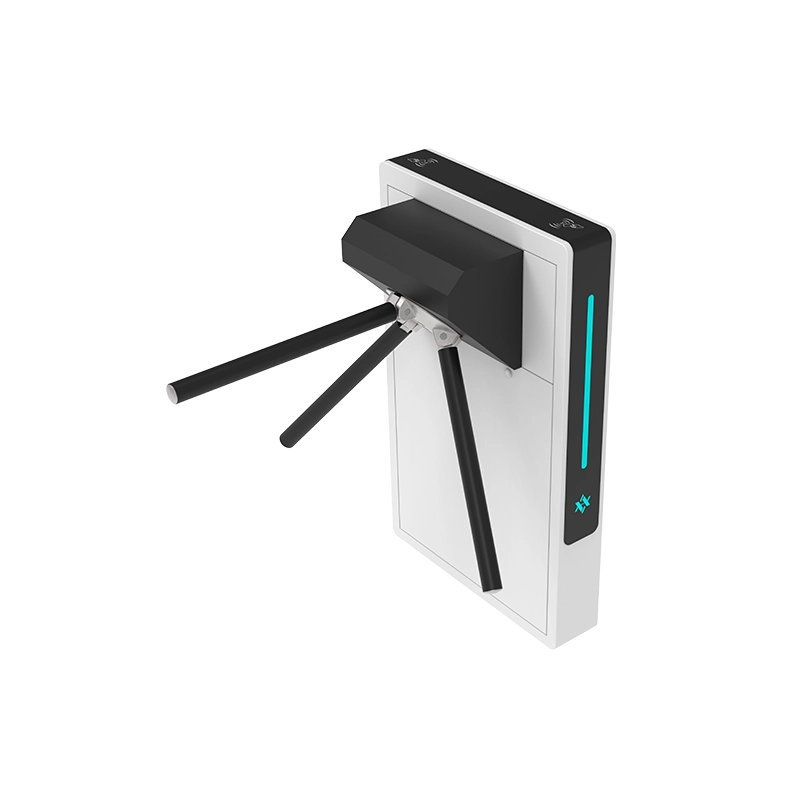
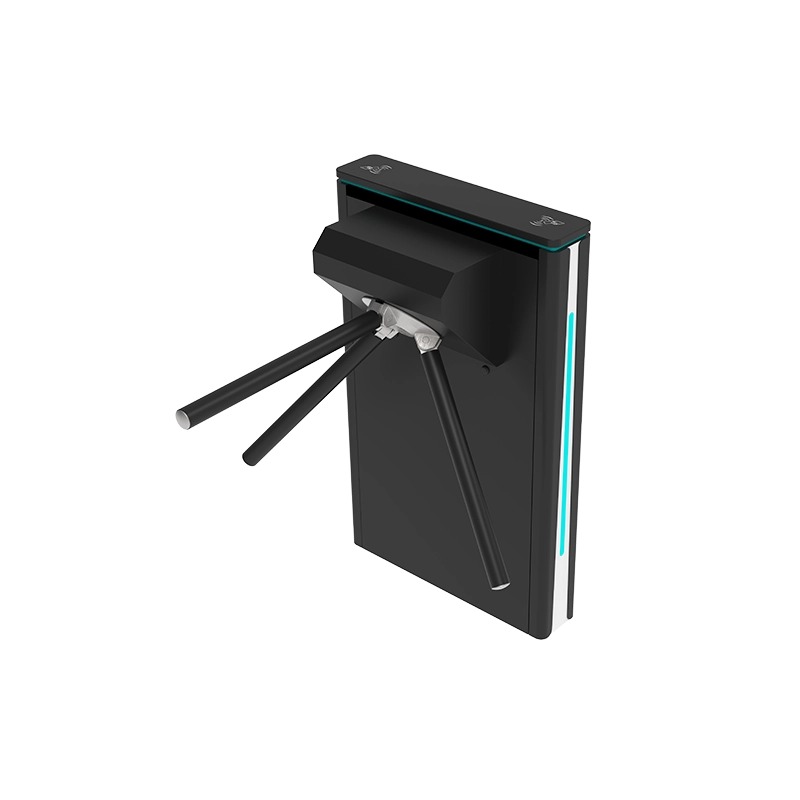
| Tripod Turnstile | 1 – 2 seconds | 15 – 25 | Medium-traffic, industrial settings |
Impact on Security Protocols
Operational speed is not solely a matter of convenience; it is a fundamental aspect of security.
- Effective Anti-Tailgating: The faster a gate closes after an authorized individual passes, the less opportunity exists for a second person to enter. This rapid closure is a primary defense against tailgating.
- Reduced Dwelling Time: Quick operation minimizes the time individuals spend within the entry zone. This reduces opportunities for loitering or attempts to compromise the system.
- Immediate Alarm Response: If an unauthorized entry attempt is detected, the speed gate can respond instantly. It can remain closed or activate an alarm before the individual can fully pass.
The efficiency derived from speed gates is valuable for maintaining smooth operations without compromising security. Their rapid response time enhances control over entry points.
Are Speed Gates Accurate?
Do inaccuracies in an access control system lead to security vulnerabilities, such as misreads or unauthorized dual entries? Precision and reliability are fundamental requirements for an effective security infrastructure.
Speed gates exhibit high accuracy in detecting single-person passage and preventing tailgating. This is achieved through advanced multi-zone infrared sensor arrays and sophisticated algorithms. These systems can differentiate between individuals and their belongings, ensuring that only authorized persons pass one at a time with minimal error.
The accuracy of speed gates is a crucial distinguishing factor, setting them apart from less advanced entry systems. This precision is vital for maintaining robust security and efficient pedestrian flow.
Precision in Detection Capabilities
The accuracy of speed gates is fundamentally rooted in their sensor technology.
- Multi-Zone Infrared Sensors: Speed gates employ a dense configuration of infrared beams. These beams establish multiple detection zones within the passage. As an individual transits, the system tracks their movement across these zones, enabling highly precise counting.
- Discernment of Individuals from Objects: Advanced algorithms integrated into speed gates can often distinguish between a person and items like briefcases or trolleys. This capability prevents false alarms when individuals carry belongings and ensures that the gate responds appropriately to human presence.
- Directional Sensing: Speed gates are capable of sensing the direction of travel. This allows them to identify attempts to enter from an exit side or vice versa, adding an additional layer of security.
An illustration of detection zone functionality is provided below:
| Sensor Zone | Purpose | Response (if triggered) |
|---|---|---|
| Approach Zone | Detects initial presence | Prepares gate for operation |
| Passage Zone | Confirms single-person transit, monitors for tailgating | Verifies authorized movement |
| Clearance Zone | Verifies full exit, initiates barrier closure | Secures transaction, resets for next user |
| Height Detection | Measures vertical profile for accurate tracking | Aids in distinguishing individual sizes |
Prevention of Common Security Breaches
The accuracy of speed gates directly addresses prevalent security weaknesses:
- Elimination of Tailgating: This is a primary benefit. Precise sensors and rapid closure mechanisms ensure that only one authorized individual passes at any given time. If a second person attempts to follow, an alarm is triggered, and the gate either remains closed or re-closes.
- Prevention of Piggybacking: Similar to tailgating, piggybacking involves two individuals attempting to pass side-by-side. The design and comprehensive sensor coverage of speed gates make such attempts highly difficult to execute without detection.
- Accurate Occupancy Counting: For facilities requiring precise occupancy data, speed gates provide reliable counts. This information is valuable for emergency management, facility planning, and optimizing resource allocation.
The accuracy of speed gates demonstrably improves security by minimizing unauthorized entries and reducing the need for manual intervention by security personnel. This reliability enhances the overall robustness of the access control system.
My Insights: Enhancing Security with Speed Gates vs. Swing Gates
Concerned about unauthorized access at entry points? Learn how speed gates provide superior security compared to traditional swing gates.
Speed gates improve security over swing gates by utilizing integrated sensors to detect unauthorized entry, immediately responding to suspicious movements, and leveraging advanced access control technologies. This makes them highly effective at preventing tailgating and ensuring controlled access.
Understanding the Security Advantages of Speed Gates
Security Features Comparison
| Feature | Speed Gates | Swing Gates |
|---|---|---|
| Intrusion Detection | Advanced sensors for real-time monitoring | Basic control, limited detection capabilities |
| Access Control | Supports RFID, biometrics, and facial recognition | Typically less integration with modern technologies |
| Barrier Design | Controlled opening, immediate response | Simpler design, easier for tailgaters to exploit |
Enhanced Detection and Response: Speed gates employ sophisticated sensors and systems that closely monitor entrance areas, quickly identifying and responding to unauthorized entry attempts such as tailgating.
Integration with Modern Technology: By pairing with advanced access control technologies like biometrics and RFID, speed gates offer a robust security solution that is harder to bypass compared to swing gates.
Space and Throughput Efficiency: Speed gates require less operational space and offer higher throughput efficiency, particularly during peak times, assisting in managing high-traffic areas effectively while maintaining security integrity.
Speed gates actively monitor and verify access, providing a crucial security advantage in sensitive or high-traffic environments, making them a smart choice over conventional swing gates.
Conclusion
Speed gates significantly enhance security compared to swing gates. They achieve this through rapid operation, precise detection, and advanced anti-tailgating capabilities. This makes them a superior choice for controlled and efficient pedestrian access management.
](https://aipadaturnstile.com/wp-content/uploads/2025/11/AT107-TC-01.webp)
](https://aipadaturnstile.com/wp-content/uploads/2025/12/vertical-tripod-turnstile.jpg)
](https://aipadaturnstile.com/wp-content/uploads/2025/12/popup-img.jpg)