
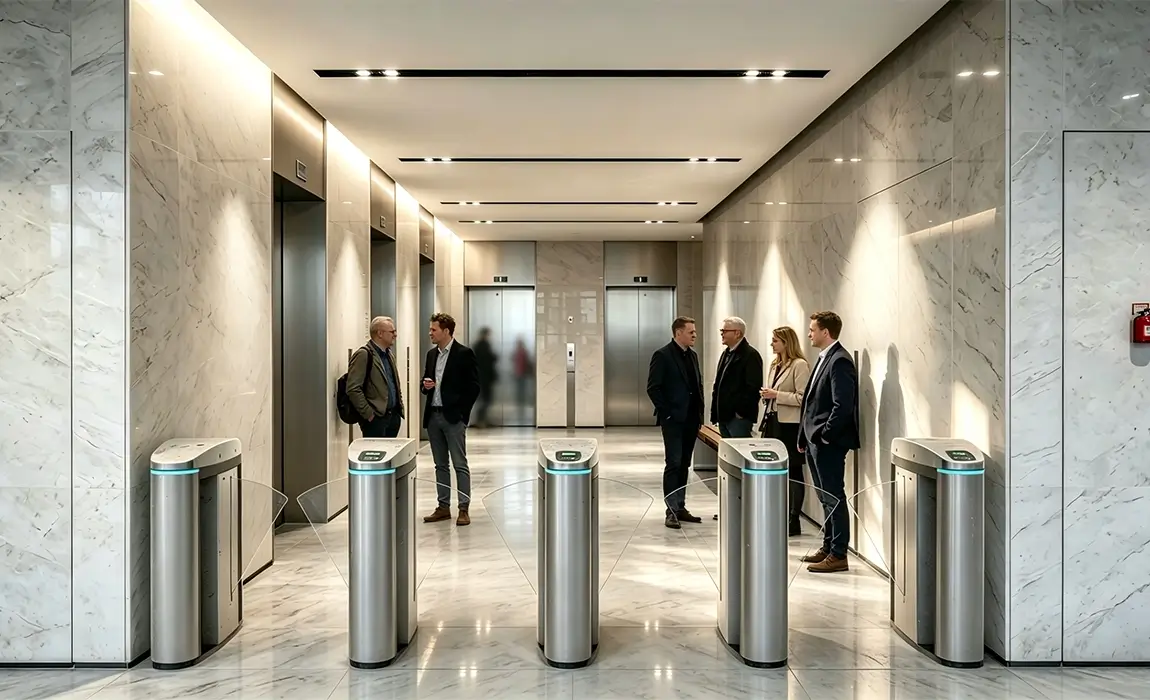

Many access control projects end up exceeding budgets because buyers only focus on initial quotations, ignoring hidden long-term operating expenses.
The core cost gaps between flap barriers and swing turnstiles mainly lie in lane width design, user passage flexibility, on-site installation requirements, spare parts maintenance and long-term pedestrian traffic adaptation.
Generally speaking, flap barriers are perfectly designed for fast indoor pedestrian flow with compact lane layout. Although swing turnstiles carry higher upfront equipment costs, they can effectively cut additional project expenses when the venue needs wide passages, barrier-free access and mixed crowd passing demands.
Instead of judging products merely by unit price, you should prioritize daily entrance traffic demands first. If the passage only serves regular pedestrians, flap barriers will be a cost-effective choice.
However, if the lane needs to accommodate wheelchair users, luggage carriers, delivery staff and parents with strollers, the overall project cost will change greatly. A low initial price never equals lower total life-cycle cost. As emphasized by the Security Industry Association, when comparing flap barriers and swing turnstiles, we must evaluate overall performance rather than only checking basic equipment specifications.
Basic Definition Difference Between Turnstile and Flap Barrier
Most global buyers confuse turnstiles with flap barriers, which leads to unreasonable product selection and inaccurate budget estimation.
Literally, turnstile is a general term covering all pedestrian access control devices, while flap barrier is a specific classification under the turnstile category. Flap barriers control access via retractable wing panels.
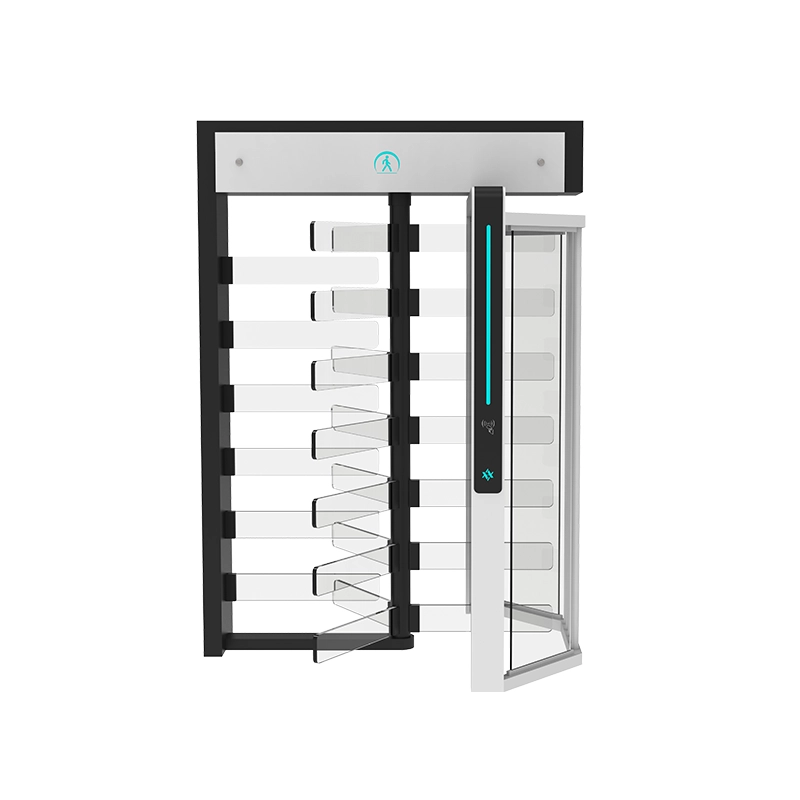
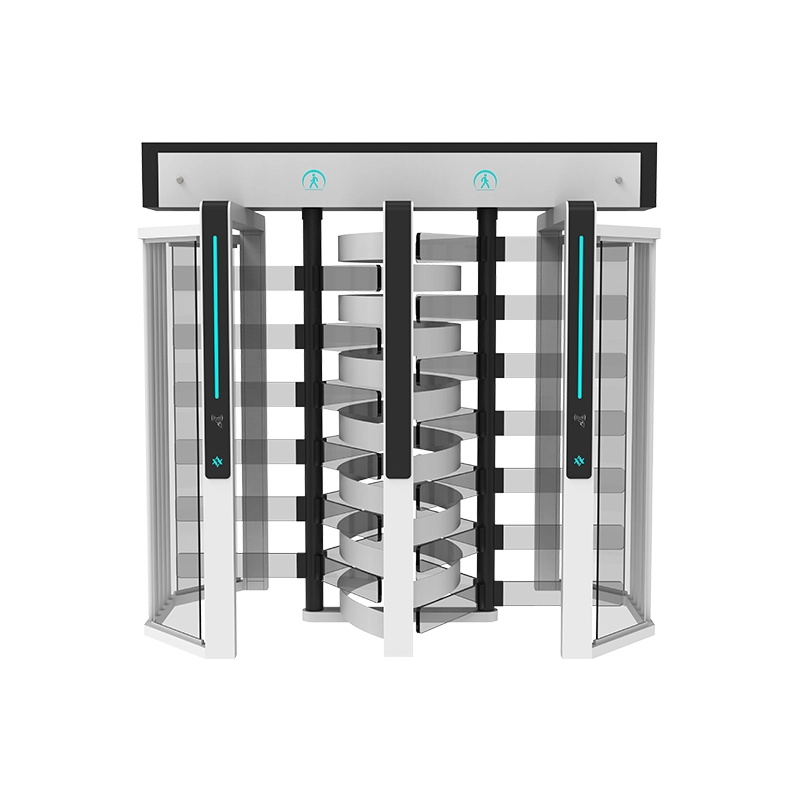
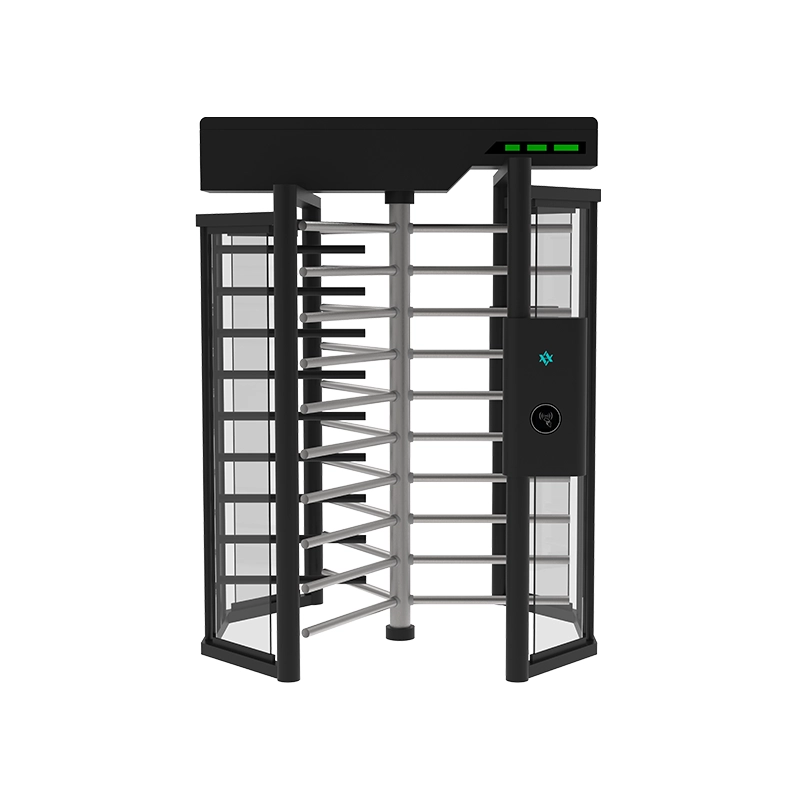
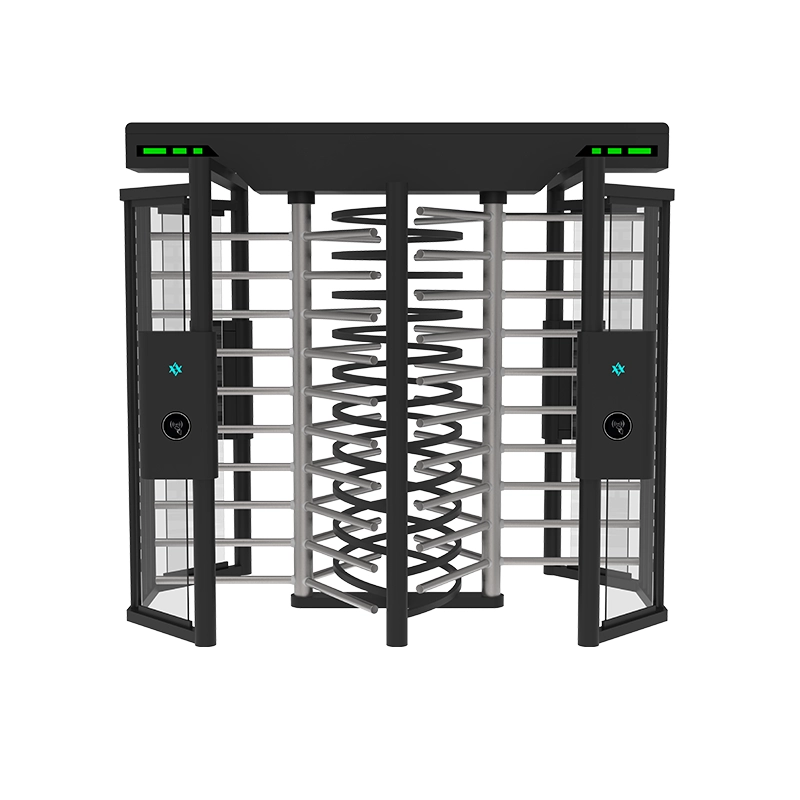
Other mainstream turnstiles adopt different opening structures, including swing arm type, tripod rotating type and full-height rotary type. Such structural differences directly determine product cost, crowd passing efficiency and site applicability.
Before comparing prices and functions, you must clarify product categories clearly. You cannot simply compare flap barriers with general turnstile concepts. The most scientific way is to match flap barriers with swing turnstiles for targeted comparison, so as to sort out real cost logic clearly.
Structural Differences Between Main Access Control Turnstiles
Core Opening Principle
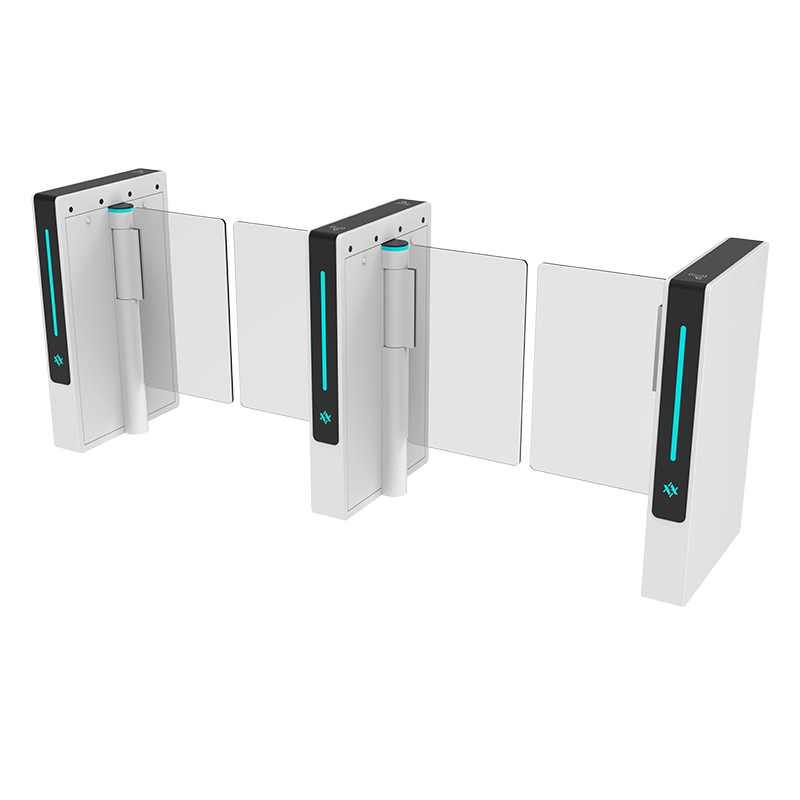
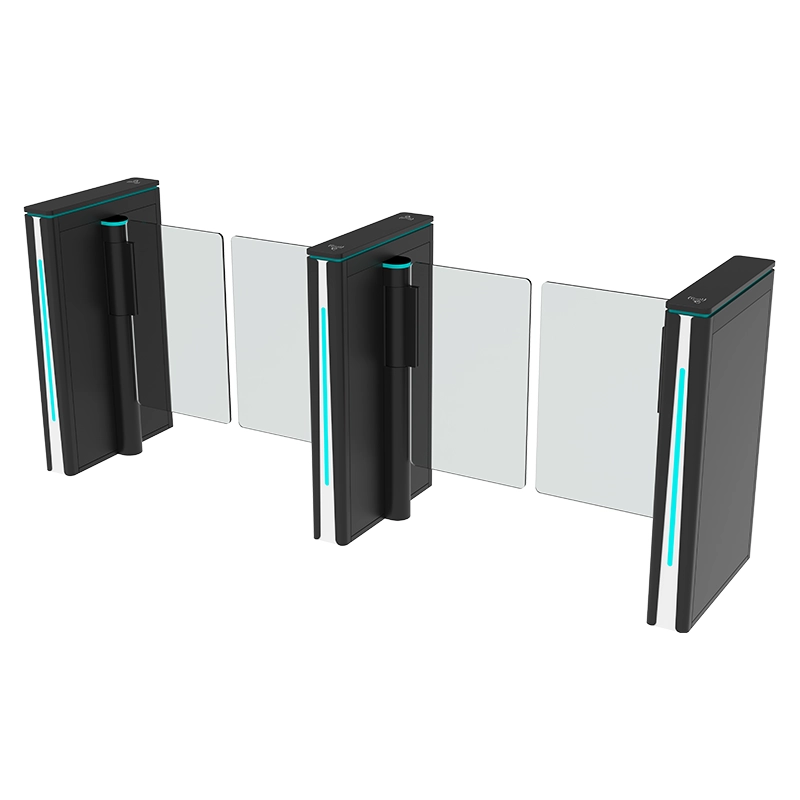
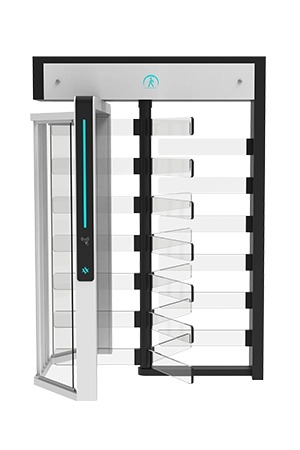
Flap barriers retract internal wing panels into the cabinet to form smooth and fast access lanes. Swing turnstiles open access by swinging single or double side arms and panels, creating wider and more flexible passing space.
| Product | Passage Method | Typical Strength | Typical Limitation |
|---|---|---|---|
| Flap Barrier | Retractable wing opening | Fast passing speed, neat lane layout | Poor adaptability for wide-range traffic |
| Swing Turnstile | Side swing arm opening | Suitable for mixed crowds, wide passage | Larger occupied installation space |
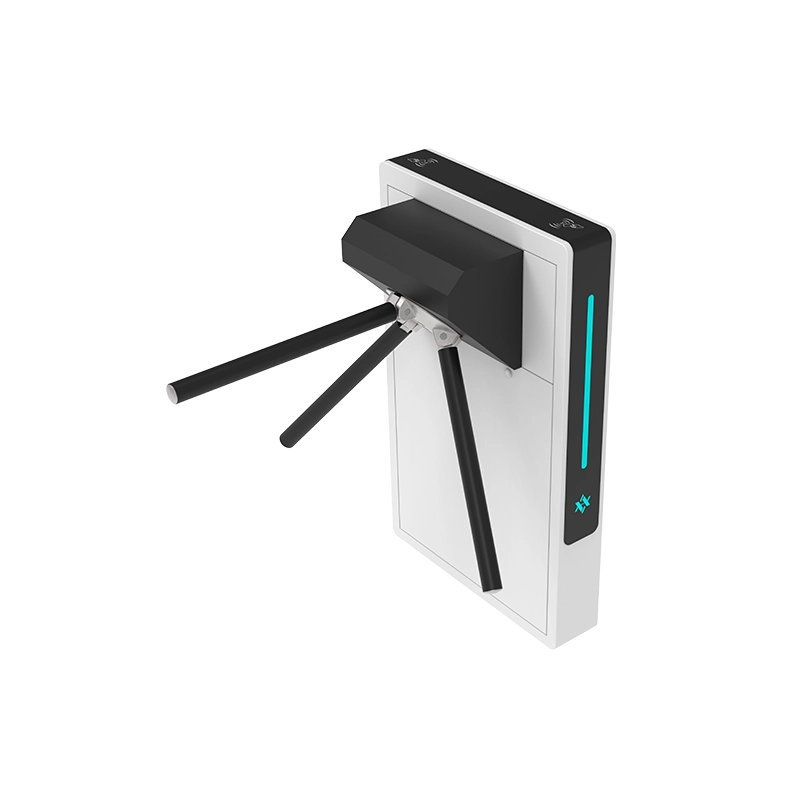
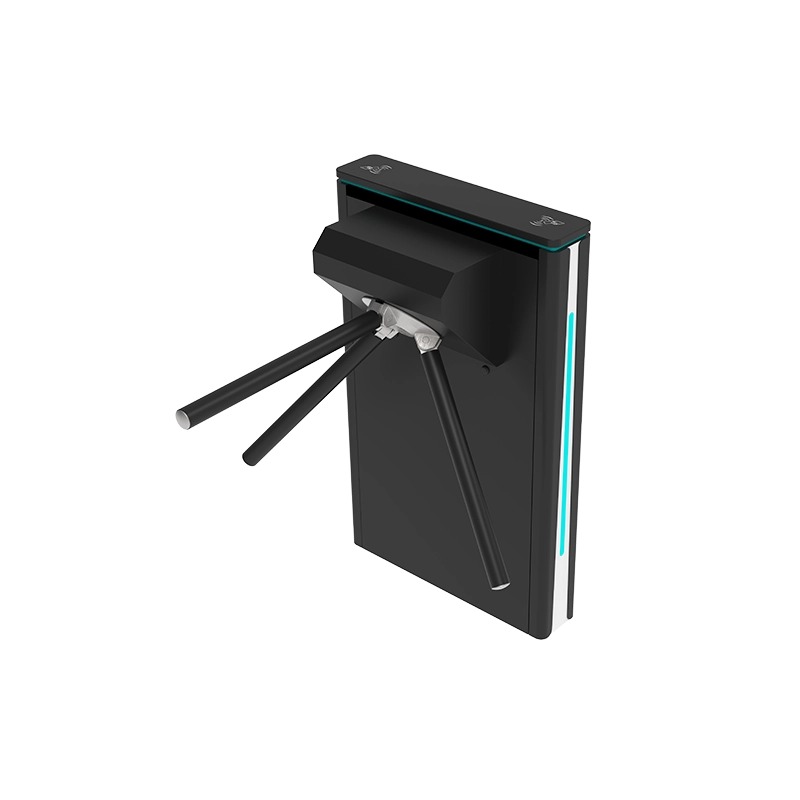
| Tripod Turnstile | Three-rod rotation | Low cost, stable structure | Low comfort, narrow application range |
| Full Height Turnstile | Full-body rotary opening | Top-level safety isolation | Strict passing restrictions, poor user experience |
How Structure Affects Overall Project Cost
Compact flap barriers look simple and efficient, but venues with frequent special crowd access need to build extra wide auxiliary lanes additionally.
Although single swing turnstile costs more, it can save the construction cost of independent barrier-free passages. This change affects not only equipment purchase cost, but also site layout design, access control system deployment and daily traffic management expenditure.
The core purchasing logic is very clear: do not blindly pursue low unit price, and select the most suitable access control turnstile according to actual traffic demands to reduce later renovation and supplementary construction costs.
Common Disadvantages & Hidden Costs of Flap Barriers
Flap barriers look high-end and efficient in product brochures, but they are easy to expose practical defects in complex actual use scenarios.
The main shortcomings of flap barriers include limited passage flexibility, easy damage to telescopic wings, high requirements for orderly crowd flow and strict standards for lane layout design.
These weaknesses do not mean flap barriers are inferior products. On the contrary, they perform excellently in standardized indoor scenarios dominated by regular pedestrian flow.
Flap barriers are widely installed in office buildings, subway stations, campus entrances and other places with stable and fast crowd flow. The biggest mistake many buyers make is over-applying flap barriers, blindly installing them in all venues just for modern appearance, thus triggering a series of hidden costs.
Narrow Standard Passage Width
Standard flap barrier lanes are designed for single pedestrian passing, which is friendly for office staff and light-load visitors, but cannot meet the passing demands of large luggage, service trolleys and barrier-free crowds.
High Wear Rate of Telescopic Wings
The retractable wing panel is the core moving part of flap barriers. In high-flow venues, frequent collision, extrusion and man-made damage will increase after-sales maintenance frequency and spare parts replacement costs invisibly.
Strict Requirements for Crowd Passing Order
Flap barriers run stably only when pedestrians pass in order. Crowd congestion, slow hesitation and close following will affect sensor recognition efficiency, requiring regular equipment debugging and parameter calibration.
| Existing Problems | Operational Impact | Hidden Cost Risks |
|---|---|---|
| Narrow standard lane | Unable to adapt to mixed traffic | Additional purchase of wide-lane access control equipment |
| Wing panel collision wear | Increased equipment failure rate | Regular repair and replacement part cost |
| Sensitive passing induction | Frequent recognition errors | Extra equipment debugging and setting cost |
| Single indoor adaptation | Unable to adapt outdoor harsh environment | Need to customize high-standard waterproof and dustproof models |
All the above problems are not only technical defects, but also key factors affecting total budget. Low purchase price will be offset by later maintenance, supplementary gate construction and site layout adjustment costs.
Many projects that initially adopt full flap barrier groups finally add swing turnstile passages in the later stage due to complex daily traffic flow, resulting in double waste of funds.
All Main Types of Access Control Turnstiles & Cost Positioning
Mastering the complete classification of turnstiles can help you quickly lock budget range and select matching products.
Common commercial access control turnstiles include tripod turnstiles, flap barriers, swing turnstiles, high-speed swing gates and full-height turnstiles. Different products balance safety, passing comfort, traffic efficiency, appearance grade and barrier-free performance differently, forming distinct cost positioning.
What buyers pay for is not only metal shells, driving motors and sensing components, but also the balance between access control strength and user passing convenience.
| Turnstile Category | Main Application Scenarios | Cost Advantages | Potential Cost Risks |
|---|---|---|---|
| Tripod Turnstile | Factory staff entrance, low-budget community | Lowest entry cost | Need to match extra barrier-free passages |
| Flap Barrier | High-end office building, indoor station | Compact layout, fast traffic efficiency | Need to match flexible passages in complex scenarios |
| Swing Turnstile | Supermarket, hospital, comprehensive venue | Integrate regular and wide passage demands | Relatively high single equipment cost |
| Speed Gate | Luxury office, business center | High-grade appearance, ultra-fast passing | High equipment procurement and system docking cost |
| Full Height Turnstile | Prison, factory closed management | Strong anti-escape safety performance | Poor user experience, limited applicable scenes |
Tripod turnstiles are the most economical basic choice, suitable for simple access control demands with limited budget. Flap barriers belong to mid-range mainstream products, focusing on traffic efficiency and modern appearance.
Swing turnstiles are flexible multi-scenario models, covering diverse crowd passing demands. High-speed gates belong to high-end customized products, focusing on visual grade and use experience. Full-height turnstiles take safety isolation as the core design goal.
When comparing flap barriers and swing turnstiles, you are actually choosing two mid-range access control solutions: one focuses on standardized fast traffic, and the other focuses on multi-crowd flexible passage. This choice directly determines the number of reserved lanes, whether to build independent barrier-free passages and future venue renovation budget.
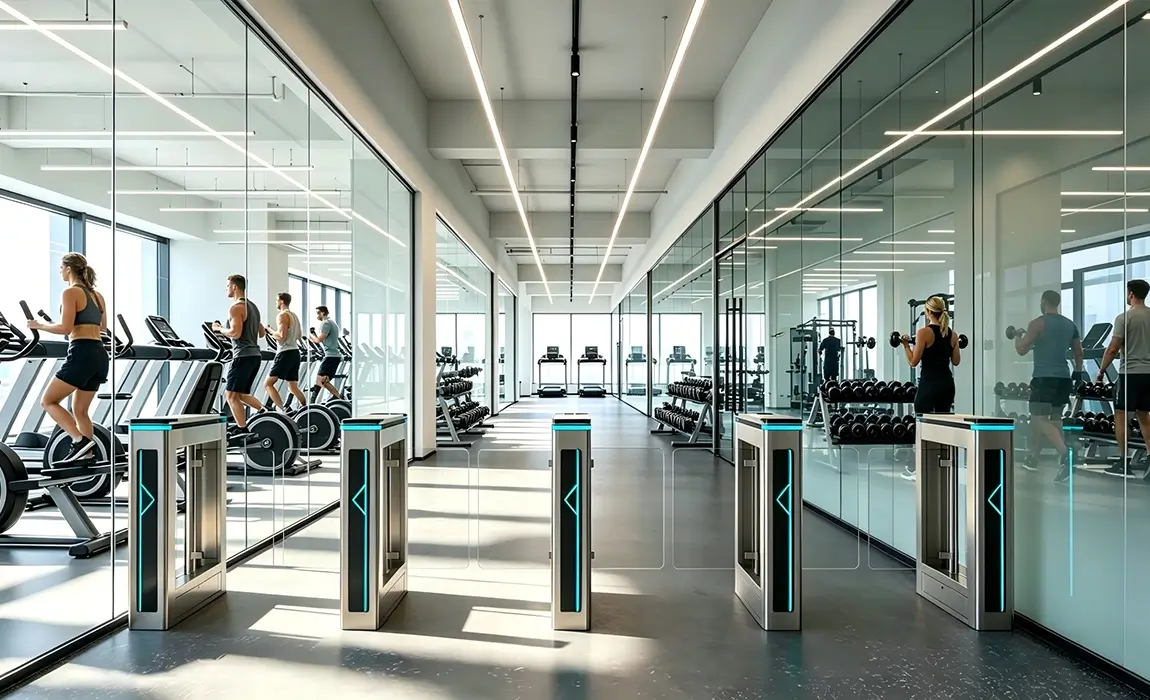
Different Classifications & Budget Influence of Flap Barriers
Many buyers have inaccurate budget judgment because they treat all flap barriers as products with the same price standard.
According to functional structure and usage environment, flap barriers are divided into standard ordinary type, wide passage type, single-core type, dual-core type, bridge type and outdoor special type. Differences in structure, sensor layout, traffic efficiency and weather resistance will completely change the final project quotation.
Most suppliers only quote the lowest price of standard indoor flap barriers in the early stage. Once customers put forward wide passage, high-grade appearance and outdoor use demands, the actual cost will rise sharply.
Common Flap Barrier Types & Cost Reference
| Flap Barrier Type | Applicable Scenarios | Budget Influence |
|---|---|---|
| Standard Ordinary Flap Barrier | Indoor regular pedestrian passage | Basic lowest quotation standard |
| Wide-Lane Flap Barrier | Barrier-free access, large goods passing | Higher cost than standard models |
| Single-Core Flap Barrier | End position of turnstile combination lane | Necessary matching product for lane combination |
| Dual-Core Flap Barrier | Middle connection position of multi-lane groups | Improve overall layout cost performance |
| Bridge-Type Flap Barrier | High-grade business interior scene | Increase appearance design and surface treatment cost |
| Outdoor Special Flap Barrier | Outdoor semi-open entrance | Increase waterproof, dustproof and anti-rust configuration cost |
Bridge-type flap barriers are customized for architectural decoration demands, with elegant shell modeling and high-grade surface technology, and the price is much higher than ordinary models with the same control function.
Outdoor flap barriers need to add sealing structure, anti-corrosion materials and weather-resistant driving components, which greatly narrow the original price gap between flap barriers and swing turnstiles.
Four Core Questions to Confirm Budget Direction
- What kinds of crowds and goods need to pass through the passage?
- Does the project need to set up special wide barrier-free passages?
- Are the access control passages arranged indoors or exposed outdoors for a long time?
- Does the venue have high requirements for equipment appearance grade and overall decoration coordination?
Only by confirming the above four points can we avoid single-price comparison and accurately calculate the total budget matching flap barriers or swing turnstiles.
Detailed Comparison of Full-Cycle Costs Between Flap Barriers and Swing Turnstiles
For global project purchasers, clarifying the full-cycle cost gap between flap barriers and swing turnstiles is the core of rational selection.
Initial Procurement & Installation Cost
Flap barriers are equipped with high-precision sensors and fast telescopic transmission structures, matching acrylic and other high-grade materials, so the overall installation and deployment cost is higher, which is the preferred choice for high-end office buildings, transportation hubs and high-grade indoor scenes.
Swing turnstiles adopt mature simple mechanical structure, with low configuration difficulty and low overall entry cost, suitable for basic access control projects with limited budget.
Daily Operation & Later Maintenance Cost
The internal circuit and mechanical structure of flap barriers are complex, with more vulnerable parts, and the long-term daily maintenance and failure repair cost is higher, more suitable for standardized indoor use with stable management.
Swing turnstiles have simple overall structure, less vulnerable parts, low wear degree in long-term use, and obvious advantages in later maintenance capital investment.
Long-Term Use Value
In high-flow standardized indoor scenes, flap barriers support face recognition, fingerprint recognition and anti-tailgating system docking, effectively reduce manual management costs, and have higher comprehensive use value in the long run.
Swing turnstiles have strong environmental adaptability and diverse passing modes, but frequent opening and closing in ultra-high-flow scenes will accelerate component loss and slightly increase later hidden expenses.
| Comparison Dimension | Flap Barriers | Swing Turnstiles |
|---|---|---|
| Early Installation Cost | High (advanced electronic configuration) | Low (simple mechanical structure) |
| Daily Maintenance Cost | High (many precision electronic parts) | Low (sturdy and durable structure) |
| Best Matching Scenarios | High-grade office, indoor traffic hub | Budget projects, multi-crowd mixed venues |
| Main Manufacturing Materials | Acrylic, polycarbonate, fine hardware | Thick stainless steel, practical alloy |
Final Purchase Conclusion
Flap barriers take fast passing efficiency and high-end appearance as core advantages, suitable for standardized indoor scenes with sufficient budget, but buyers need to reserve sufficient later maintenance funds.
Swing turnstiles win by strong practicality and wide passage flexibility, which can meet diversified crowd access demands, and are the most cost-effective choice for comprehensive venues and barrier-free demand projects.
The real decisive factor for choosing flap barriers or swing turnstiles is not the single initial quotation, but the overall matching degree between product performance and project demands. Fully considering passage flexibility, later maintenance costs, crowd composition and site environment can help you select access control turnstiles that truly save total project costs.
Conclusion
The real cost difference between flap barriers and swing turnstiles comes from total project fit, because flexibility, lane type, maintenance, and user mix often matter more than the first quote.
](https://aipadaturnstile.com/wp-content/uploads/2025/11/AT107-TC-01.webp)
](https://aipadaturnstile.com/wp-content/uploads/2025/12/vertical-tripod-turnstile.jpg)
](https://aipadaturnstile.com/wp-content/uploads/2025/12/popup-img.jpg)