

Many facilities face challenges with managing people entering and exiting. This often includes issues with slow entry and security. Finding an effective access control solution is important.
Speed gates offer significant benefits compared to traditional tripod turnstiles. They provide faster pedestrian flow and enhanced security. These advantages make speed gates a preferred option for many modern environments.
Imagine a busy office building during morning rush hour. An inefficient entry system can lead to long queues and frustration. When an organization transitions to speed gates, the flow of people becomes much smoother. This improves both efficiency and security.
What are the Disadvantages of Tripod Turnstiles?
Are current entry systems creating bottlenecks? Tripod turnstiles[^1], while widely used, present several limitations in modern access control. These limitations can impact efficiency and security.
Tripod turnstiles are a basic form of access control. However, they can cause slow pedestrian movement and may not offer the highest level of security. Their design often restricts accessibility for some users.
Limited Throughput Capacity
Tripod turnstiles allow one person to pass at a time. This mechanical movement can be slow. During peak hours, this creates queues. For example, in a factory with many employees entering simultaneously, delays can reduce productivity.
| Limitation Category | Impact of Tripod Turnstiles |
|---|---|
| Peak Hours | Causes delays and long lines |
| Emergency Exits | Can hinder fast evacuation |
| High Traffic | Reduces overall efficiency of entry |
Security Vulnerabilities
The design of tripod turnstiles presents security gaps. Individuals may attempt to jump over or crawl under the barriers. "Tailgating," where an unauthorized person follows closely behind an authorized one, is also a risk. This can compromise entry point security.
Restricted Accessibility
Tripod turnstiles are not universally accessible. Their narrow passage and fixed arms can be difficult for people using wheelchairs. Individuals with strollers or large luggage also face challenges. This limits inclusive access for all users.
Operational Durability and Maintenance
The mechanical components of tripod turnstiles experience wear and tear. They require regular maintenance. Malfunctions can lead to operational downtime. This means increased service costs and potential disruption to entry control.
What is a Tripod Turnstile?
What exactly defines a tripod turnstile? It is a common device for controlling access. Understanding its basic structure and function is important for comparing access solutions.
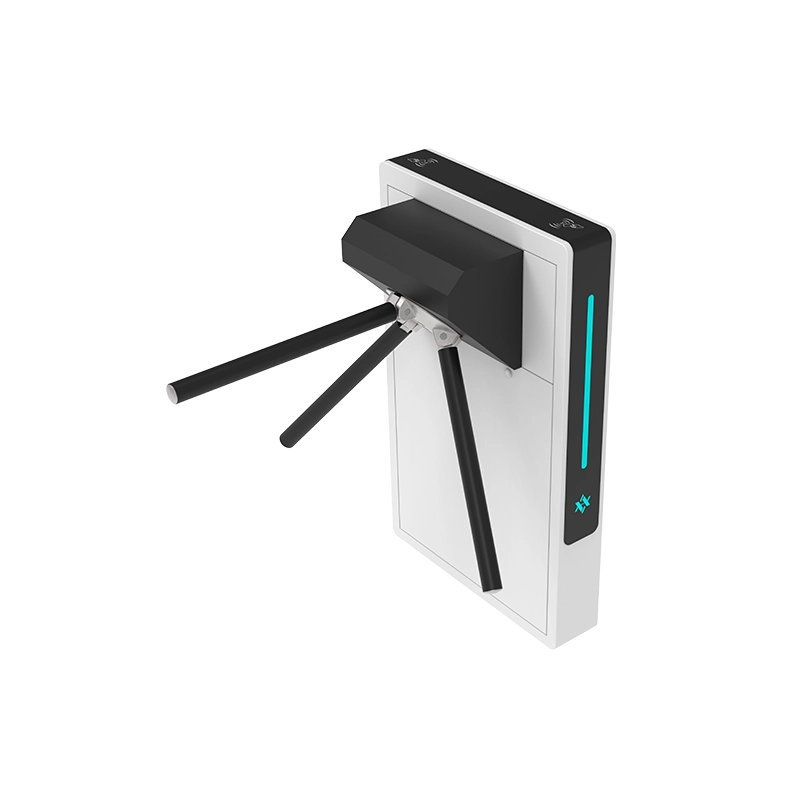
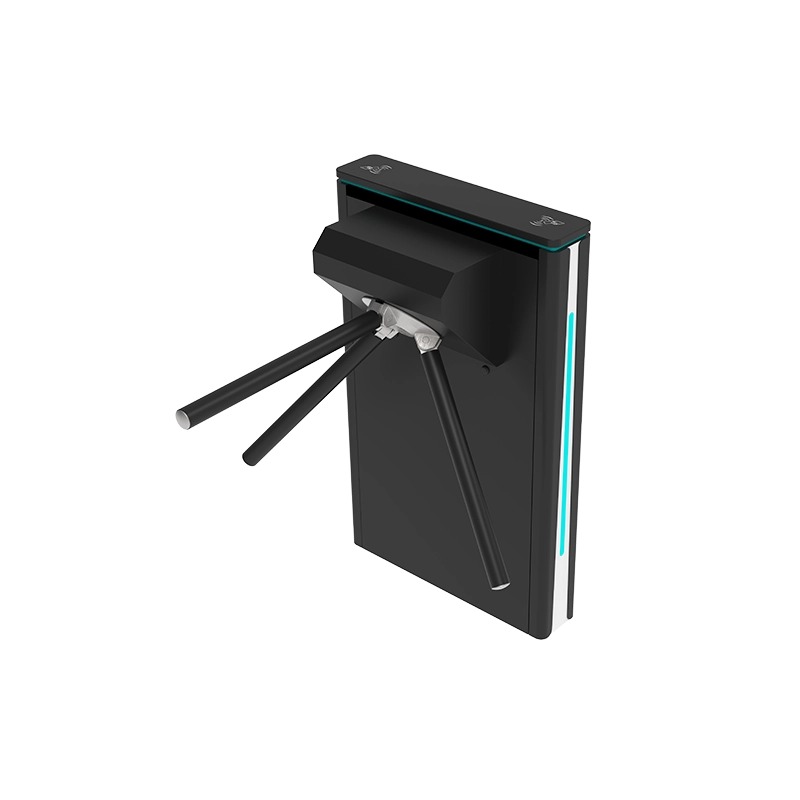
A tripod turnstile is an access control mechanism featuring three rotating arms. It permits entry for one person at a time, typically after an authentication step. These devices are frequently used for fundamental security and pedestrian management.
Operational Mechanics
A tripod turnstile operates with three arms positioned to block passage. Upon valid authorization, such as a card scan, the arms rotate. This rotation allows a single person to pass. The arms then re-lock, securing the entry point again. This process regulates pedestrian flow.
Typical Applications
Tripod turnstiles are found in various settings. These include:
- Factories: For workforce time management.
- Gyms: To verify membership status.
- Public Transit: At the entrance of subway or bus stations.
- Recreational Sites: For validating tickets at parks.
Design and Construction
These turnstiles often feature a simple and robust design. This contributes to their ease of installation and typically lower cost compared to more advanced systems. Their straightforward construction helps with widespread adoption.
Material Composition
Most tripod turnstiles are constructed from materials like stainless steel. This choice of material provides strength and durability. It allows them to withstand frequent use and various environmental conditions. This ruggedness is a key characteristic.
What are the Benefits of Using Speed Gates?
Are you seeking an advanced access control system? Speed gates offer significant advantages. They can enhance the functionality and appearance of building entry points.
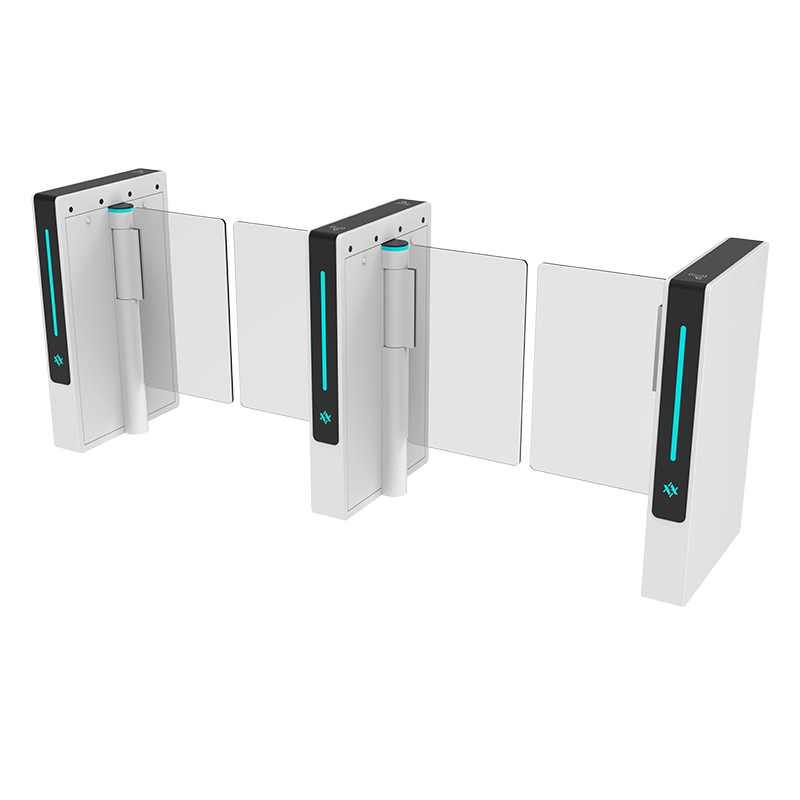
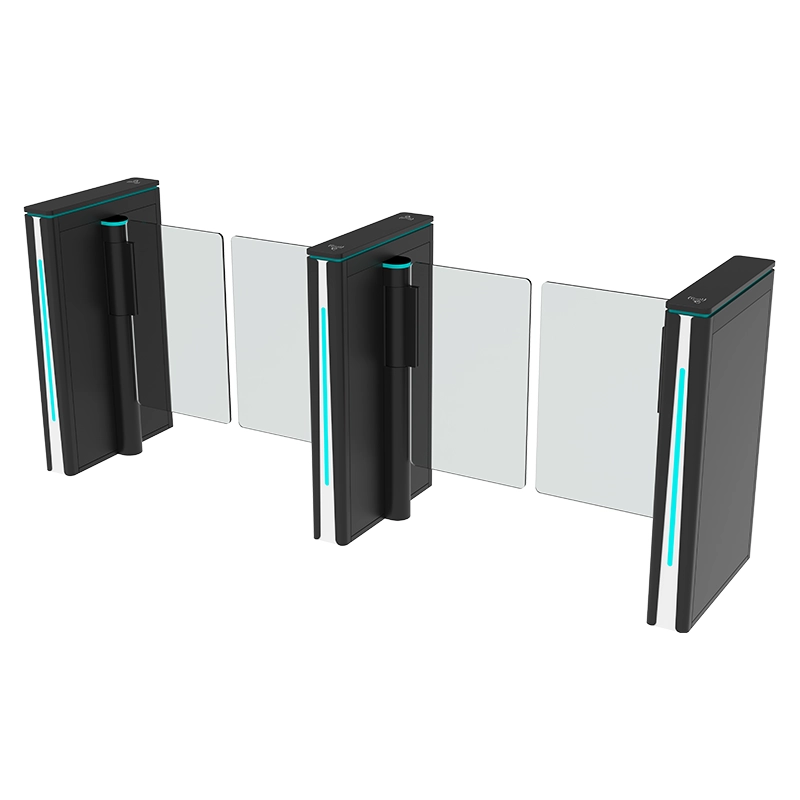
Speed gates provide efficient, secure, and visually appealing access control. They enable high pedestrian throughput, incorporate advanced security features, and integrate seamlessly with various building management systems. These qualities make them suitable for modern facilities.
High Pedestrian Throughput
Speed gates are designed for rapid passage. They use sensors to detect people. The barriers open and close quickly. This allows a large volume of people to pass through in a short period. This is crucial for high-traffic areas like corporate lobbies, preventing queues.
Advanced Security Capabilities
Speed gates offer enhanced security. They use sophisticated sensor arrays to detect attempts at tailgating. If an unauthorized person tries to follow closely, an alarm activates, and barriers remain closed. Integration with advanced authentication methods is also common.
| Security Feature | Description |
|---|---|
| Anti-Tailgating System | Infrared sensors precisely track individuals, preventing unauthorized followers. |
| Anti-Passback Logic | Prevents re-use of credentials for entry after exiting. |
| Emergency Override | Barriers automatically open in emergencies, ensuring clear escape routes. |
| Biometric Integration | Compatible with facial, fingerprint, or iris recognition for higher security. |
Improved User Experience
The operation of speed gates is typically smooth and contactless. This provides a positive experience for users. Fast passage reduces waiting times and congestion. This contributes to a positive impression for visitors and efficient movement for employees.
Modern Aesthetic Integration
Speed gates feature a sleek, contemporary design. They often incorporate materials like glass and polished metal. This allows them to blend into and enhance the architectural style of modern buildings. Customization options for appearance are often available.
System Integration Flexibility
Speed gates are built for integration. They can connect with various access control technologies. These include card readers, QR code scanners, and biometric systems. This allows for unified management with existing security and building automation platforms.
What are the Different Types of Turnstiles?
Have you considered the full range of turnstile options beyond the basic models? There are various types, each suited for specific environments and security needs. Understanding these distinctions is key to choosing the right system.
Turnstiles are categorized by their design and function, catering to different security levels, pedestrian volumes, and physical spaces. Key types include speed gates, swing turnstiles, flap barriers, and full-height turnstiles, each with distinct features.
Speed Gates
Speed gates are characterized by their fast, retractable barriers, often made of glass or acrylic. They prioritize rapid throughput and modern aesthetics. Common applications include corporate offices, financial institutions, and exhibition centers where efficiency and appearance are important.
Swing Turnstiles[^2]
Swing turnstiles feature a single or double barrier arm that pivots open. Their design allows for wider passage, accommodating individuals with wheelchairs, strollers, or large items. These are frequently installed in public buildings, libraries, and accessible entrance points.
| Turnstile Type | Key Characteristic | Typical Environment |
|---|---|---|
| Speed Gates | High-speed, aesthetic | Office buildings, airports, hotels |
| Swing Turnstiles[^2] | Wide passage, accessible | Museums, schools, hospitals |
| Flap Barriers[^3] | Rapid, compact barrier | Metro stations, busy lobbies |
| Full Height Turnstiles[^4] | Maximum physical security | Prisons, construction sites, stadiums |
Flap Barriers
Flap barriers employ two retractable flaps that open and close quickly. They are designed for high-traffic areas where speed is paramount. These are often seen in metro stations, bus terminals, and other public transportation hubs, providing swift entry and exit.
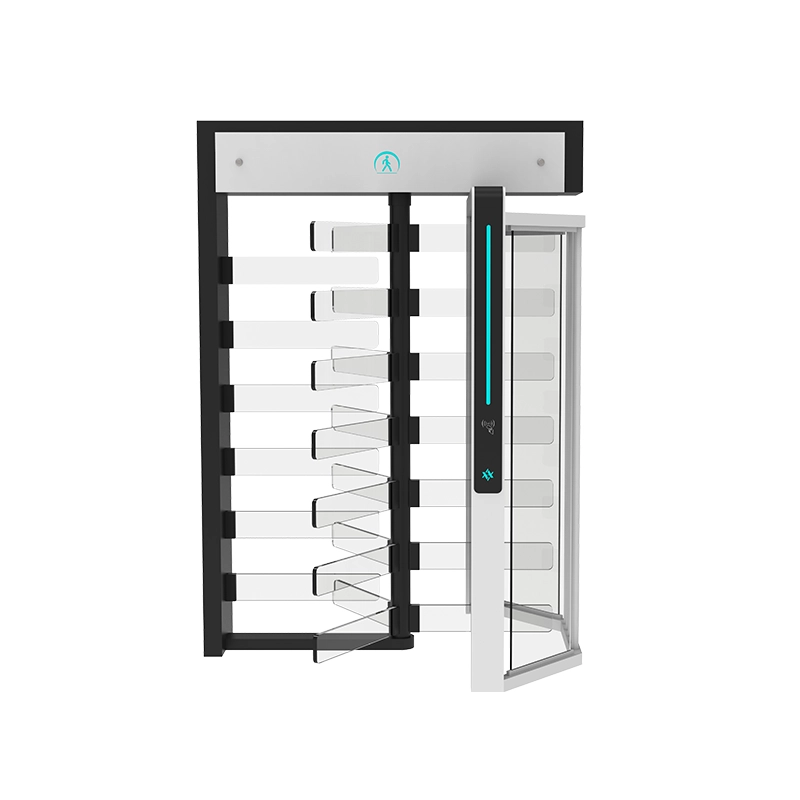
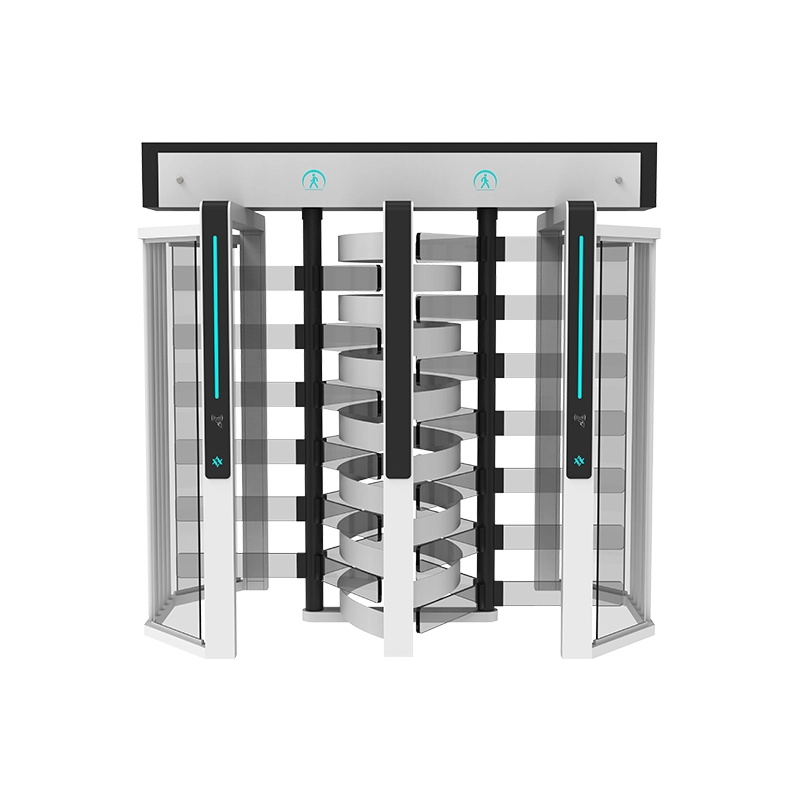
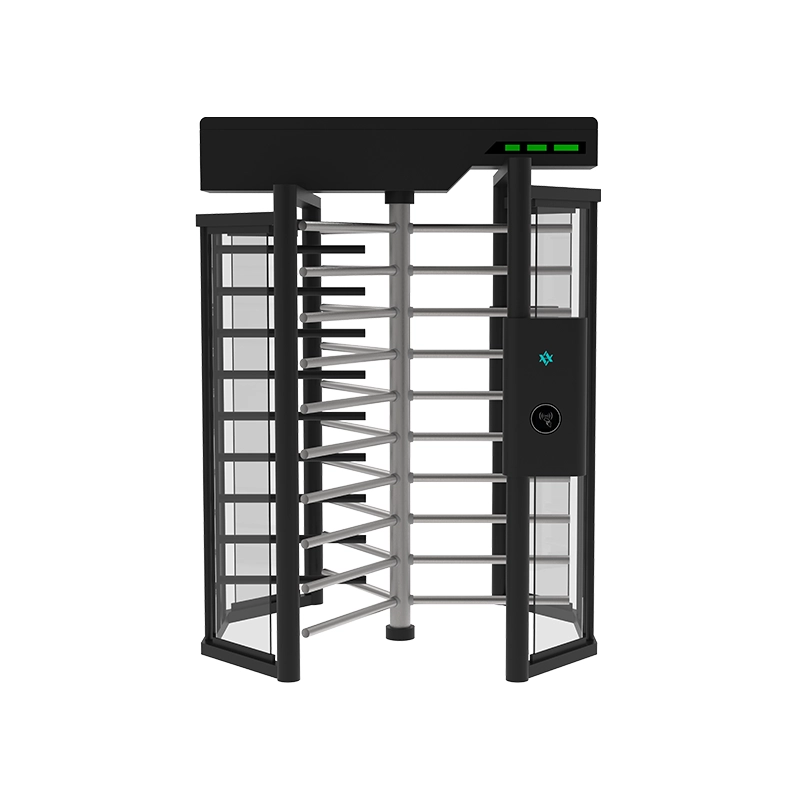
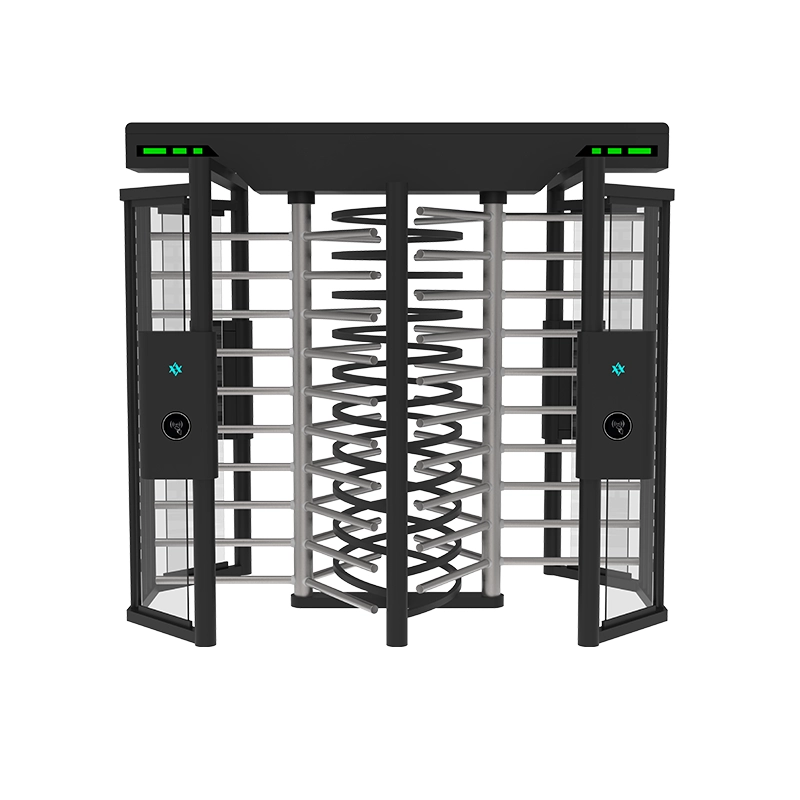
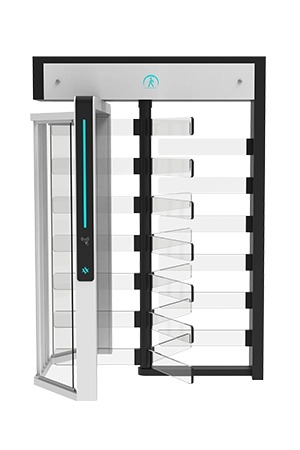
Full-Height Turnstiles
Full-height turnstiles offer the highest level of physical security. They extend from floor to ceiling, creating a complete physical barrier. This design prevents unauthorized climbing or crawling. They are typically deployed in high-security environments like correctional facilities, military installations, and construction site entrances.
My Insights: Exploring the Advantages of Full Height Turnstiles Over Tripod Turnstiles
Looking to improve security and flow control? Discover why full height turnstiles offer substantial benefits over tripod models.
Full height turnstiles provide enhanced security by preventing climbing and tailgating, offering robust construction and better integration with access systems. They support higher throughput and require less maintenance, making them ideal for demanding environments.
Understanding the Superiority of Full Height Turnstiles
Comparative Advantages
| Feature | Full Height Turnstiles | Tripod Turnstiles |
|---|---|---|
| Security Level | Highest physical barrier, prevents climbing | Moderate, susceptible to climbing |
| Flow Control | Supports larger throughput and controlled flow | Manual operation, slower |
| Durability | Robust, requires less frequent maintenance | Standard durability, more wear over time |
| Customization | Offers specific designs for diverse needs | Limited customization options |
Security Enhancements: Full height turnstiles utilize a complete barrier that prevents unauthorized climbing and tailgating, crucial for areas requiring maximum security.
Efficiency and Maintenance: With robust construction, they assure long-lasting durability and reduced maintenance requirements, accommodating high pedestrian throughput effectively.
Integration and Customization: These turnstiles are compatible with advanced access control systems, allowing tailored solutions for unique security and operational needs.
Full height turnstiles exceed tripod models in security and operational efficiency, making them suitable for high-demand environments where strict control and durability are paramount.
Conclusion
Choosing between speed gates and tripod turnstiles depends on specific needs. Speed gates offer superior speed, security, and aesthetic integration. Tripod turnstiles provide a basic and cost-effective solution. Modern facilities often benefit most from the advanced features of speed gates.
](https://aipadaturnstile.com/wp-content/uploads/2025/11/AT107-TC-01.webp)
](https://aipadaturnstile.com/wp-content/uploads/2025/12/vertical-tripod-turnstile.jpg)
](https://aipadaturnstile.com/wp-content/uploads/2025/12/popup-img.jpg)